

in houses of worship across Massachusetts
in qualifying incentives for houses of worship
Of service and support in the Commonwealth
of C02 avoided by MA congregations
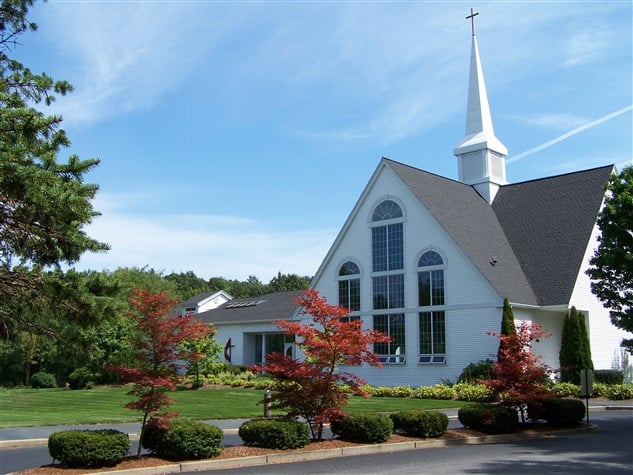
St. Matthew's United Methodist Church improved insulation, sealed leaks, promoted energy-saving behaviors, and added solar lighting, cutting heating costs by 19%, electricity use by 8%, and overall carbon emissions by 22%.
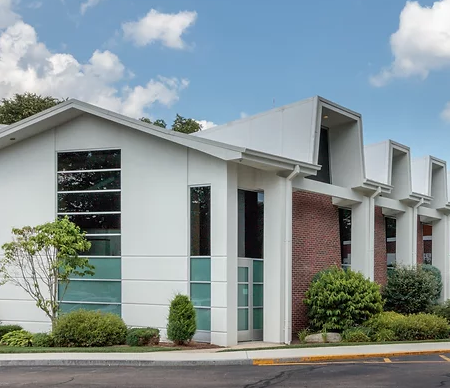
Temple Beth Shalom in Needham has cut its energy use and carbon footprint through major building upgrades, efficient heating and lighting, waste reduction, and active environmental education and engagement within its community.
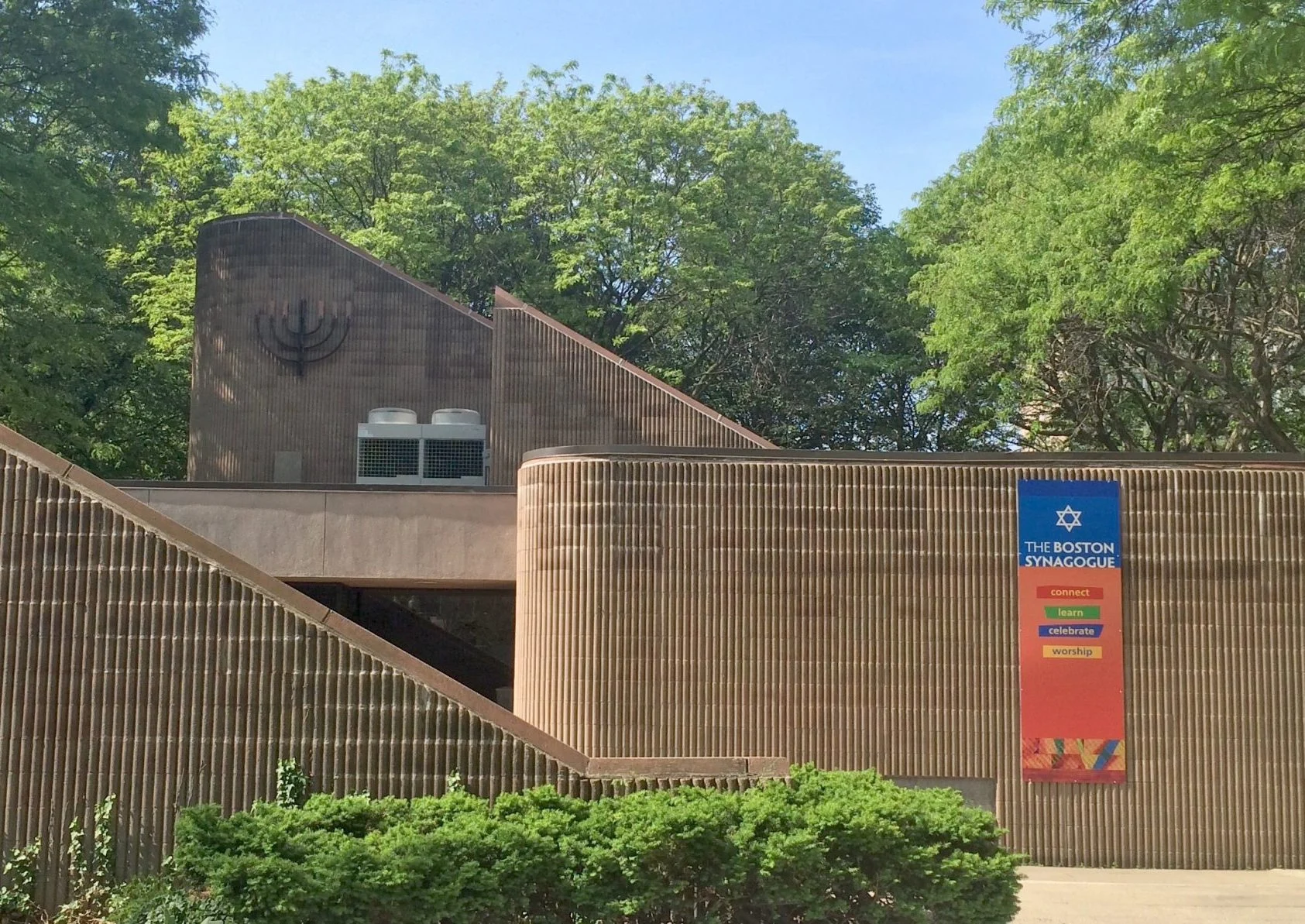
Boston Synagogue dramatically cut its carbon emissions and energy costs by replacing an outdated district steam system with efficient air-source heat pumps and other upgrades, reflecting both practical stewardship and the Jewish principle of tikkun olam.
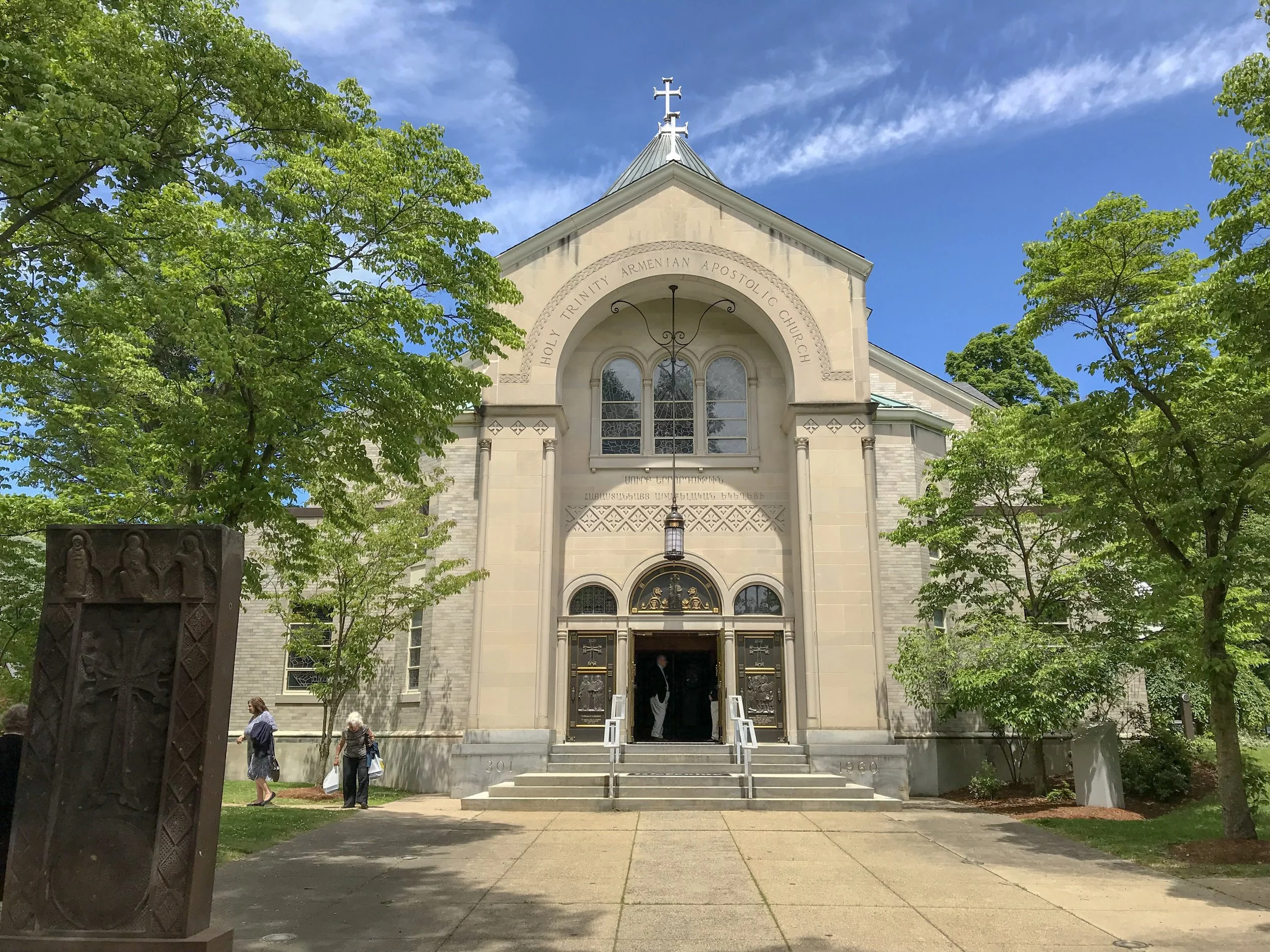
Holy Trinity replaced its failing 1950s radiant heating system with modern high-efficiency boilers, smart zoning, and new in-floor radiant piping, cutting heating costs by 40%, reducing water use, and greatly improving comfort and reliability.
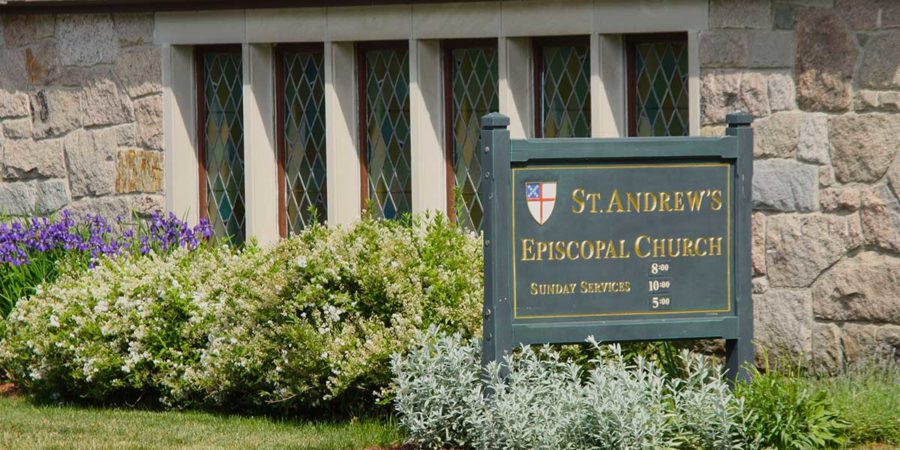
By replacing its old oil-fired steam system with high-efficiency gas boilers, new windows, and smart heating controls, St. Andrew's Episcopal Church in Wellesley cut heating costs by 67% and reduced carbon emissions by 188,000 pounds.
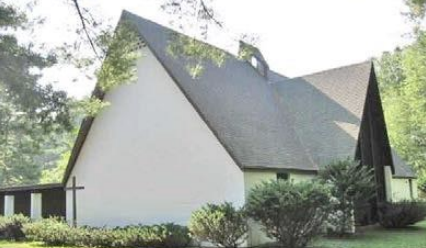
Trinity modernized its aging heating system with high-efficiency boilers, improved controls, and better zoning, resulting in much lower energy costs, a 53% reduction in CO₂ emissions, and improved comfort for building users.

