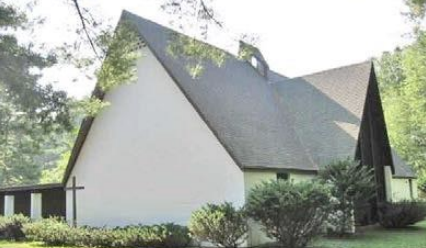


In 2005, the reality of an aging boiler (45± years, oil converted to gas) and an equally old distribution, delivery, and control system began to hit home. The need for improvement was reinforced by the costs of heating. Costs are typically a big problem at houses of worship (HOWs). As an initial step, 44 non-operable windows in the classroom wing were upgraded for significant improvements in thermal performance. Then original pneumatic thermostats were replaced throughout the building, followed by replacement of mixing valves in the boiler room.
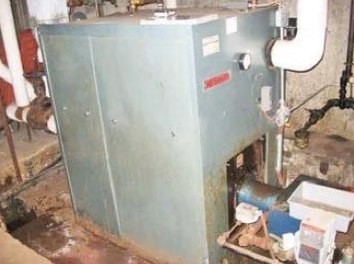
But the rubber didn't hit the road until the “old” boiler failed, and the need for replacement and other system improvements was unavoidable. The old boiler (at left) was replaced with two 95±% efficient gas-fired condensing mode hydronic boilers, shown at right.
New controls and thermostats were installed. Heating zones were increased from 4 to 11. Domestic hot water (DHW) generation was converted to an in-direct fired storage tank using the high efficiency boilers. A computer-based Energy Management System (EMS) was incorporated for precise heating delivery. This system enables monitoring and control from remote locations.
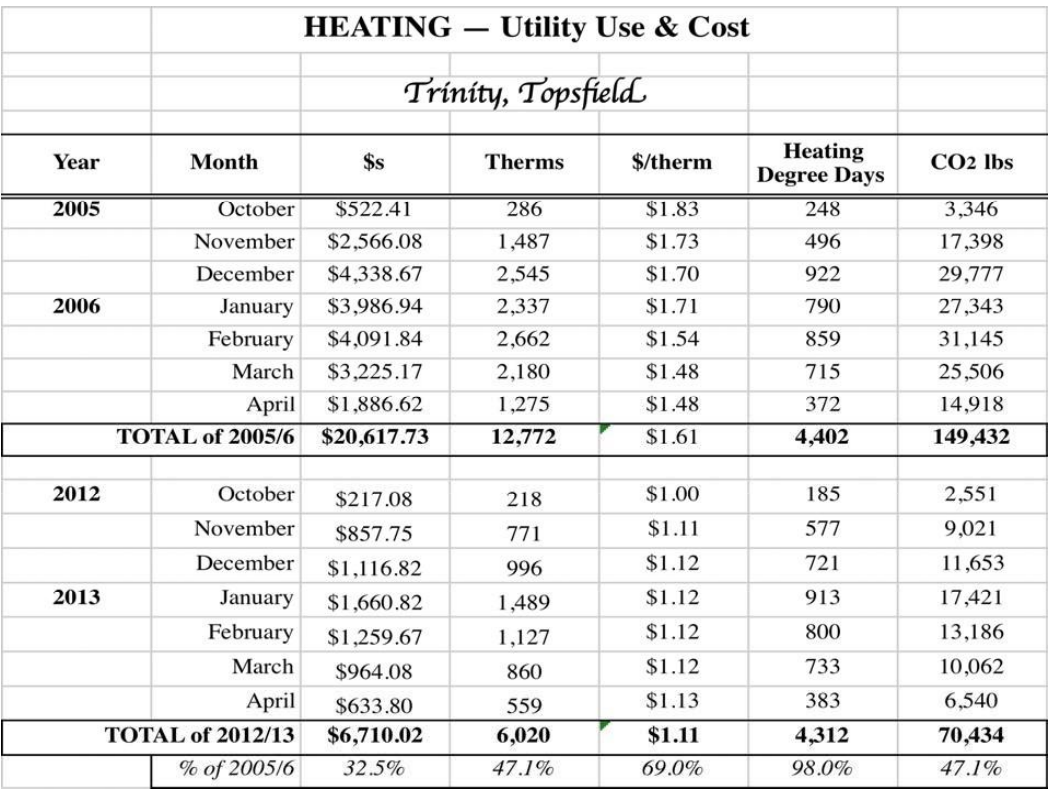
Total 2012/13 heating season gas cost was $6,710 compared to $20,617 in 2005/6 before the new heating system was installed. This is a 67% savings of $13,908, about 1/3 of which was due to lower cost per therm. Importantly, the heating system improvements reduced carbon emissions by about 79,000 lbs of CO2, a reduction of 53%! The two heating seasons had virtually an identical Heating Degree Day total, so the savings (dollars and CO2) reflect the reality of the system upgrade benefits. Importantly, occupant comfort not only showed no diminution, but in fact was better given an improved match of heating and usage patterns.
A key lesson—don't go it alone! Get help from MassIPL, other HOWs, and, for “big” changes such as at Trinity, get a professional team (mechanical engineer, architect) under contract. Having 2 boilers means better efficiency, and the building is heated even if one fails. Get bids on the design package for the new system. Sit down and grill at least 2 bidders. The lessons you will learn and the financial benefits you will achieve will be significant. Keep your professional team involved throughout. Their wisdom and experience are worth every penny. This is especially true for the first year of use. Monitoring during the initial phase of use is really important. Getting valves, control wires, transformers, and other system elements “right” is critical, and happens only in the monitoring of actual use. The remote EMS control enables ready adjustment (on- or off-site) of the day-by-day and week-by-week changes of room use. This keeps users happy and efficiency up. At the local human-interface level, keep it simple. Get simple but “smart” thermostats. Be sure that if the temperature setting is changed by a user, it reverts back to the programmed temperature and pattern. Keep track of the utility use and cost (UU&C) every month. Report UU&C to decision-makers and to everybody in the congregation. As with all we are taught at our house of worship, the lessons can and should be taken and put to practice at home, work, school, everywhere.
With thanks to Bruce Gaboriault of Trinity for his wisdom, observations, and stewardship.
March 2014. Updated January 2022.
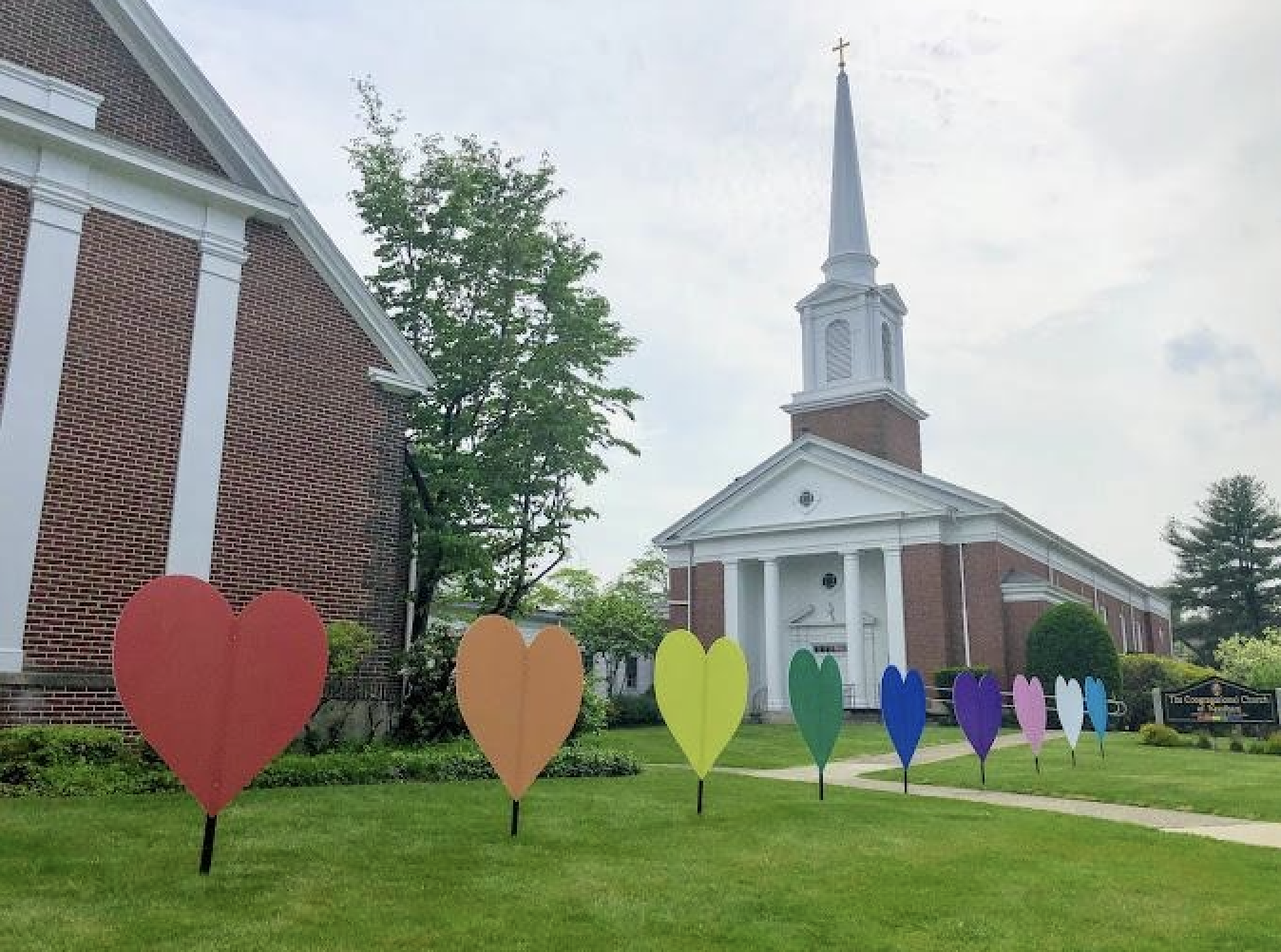
The Congregational Church of Needham cut its carbon footprint by 58%, soon to reach 64% with solar, through insulation, LED upgrades, high-efficiency boilers, and persistent, faith-driven leadership that brought sustainability into every decision.
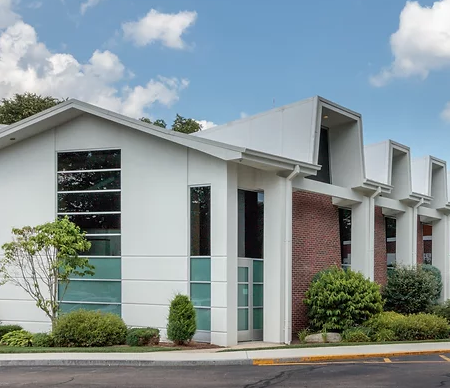
Temple Beth Shalom in Needham has cut its energy use and carbon footprint through major building upgrades, efficient heating and lighting, waste reduction, and active environmental education and engagement within its community.
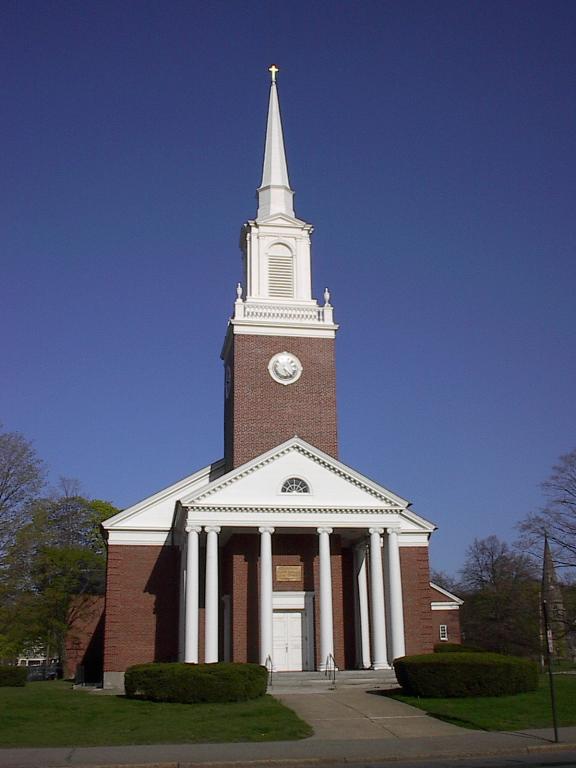
Eliot Church in Newton transformed its historic 1845 building into an ENERGY STAR®–certified, solar-powered, highly efficient facility, cutting energy use and carbon emissions by over 40% while engaging its congregation and community in climate action and advocacy.

