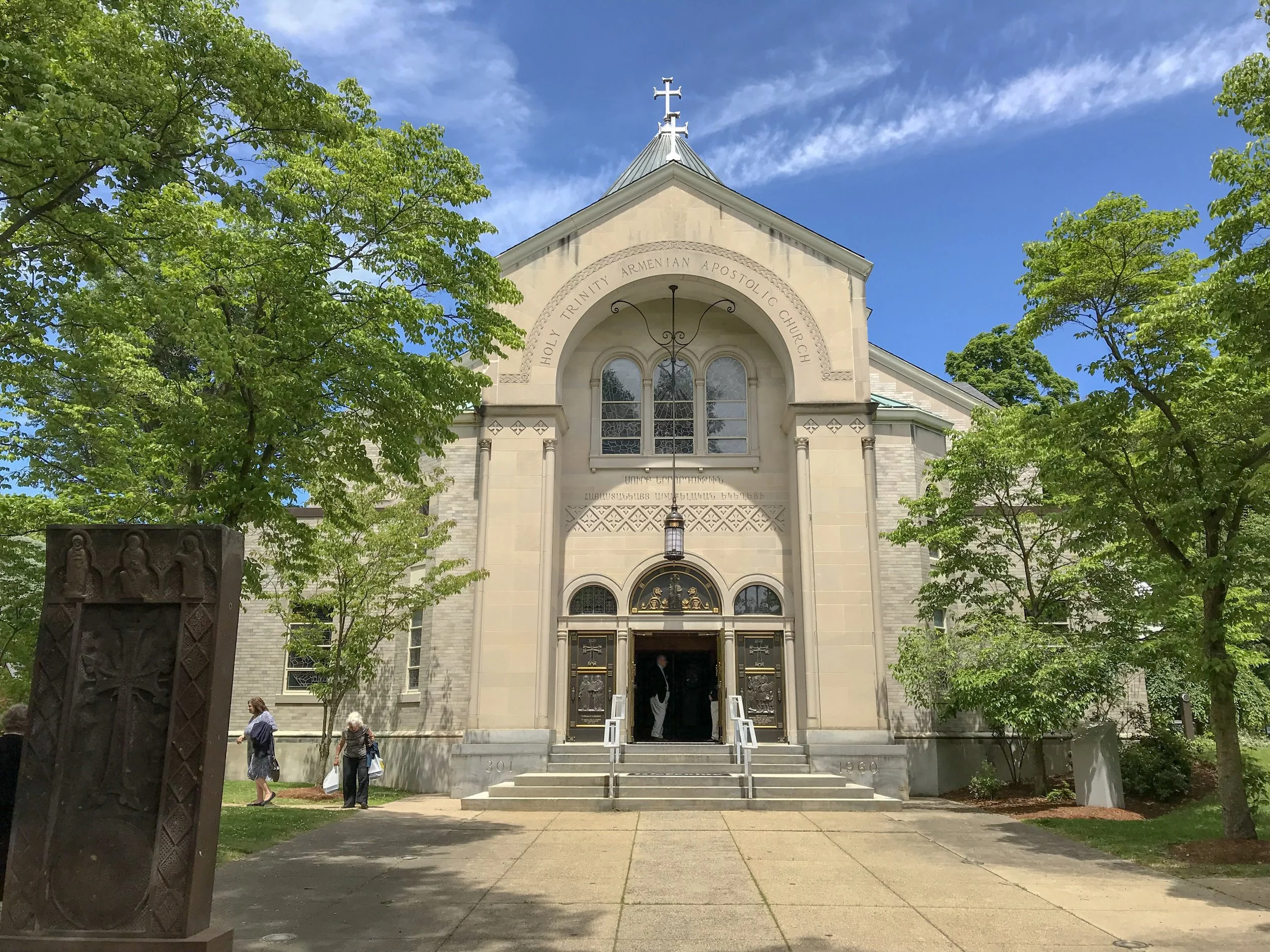


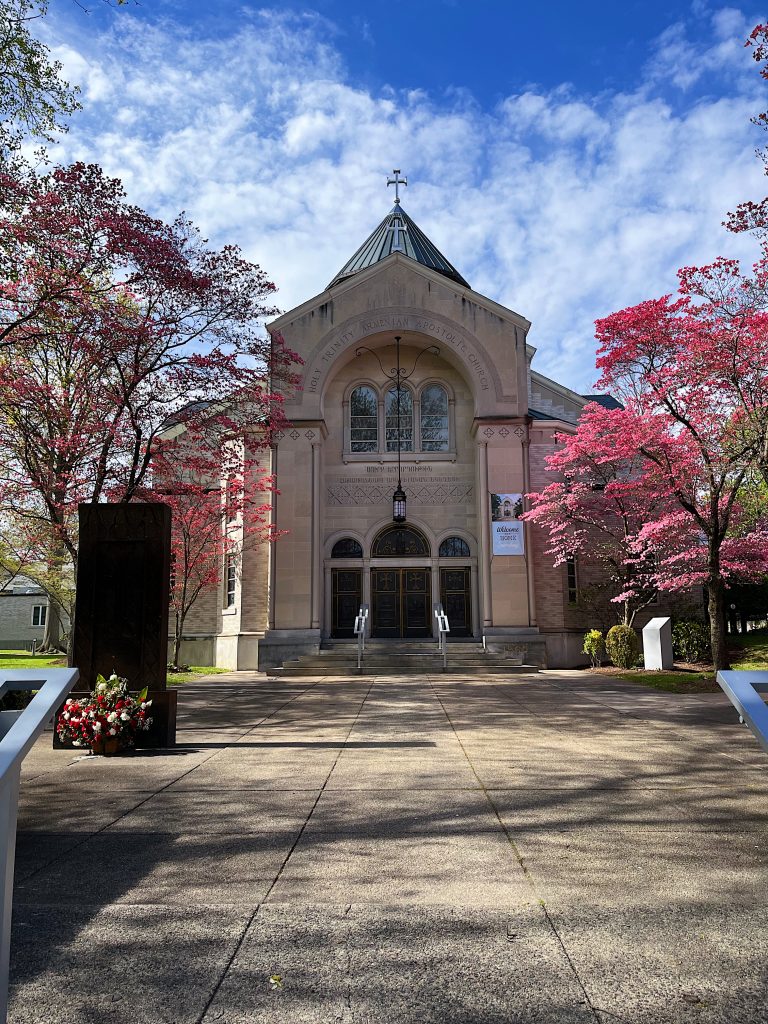
Holy Trinity was an early adopter of in-floor radiant heating. Built in 1959, the structure had in-floor radiant in its sanctuary and the lower-level hall and classrooms. By monitoring its utility use (including water), the congregation realized that water use was going up, with no good explanation. With the help of good forensic engineers, they concluded that there was a leak in the heating system. It was traced to the sanctuary. They found that some of the steel piping used at the time was not encased in concrete, but was exposed to the soil. As a result, the pipes rusted from outside in, and failed.
The congregation decided that it was important to make good decisions about the replacement system, both radiation and generation. With the help of skilled mechanical engineers and congregation members with construction knowledge, it was decided to replace the sanctuary heating with contemporary, more reliable in-floor radiant and to replace the 1959 boiler with the most efficient available equipment.
The sanctuary was cleared, with the placement of pews carefully plotted for replacement without penetrating any new radiation piping. Old concrete was removed. New “plastic” piping was installed with distribution to multiple loops through two manifolds, one for each side of the sanctuary. (Photo at left.) Programmable digital thermostats were installed for each heating zone in the building.
Three high efficiency (93%+) gas-fired condensing mode boilers were installed, with digital controls including one that senses outside temperature. The three boilers permit rotation, extending the life of all boilers and ensuring that the building is never without heat because of boiler failure. The boilers serve several zones, each separately controlled.
The congregation reports about a 40% drop in cost for heating, and a reduction in water use. Importantly, the sanctuary reaches desired temperature in about 90 minutes, and sometimes as little as 30 minutes. Heat is even throughout the space, resulting in happy and warm worshippers.
.png)
FUUSN modernized its historic 1906 building with HVAC upgrades, smart controls, and data-driven planning, cutting energy use and emissions over 20% while aligning its facilities with its mission.
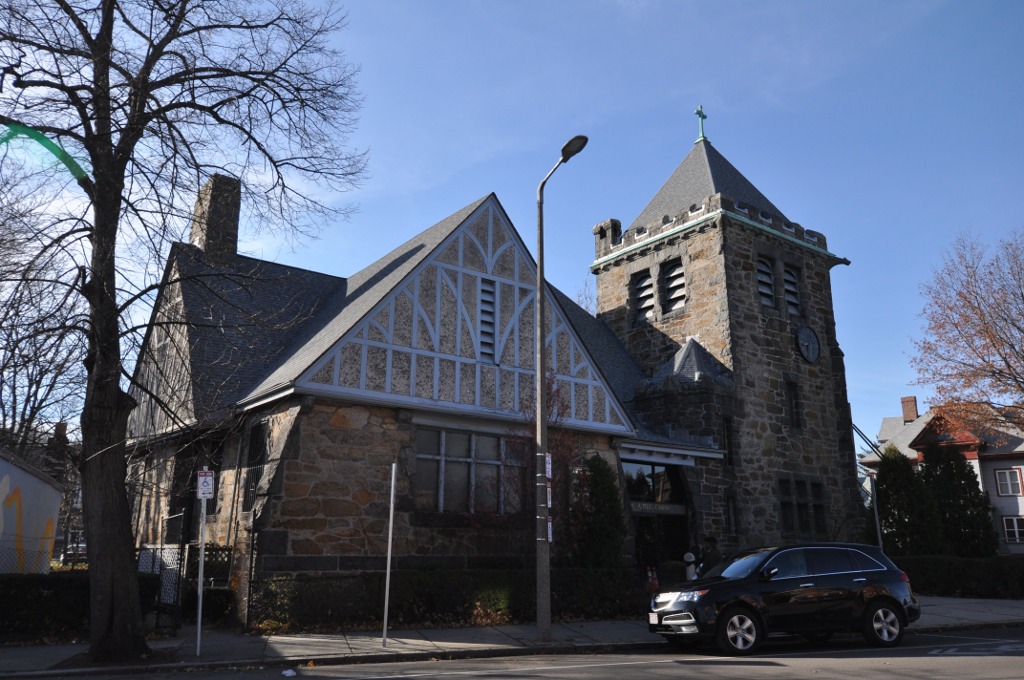
Charles Street AME Church began its environmental journey by improving energy efficiency in its historic building, starting with practical upgrades like insulation, storm windows, efficient lighting, and hot water adjustments to reduce both costs and environmental impact.
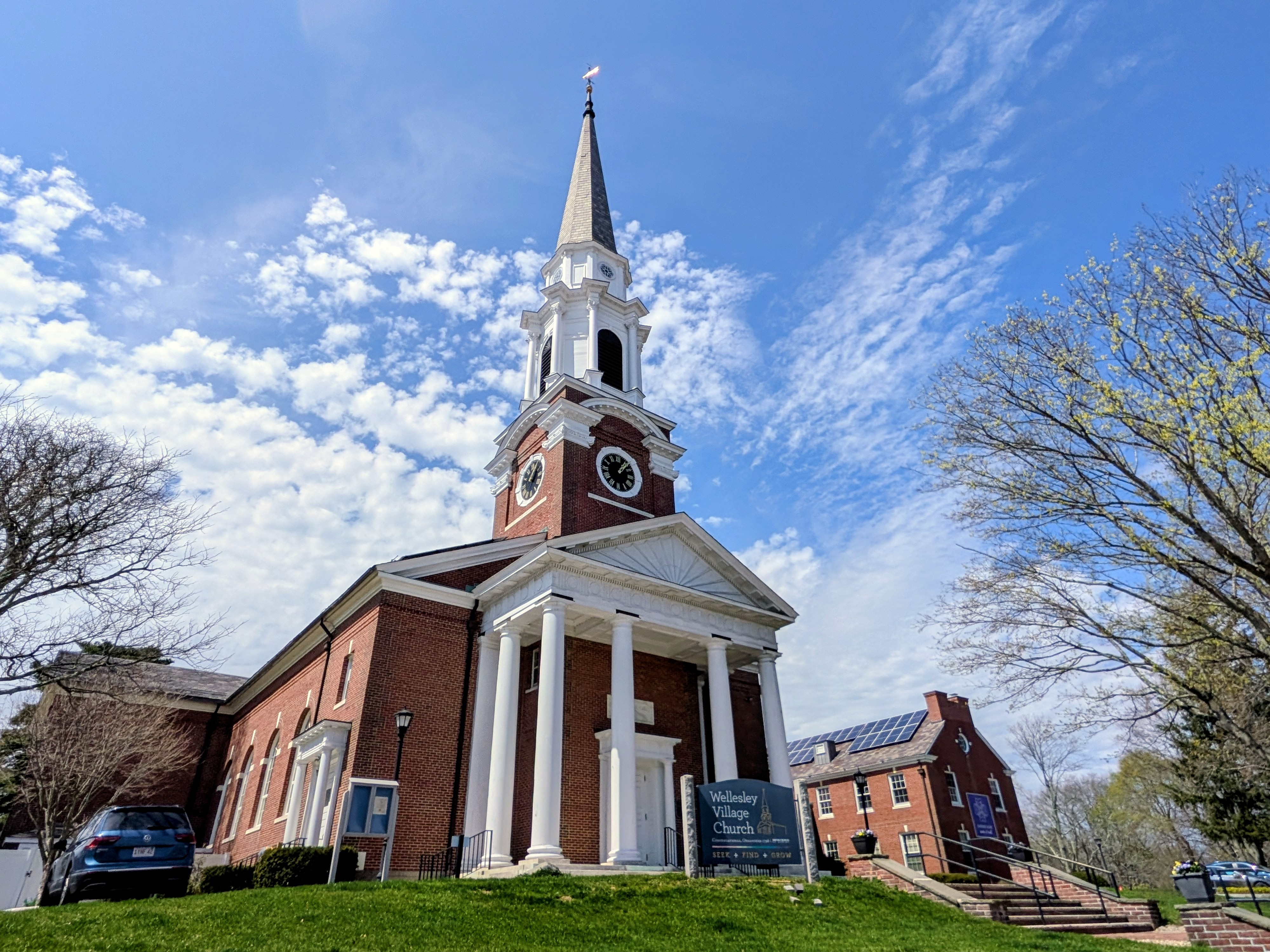
Wellesley Village Church completed a monumental project to meet 100% of its heating and cooling needs with geothermal energy, becoming a leader others across the state and country now look to follow.

