.png)


The First Unitarian Universalist Society in Newton (FUUSN) hosts its congregation in a 31,000 square foot building, originally built in 1906 with four wings enclosing an internal courtyard. In the 1950s, the courtyard was incorporated into the building to create more classrooms, a children's chapel, and a kitchen. Like many buildings of this age, the heating systems pre-dated today's concerns about energy efficiency and climate change.
With rising energy costs, outdated infrastructure, changing usage patterns of the building, and growing interest in sustainability, FUUSN has taken advantage of several renovation projects to incorporate upgrades to its aging HVAC systems.
As is common with old buildings, especially houses of worship, the church had to face a number of challenges and make trade-offs between competing priorities:
One of the keys to success was having awareness of the necessity of replacing obsolete equipment so that when other renovation projects were discussed, HVAC projects could piggyback on the existing construction at lower cost than if they had been separate projects. Fortunately, the church also has a strong property committee team and reliable contractors to provide suggestions and guidance.
When Bob Persons first got involved in the early 1990s, the building had two massive, 60+ year-old steam boilers originally designed for coal and later converted to oil. The system was outdated, inefficient, and operated in silos—four separate heating zones, each with its own thermostat that could be tampered with by anyone passing by. The courtyard building had two gas-fired furnaces serving three zones, dating to the original 1950s construction. These seven heating zones had minimal coordination and required ongoing manual adjustments, resulting in high energy loss. Bob began to bring order by crafting a system using temperature sensors, a PC, and a simple computer interface using Visual Basic to provide deep setbacks for unoccupied zones.
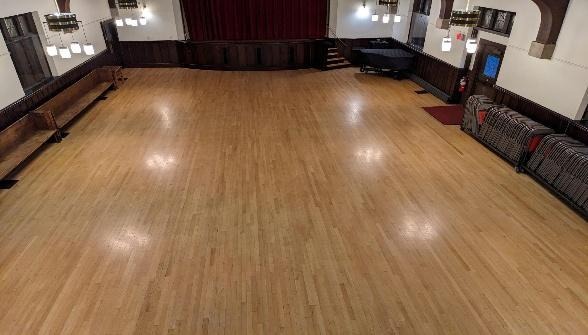
The first major improvement came in 2000 when the parish hall was renovated. Since the parish hall floorboards needed to be replaced, the church also installed under-floor radiant heating. Two new small, gas-fired boilers took the load of the south and west wings off the steam boiler, while simultaneously increasing the number of zones from 7 to 13. This enabled heating only one or two rooms as needed instead of entire wings.
In the 2010s, a capital campaign made it possible to tackle the biggest challenge: replacing the steam system and furnaces entirely. FUUSN installed four gas-fired boilers and added A/C compressors, expanding to 19 fully managed zones.
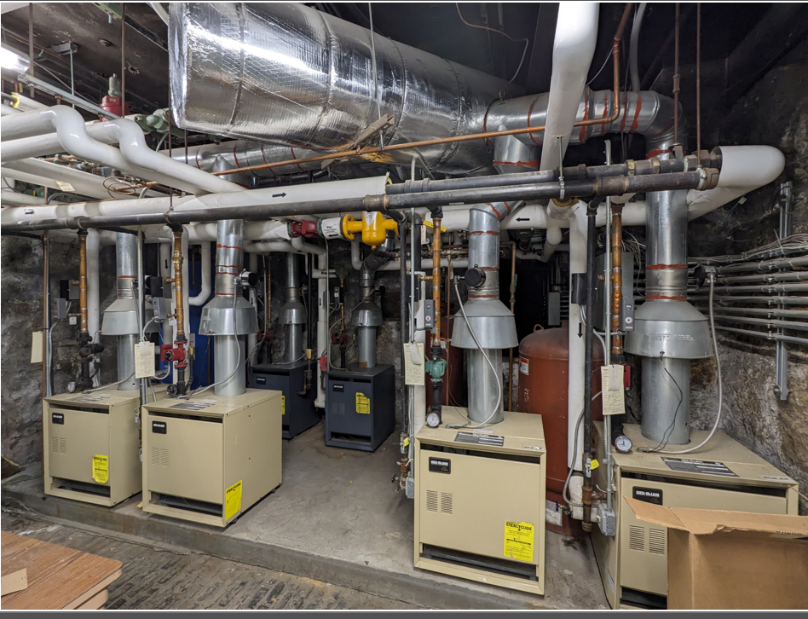
Instead of continuing to use the original steam radiators and ducts, the church opted for a type of system known as “hydro-air”—essentially boilers paired with an air handler that receives the hot water from the boiler, passes it through a heat exchanger, then blows the warm air into the room through high-velocity ducts. These units could be tucked into spaces like stairways. To provide cooling, air conditioning condensers were installed, and cooling coils in the hydro-air units distributed the cool air.

To avoid the expense, disruption, and unsightliness of installing typical sheet metal ducts, the church went with a high-velocity duct system from Unico in many areas. The smaller-size ducts and registers allow them to be installed more easily and tucked away inconspicuously.
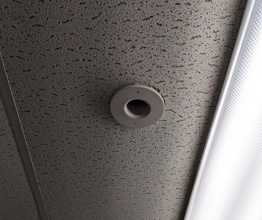
Along with this, FUUSN installed a new thermostat system to replace the home-grown system. Bob's research led to Lightstat, a smart scheduling solution with temperature sensors in rooms, thermostats in the basement, and a web-based interface allowing for temperature adjustments from a computer or smartphone. The system enabled better control of scheduling when rooms were heated and cooled and prevented wasted energy when someone forgot to set back the thermostat after leaving.
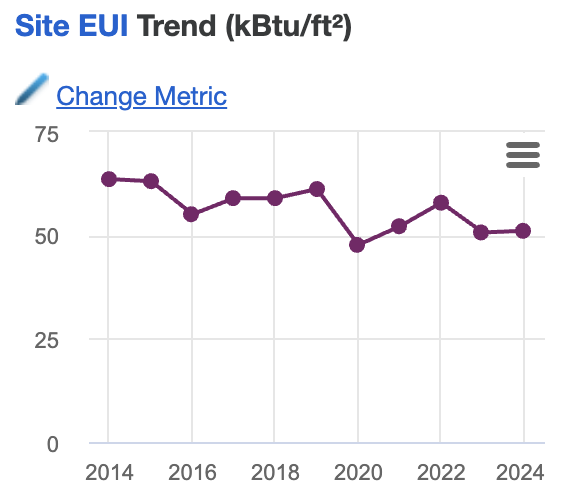
Since 2013, FUUSN has used the EPA's Portfolio Manager to track electric and gas usage, with data going back to 2009. This helped the team evaluate improvements and set realistic goals.
In 2013, FUUSN's Energy Use Intensity (EUI) was 62. Today, it's around 50. Gas and electricity bills show measurable decreases, especially during winter peaks.
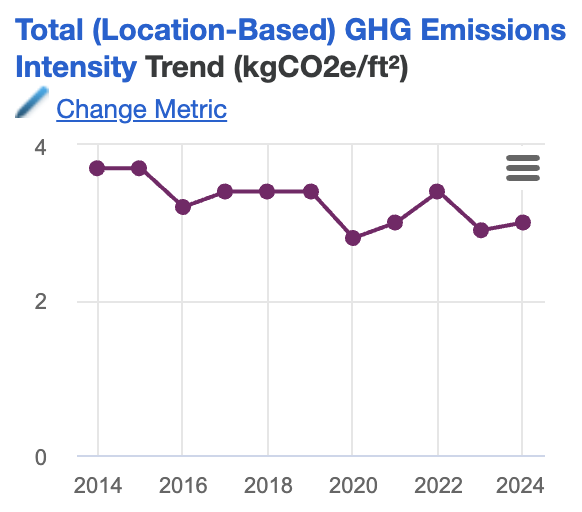
In addition, FUUSN monitors its greenhouse gas (GHG) emissions intensity — a metric critical for climate accountability and Newton's local Building Emissions Reduction and Disclosure Ordinance (BERDO) policy. As shown in the chart below, emissions per square foot have declined over 20%, from nearly 3.8 kgCO₂e/ft² in 2014 to around 3.0 in 2024. This trend shows that FUUSN is already ahead of the 2030 BERDO threshold.
This evolution continues, modernizing the building, making it more comfortable, and improving its appeal to potential tenants whose rental fees help support the church's mission.
As the team looked ahead, new possibilities emerged:
All future decisions are being evaluated based on both sustainability and usability, keeping FUUSN welcoming, rentable, and aligned with its values.
FUUSN's Green HVAC journey is a testament to what can happen when committed volunteers, smart data, and a mission-driven team come together.
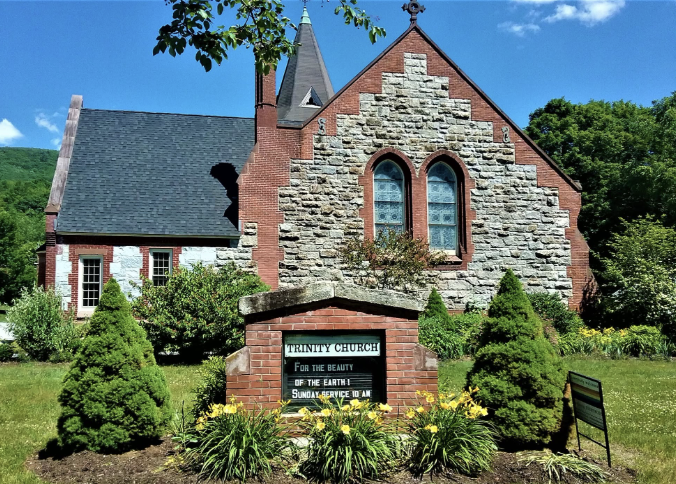
In flood-prone Shelburne Falls, Trinity Church is turning its building into a climate resilience hub, adding solar, weatherization, heat pumps, EV chargers, and a commercial generator so it can shelter, power, and feed neighbors when disaster strikes.
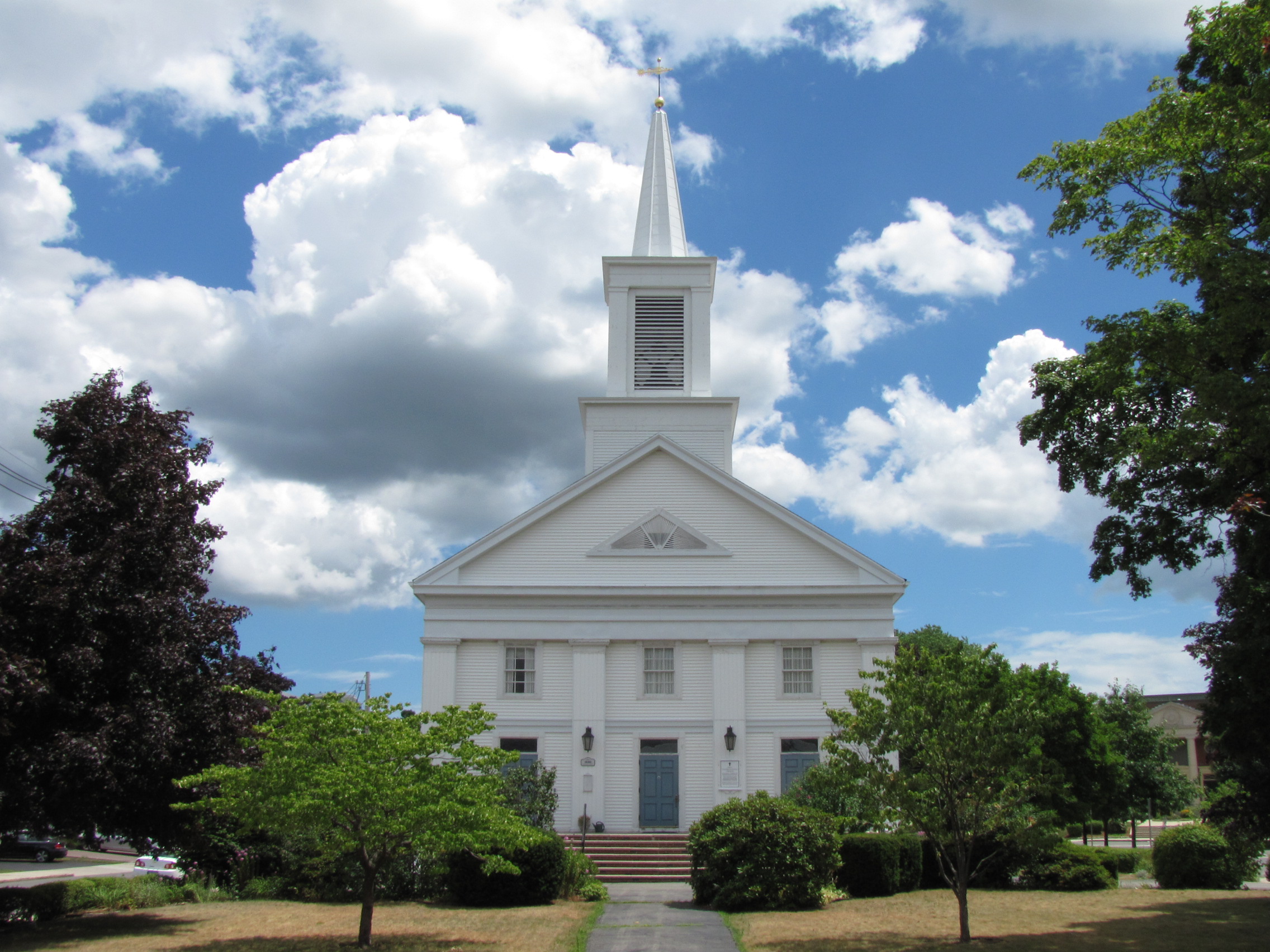
A historic 1840 church that became a catalyst for its community, cutting carbon emissions by more than 62 metric tons and energy costs by over $25,000 a year through boiler conversion, LED lighting, new windows, heat pumps, and rooftop solar.
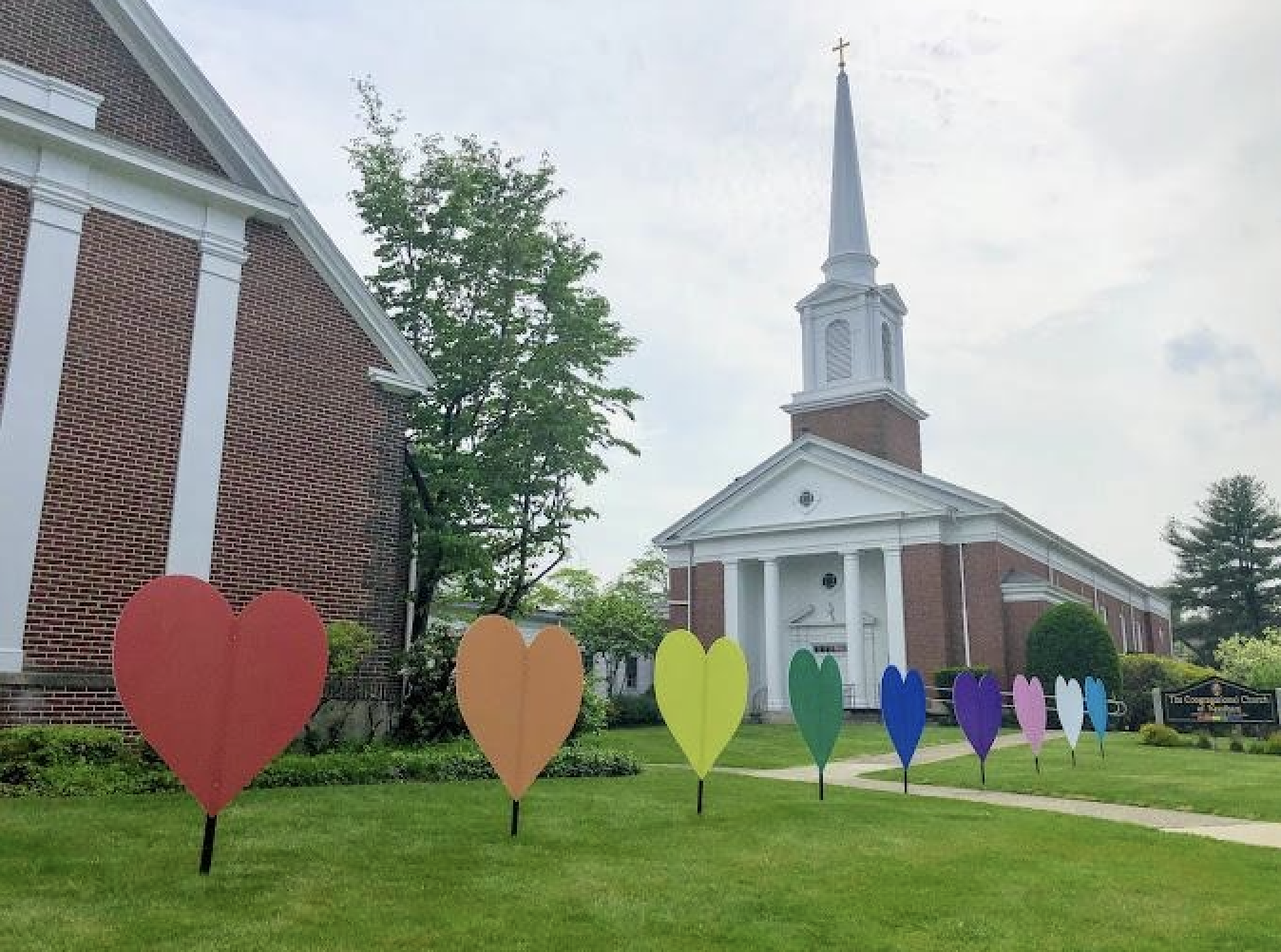
The Congregational Church of Needham cut its carbon footprint by 58%, soon to reach 64% with solar, through insulation, LED upgrades, high-efficiency boilers, and persistent, faith-driven leadership that brought sustainability into every decision.

