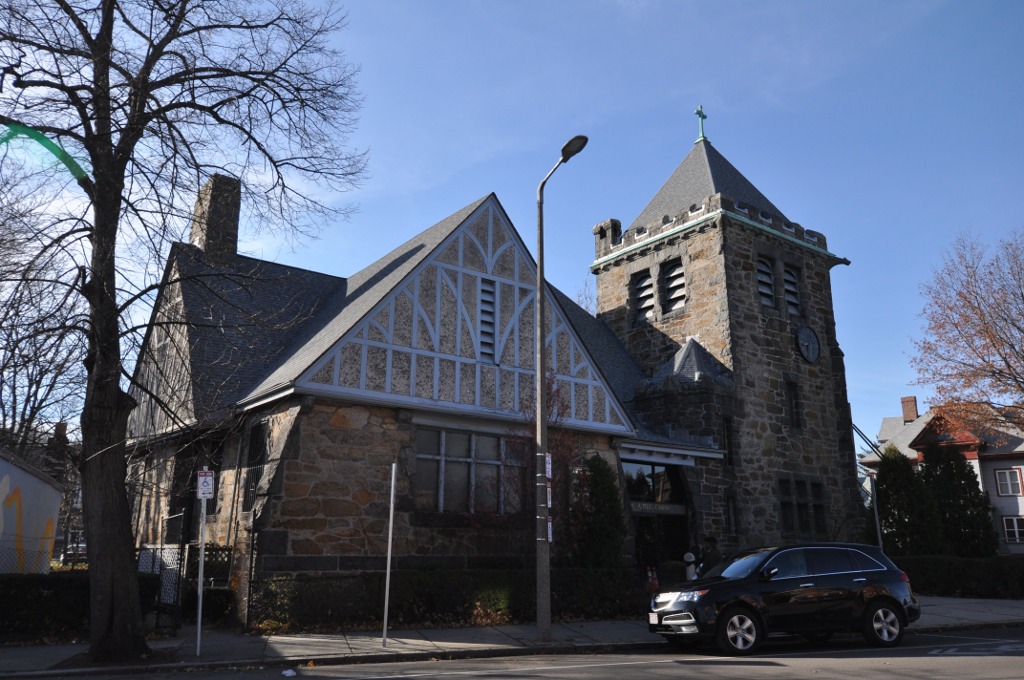


The congregation of Charles Street AME Church is old and significant to African Americans in Boston. After the Civil War, the Black population of Boston purchased the Charles Street Meeting House in 1876 in Beacon Hill. The AME congregation remained there until 1939, when it relocated to the building at Elm Hill Avenue and Warren Street in Roxbury. The congregation also owns and uses a large house directly across the street. The building provides space for offices, programs, and an apartment for a pastor.
As with most old houses of worship and associated buildings, these buildings are energy hogs. The congregation concluded that continuing to spend money on inefficient heat, hot water, and electricity-using systems was not sensible. Doing so not only meant that funds were not available for important programs of the congregation, it also meant that the impact of the inefficiency (“carbon footprint”) was contributing to a degradation of the environment. A degraded environment means an unhealthy world. Caring for the world is a faith journey, one that has many roads including the practical actions of environmental stewardship.
Knowing that it would take continuing hard work, the congregation determined that such an effort needed to have a first step. It was decided that improving the thermal performance (“tightening up”) of the Elm Hill Avenue building was the place to start. Help was obtained from MassIPL and from Next Step Living (NSL), a Boston-based company that works with home owners to save money on energy bills, keep homes comfortable, conserve energy, and help the environment. Congregation members, MassIPL, and NSL evaluated the actions needed, then put together a plan for initial beneficial actions. It was also important to do things that could involve members (especially younger members) who would then learn the “what” and “how” for their own homes.
The first step was a day-long barn-raising work day on December 5, 2009. The actions included reducing ways for cold air to come into the building by (1) installing interior “storm” windows, (2) insulating the basement door, (3) lowering the use and cost of electricity by installing Compact Fluorescent Lights (CFLs), and (4) lowering water use and making the hot water temperature “just right” to lower the cost of gas to heat the water. The MassIPL Everyday Environmental Stewardship Briefs on (1) Interior Storm Windows, (2) Thermostats, and (3) CFLs are good summaries to consult.
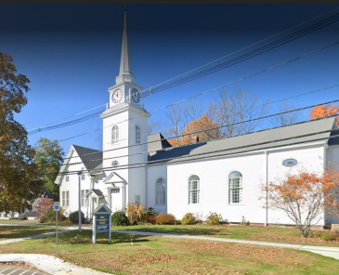
When a condemned boiler left First Congregational Church scrambling through one cold winter, the congregation turned the crisis into a decision: a high-efficiency heat pump system that moves the historic 1860 church off fossil fuels and toward a low-carbon future.
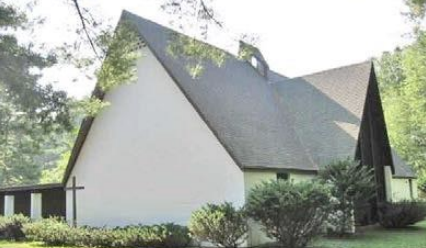
Trinity modernized its aging heating system with high-efficiency boilers, improved controls, and better zoning, resulting in much lower energy costs, a 53% reduction in CO₂ emissions, and improved comfort for building users.
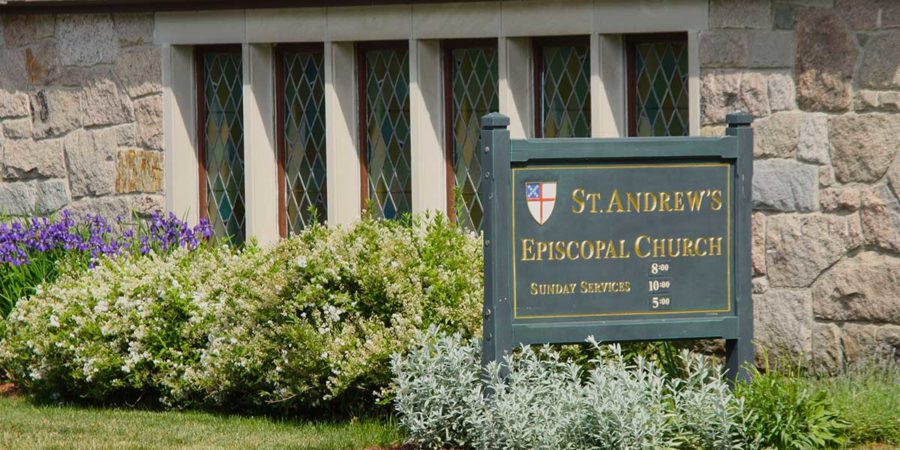
By replacing its old oil-fired steam system with high-efficiency gas boilers, new windows, and smart heating controls, St. Andrew's Episcopal Church in Wellesley cut heating costs by 67% and reduced carbon emissions by 188,000 pounds.

