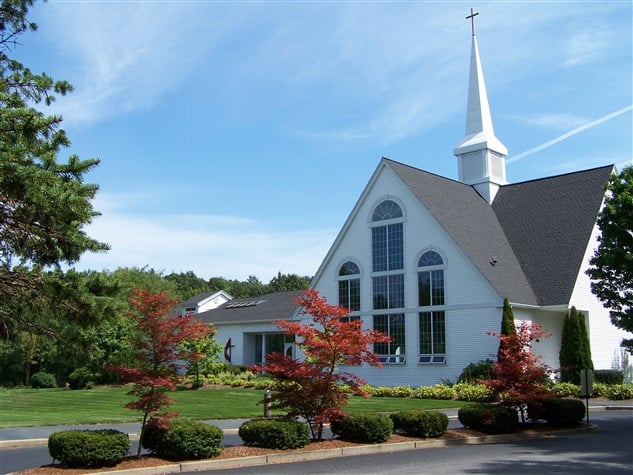


Founded in 1950, the original wood frame church building was comprised of a combination sanctuary/fellowship hall, a 2-story education wing, and a kitchen with offices and library on the ground floor. In 2000, a new sanctuary was added, increasing the size of the facility by 40%. A new gas-fired hydronic boiler system was added for the addition alongside the original steam boiler, also gas-fired. The net results of all the improvements? St. Matthew's has reduced their carbon dioxide emissions by 22%. Comparing Fall/Winter '13–'14 to Fall/Winter '14–'15 heating costs, St. Matthew's cut annual heating costs by 19%, a reduction from $10,672 to $8,667. Further conservation efforts resulted in an 8% reduction in electricity demand.
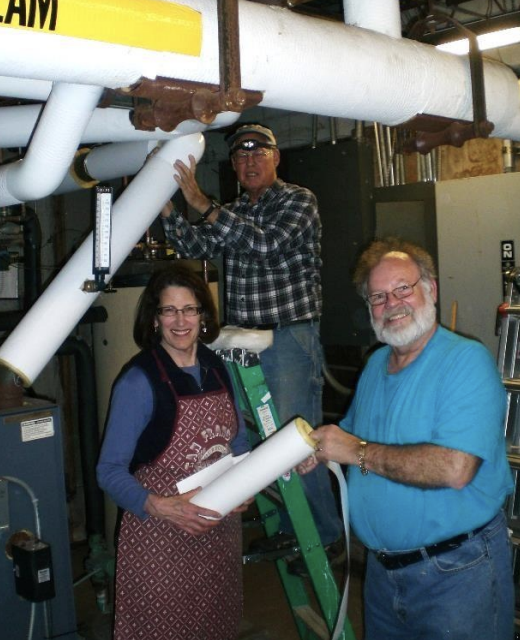



Boston Synagogue dramatically cut its carbon emissions and energy costs by replacing an outdated district steam system with efficient air-source heat pumps and other upgrades, reflecting both practical stewardship and the Jewish principle of tikkun olam.

Eliot Church in Newton transformed its historic 1845 building into an ENERGY STAR®–certified, solar-powered, highly efficient facility, cutting energy use and carbon emissions by over 40% while engaging its congregation and community in climate action and advocacy.
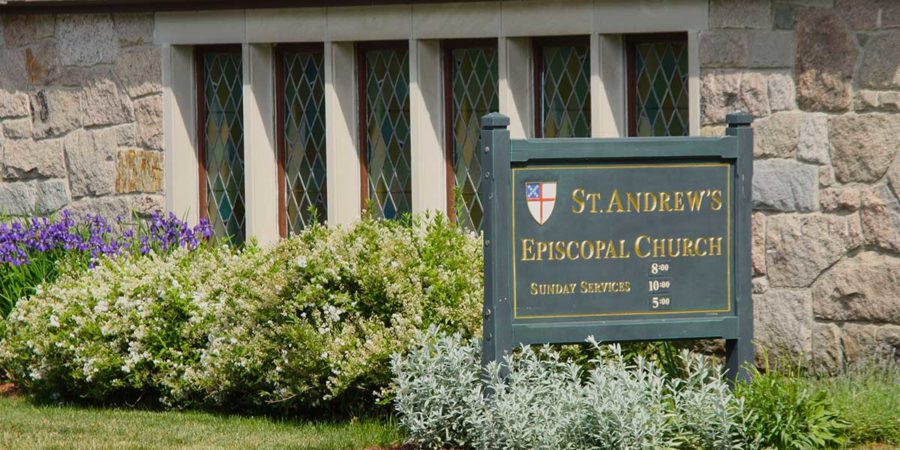
By replacing its old oil-fired steam system with high-efficiency gas boilers, new windows, and smart heating controls, St. Andrew's Episcopal Church in Wellesley cut heating costs by 67% and reduced carbon emissions by 188,000 pounds.

