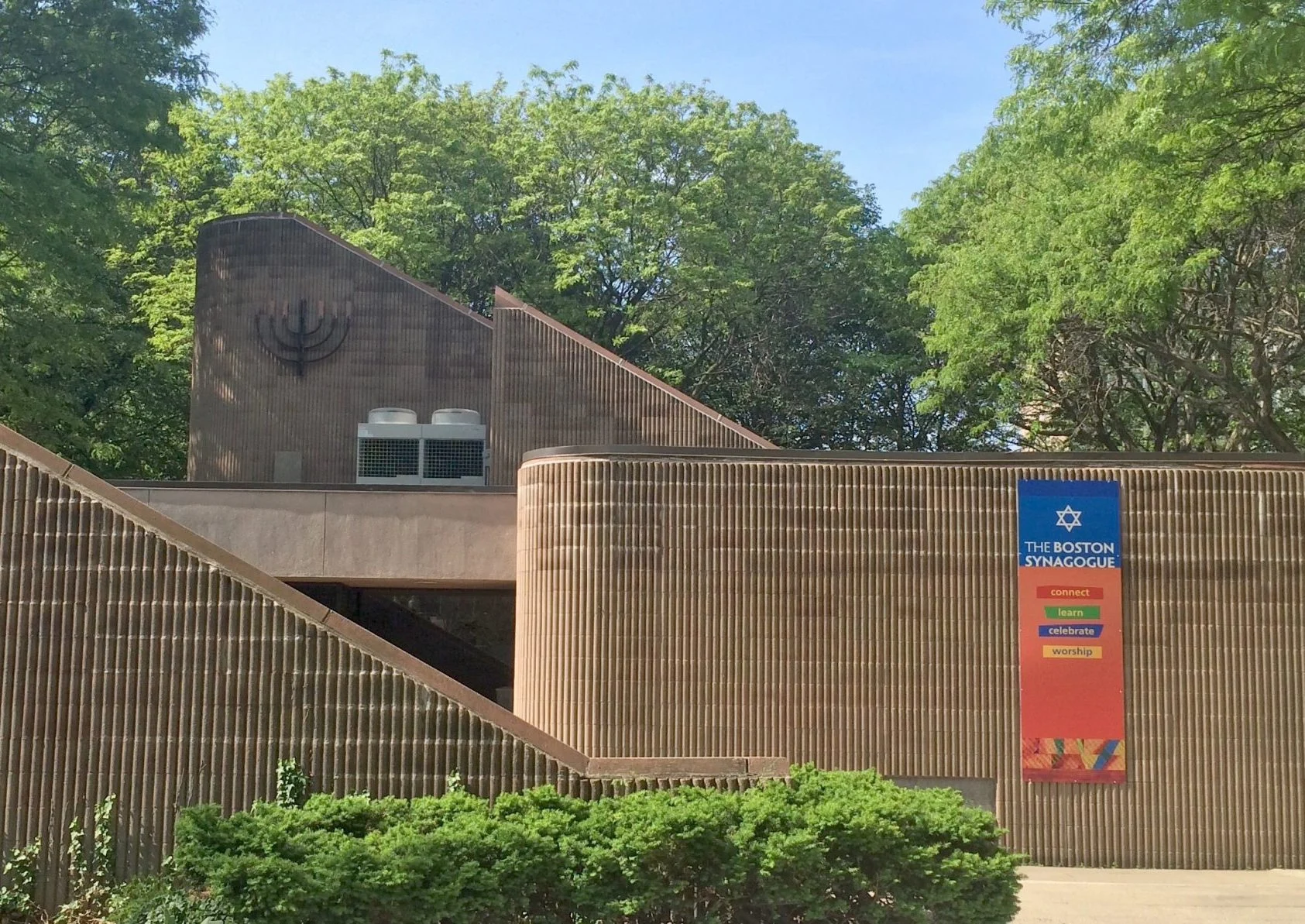


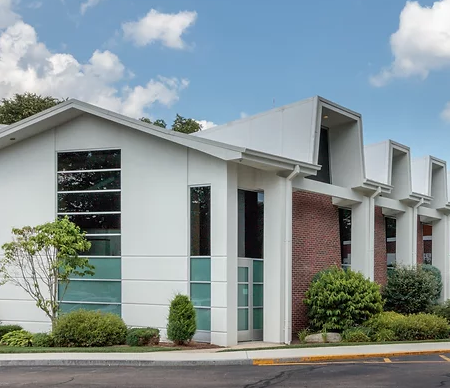
In the early 1900s, the West End of Boston was home to a diverse community of immigrant groups. During the “urban renewal” of the 1960s, much of this community was demolished, including numerous houses of worship in the area. One of these old synagogues, Congregation Beth Hamidrash Hagodol Beth Jacob, was able to secure a tract of land in the development area and reconstituted itself as the Charles River Park (now The Boston) Synagogue.
Several years ago, Boston Synagogue's increasing awareness of environmental and energy issues such as climate change — as well as increasing utility costs — led them to consider what they could do to reduce their carbon footprint and energy consumption. The basic problem was that the synagogue was a beautiful early 1970s building with minimal insulation and a highly inefficient heating and cooling plant. MA Interfaith Power & Light made an initial evaluation of the situation and made recommendations.
The results of the energy improvements made are dramatic. During 2009, Boston Synagogue reduced its carbon emissions by 70%, from over 200,000 lbs of CO2 to just over 80,000 lbs. Annual energy costs decreased by 57% during this period, to about $6,800 compared to about $15,750. Annual repair and maintenance bills also dropped significantly. As a result, the estimated payback time on their capital investment is approximately 5 years.
One of Boston Synagogue's major challenges was that its HVAC system was becoming increasingly costly and unreliable. The existing system, which was original to the building, relied on generating steam in a coal-burning power station in Boston, piping the steam across the city, using the steam to heat air in the synagogue's basement, and forcing the heated air through ducts in the building until the sanctuary started to warm up. This sort of “purchase steam” method for heating is highly inefficient (including significant line losses from plant to user) and expensive. Moreover, the system required several hours to heat the space once it was turned on. Replacing the existing system with a building-based steam generation system would not have improved its overall efficiency and would have required extensive — and costly — demolition work.
After reviewing several alternatives, the synagogue selected an air-source heat pump system with a variable inverter-driven compressor that only works as hard as needed, and which generates hot/cold air in the sanctuary space within minutes of turn-on. These heat pumps can transfer four to five times as much heat between the exterior and interior of the building as compared with the equivalent electrical energy input.
Mitsubishi Electric PKFY series units were installed. A 15-ton compressor unit was specified. In the first phase (summer 2008), four 2.5-ton air handlers were installed in the large open sanctuary space. The experience with this unit was so satisfactory that during summer 2009, two additional 2.5-ton air handlers were installed in the rear of the social hall connected to the sanctuary. The full system operation, using balanced air flows and programmable thermostats, has met all heating and cooling needs, so that no district steam needed to be used during the 2009/10 heating season.
Boston Synagogue implemented other energy savings measures, including installing additional roof insulation during a roof replacement program, replacing incandescent floodlights that were on 24/7 with CFLs, and replacing an original-equipment food storage refrigerator with an Energy Star® model. Though all of these measures have contributed to this remarkable energy use reduction, the major savings resulted from the new HVAC system.
In addition to cost savings, the Boston Synagogue's energy efficiency program actualizes the principle of tikkun olam, or “repairing/perfecting the world,” in Jewish ethics. When connections have been broken between human individuals, human society, and the larger natural systems of which we are all a part and on which we all depend, it is our obligation to repair those connections. The Synagogue's efforts to reduce its energy and environmental footprint are grounded in this basic ethical principle.
During this process, Boston Synagogue has communicated actively with its membership and the wider community. A summary of the actions taken and the results achieved appears on its website at bostonsynagogue.org/green.html. The themes of environmental preservation and tikkun olam have been frequently discussed during religious services, particularly on Tu b'Shevat (the 15th day of the month of Shevat), which recognizes the renewal of the natural world following the winter season.
March 2011. Updated January 2022.
.png)
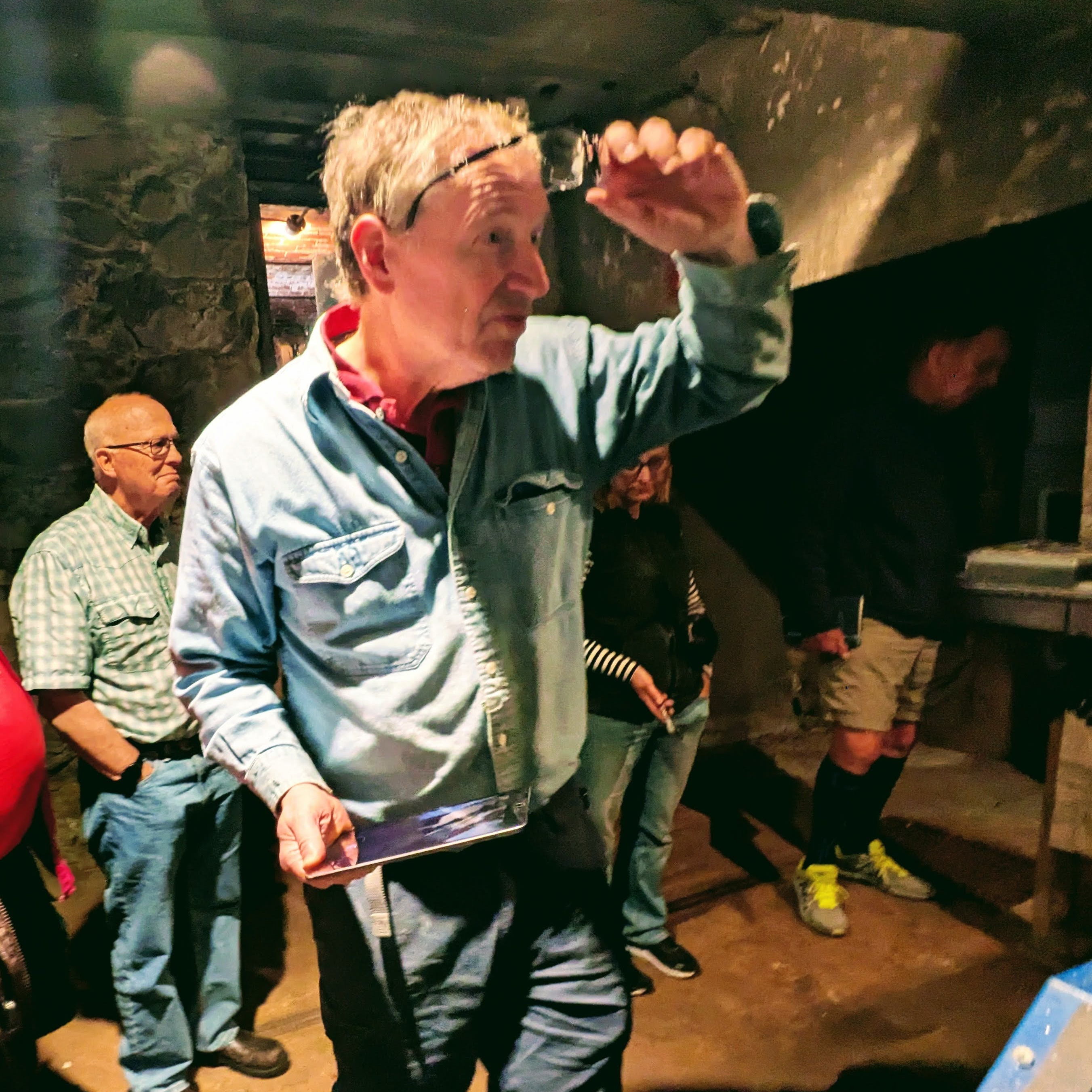
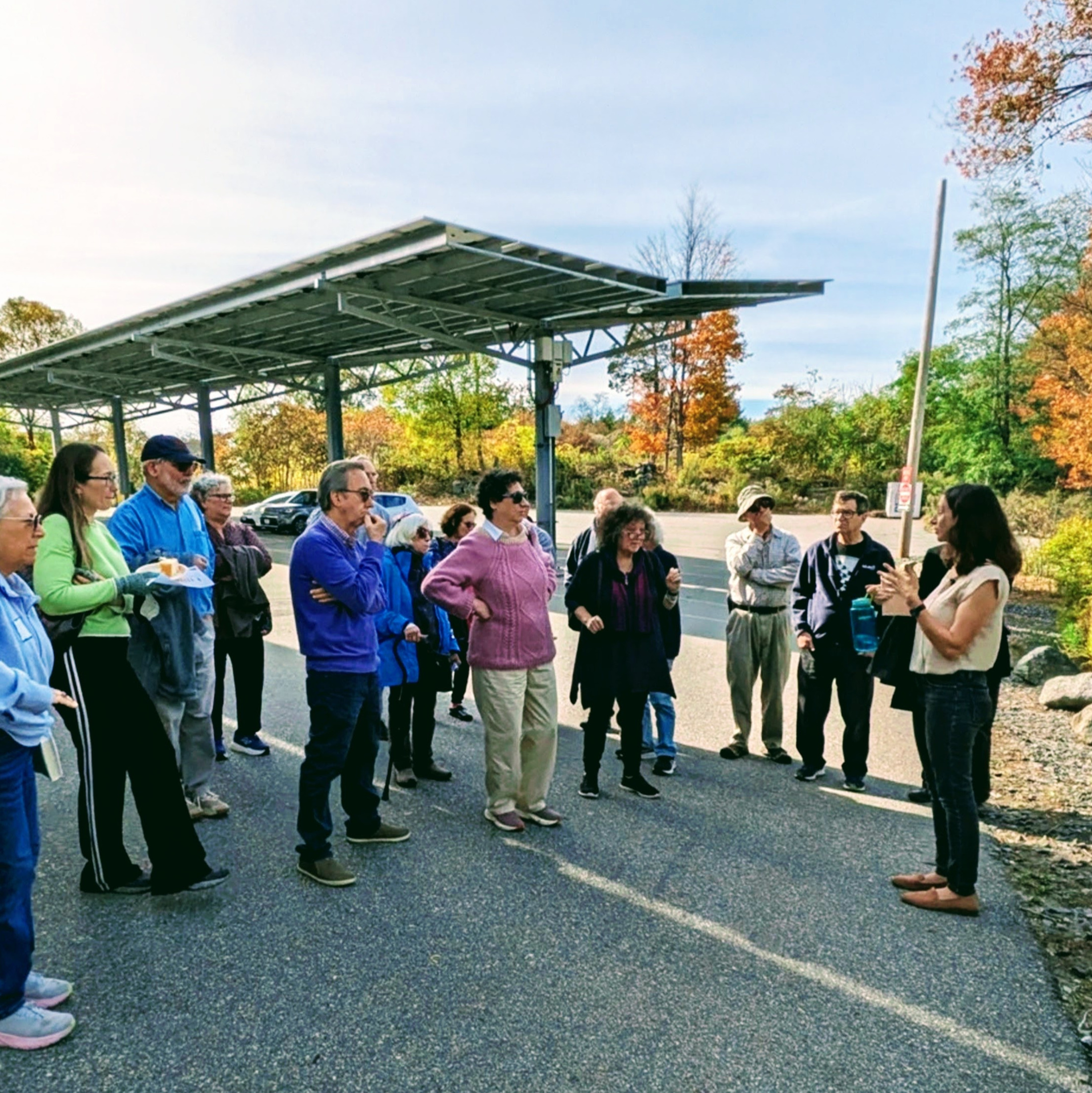
FUUSN modernized its historic 1906 building with HVAC upgrades, smart controls, and data-driven planning, cutting energy use and emissions over 20% while aligning its facilities with its mission.
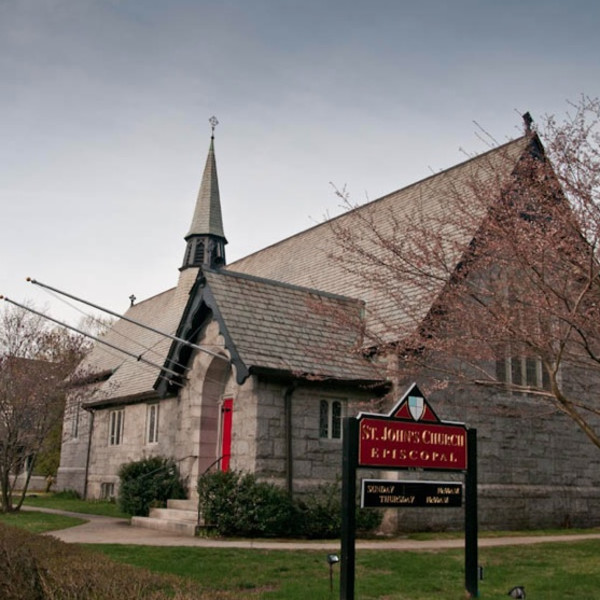
St. John's Episcopal Church in Newtonville turned a heating crisis into climate leadership. Through upgrades and careful planning, St. John's cut carbon emissions 58% since 2012 while preserving its historic building and improving year-round comfort.
Temple Beth Shalom in Needham has cut its energy use and carbon footprint through major building upgrades, efficient heating and lighting, waste reduction, and active environmental education and engagement within its community.

