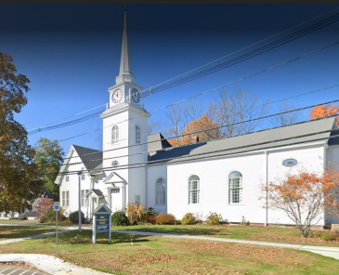


First Congregational Church (FCC) of West Brookfield, built in 1860, is a historic clapboard building and a cornerstone of community life. Like many older churches, it faced a familiar challenge: keeping an aging building comfortable and affordable while living out its call to care for creation. In 2023, FCC partnered with Massachusetts Interfaith Power & Light (MassIPL) to complete an Environmental Stewardship Assessment (ESA) — a process that gave the congregation the tools to understand its energy use, weigh its options, and plan for a sustainable future.
In the fall of 2021, the church’s old steam boiler failed inspection and the town inspector ordered it removed. With winter approaching, the congregation relied on a basement oil furnace and a temporary duct system — built by member Wally Hall — to push just enough warmth into the sanctuary to get through the season. The stopgap kept the building usable, but it underscored the need for a real solution.
The congregation charged its Moderator, Dee Blanton, with leading an investigation into a new system. The goal was a system that would meet the church’s needs for the next 10 to 15 years, prove reliable, stay affordable to both install and operate, and be maintainable with readily available outside expertise. Several members pitched in, recommending contractors, gathering past energy and cost data, and evaluating proposals.
FCC began by investigating seven options from four HVAC contractors — new boilers, a switch to gas furnaces, and conversion to heat pumps. Costs, equipment counts, and capacities varied so widely that comparisons were difficult, leaving the congregation unsure of the best path forward.
In the spring of 2023, FCC invited MassIPL to conduct an ESA to inform the decision. MassIPL found the church was already relatively energy efficient: blown-in wall insulation had been added years earlier, the congregation managed its thermostats attentively, and lighting had been upgraded to LEDs. The assessment identified further opportunities, but it was clear the heating system would have the greatest impact on future energy use.
Beyond the four standard ESA factors — behavior, electricity, building envelope, and heating and hot water — MassIPL reviewed all of the HVAC proposals to help the congregation understand the differences. The reason the bids varied so widely became clear: none included a heat load analysis, a calculation of how much heat the system must provide given the building’s size, insulation, and typical winter temperatures. This calculation follows a standard industry protocol and is essential for sizing a system properly.
MassIPL recommended bringing in an additional contractor, Modern Energy, to provide that calculation and a fresh proposal. Recognizing that the church had three-phase electrical service, Modern Energy proposed a solution the others had not: a variable refrigerant flow (VRF) heat pump system offering efficient, zoned heating and cooling that qualified for enhanced Mass Save rebates.
Dee compiled the key data from the proposals into a presentation for the congregation, opening a conversation that unfolded over the following months. One key finding: after Mass Save rebates, the heat pump systems cost less than the fossil fuel alternatives. The tradeoff was uncertainty — relying fully on heat pumps could raise heating costs depending on the future prices of gas, oil, and electricity, an unknowable variable. Maintaining a fossil fuel backup for the coldest days would have hedged that risk, but the church did not have the budget to install two systems and had to choose one.
In July 2023, FCC chose Modern Energy’s VRF heat pump proposal. It was not the lowest-cost bid, but it won on the merits: Fujitsu is a recognized leader in heat pump technology, VRF equipment offers some of the highest available efficiency, and rebates would cover roughly 60% of the system’s cost. The equipment was installed in November 2023, providing comfort through the majority of that heating season. The choice marked a decisive shift away from fossil fuels, aligning the congregation’s call to creation care with Massachusetts’ own climate roadmap.
The road was not without its complications. The multiple, inconsistent HVAC proposals created real confusion early on. Rebates for heat pump equipment turned out to be generous — especially for VRF systems. Along the way, the church discovered it qualified for a lower commercial electricity rate rather than the residential rate it had been paying for years. Electric rates climbed nearly 15% in late 2023, but in 2025 new winter heat pump rates reduced the cost per kilowatt-hour by 15 to 20%.
Do the math. Always require a heat load analysis when comparing heating system proposals.
Efficiency first. Insulation, lighting, and attention to how and when a building is heated all lower demand and prepare a congregation for electrification.
Avoid fossil fuel lock-in. Heat pumps deliver both comfort and alignment with climate goals.
Engage the congregation. Volunteers’ knowledge and commitment — like Wally’s emergency ductwork — can bridge the gap until a permanent solution is in place.
FCC now has a VRF heat pump system providing both heating and cooling, with improved comfort and zoning that reduces wasted energy. The project significantly cut the church’s fossil fuel use, with a 2022 baseline of 18 tons of carbon emissions against which to measure future progress — and it laid the groundwork for further savings through solar, appliance upgrades, and continued efficiency measures.
Alongside the heating system, the ESA pointed to a number of next steps: weatherstripping and insulation upgrades, especially at the rim joists and attic; LED replacements for the remaining fluorescent fixtures; programmable thermostats in place of manual ones; and new Energy Star refrigerators and freezers for the Sharing Cupboard food pantry, which alone draws nearly 20% of the church’s electricity.
FCC continues to monitor its energy use and is exploring replacing those aging pantry appliances, expanding insulation and air sealing, and adding solar panels to the sanctuary roof — an array capable of generating roughly 16,500 kWh a year. By embracing heat pumps and planning for solar, FCC West Brookfield is showing its community how even a small congregation can turn a crisis into an opportunity and help lead the way toward a sustainable future.
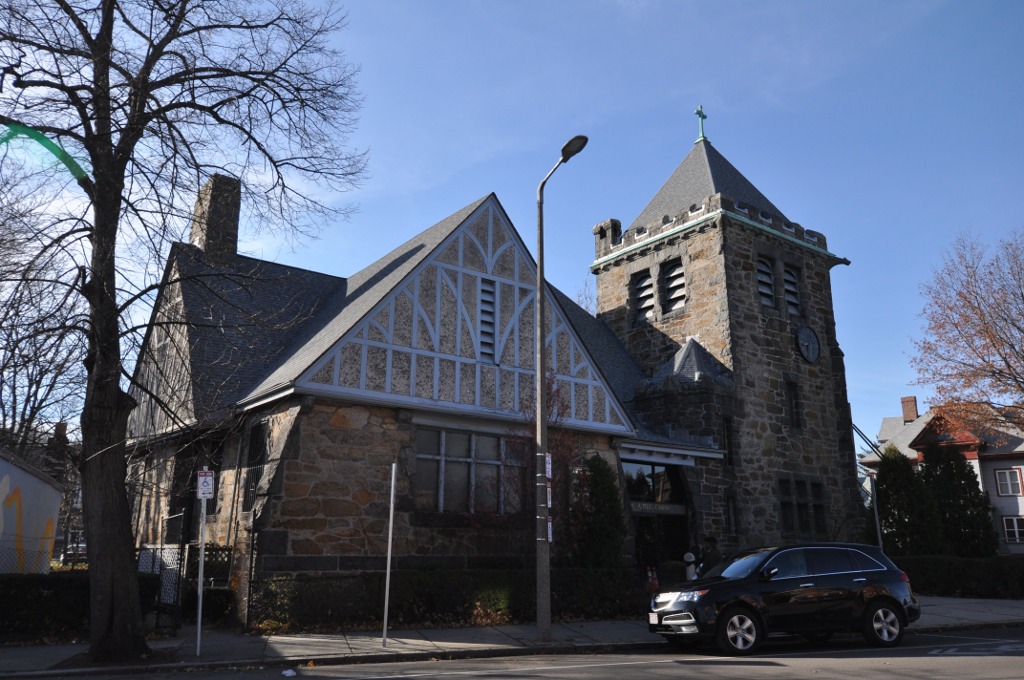
Charles Street AME Church began its environmental journey by improving energy efficiency in its historic building, starting with practical upgrades like insulation, storm windows, efficient lighting, and hot water adjustments to reduce both costs and environmental impact.
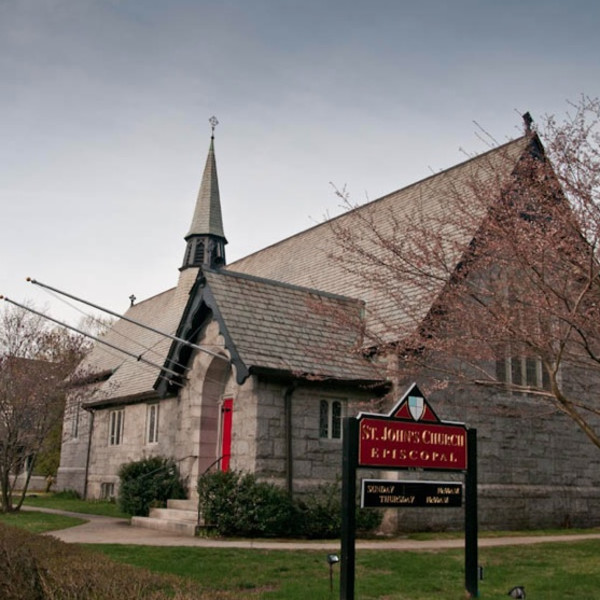
St. John's Episcopal Church in Newtonville turned a heating crisis into climate leadership. Through upgrades and careful planning, St. John's cut carbon emissions 58% since 2012 while preserving its historic building and improving year-round comfort.
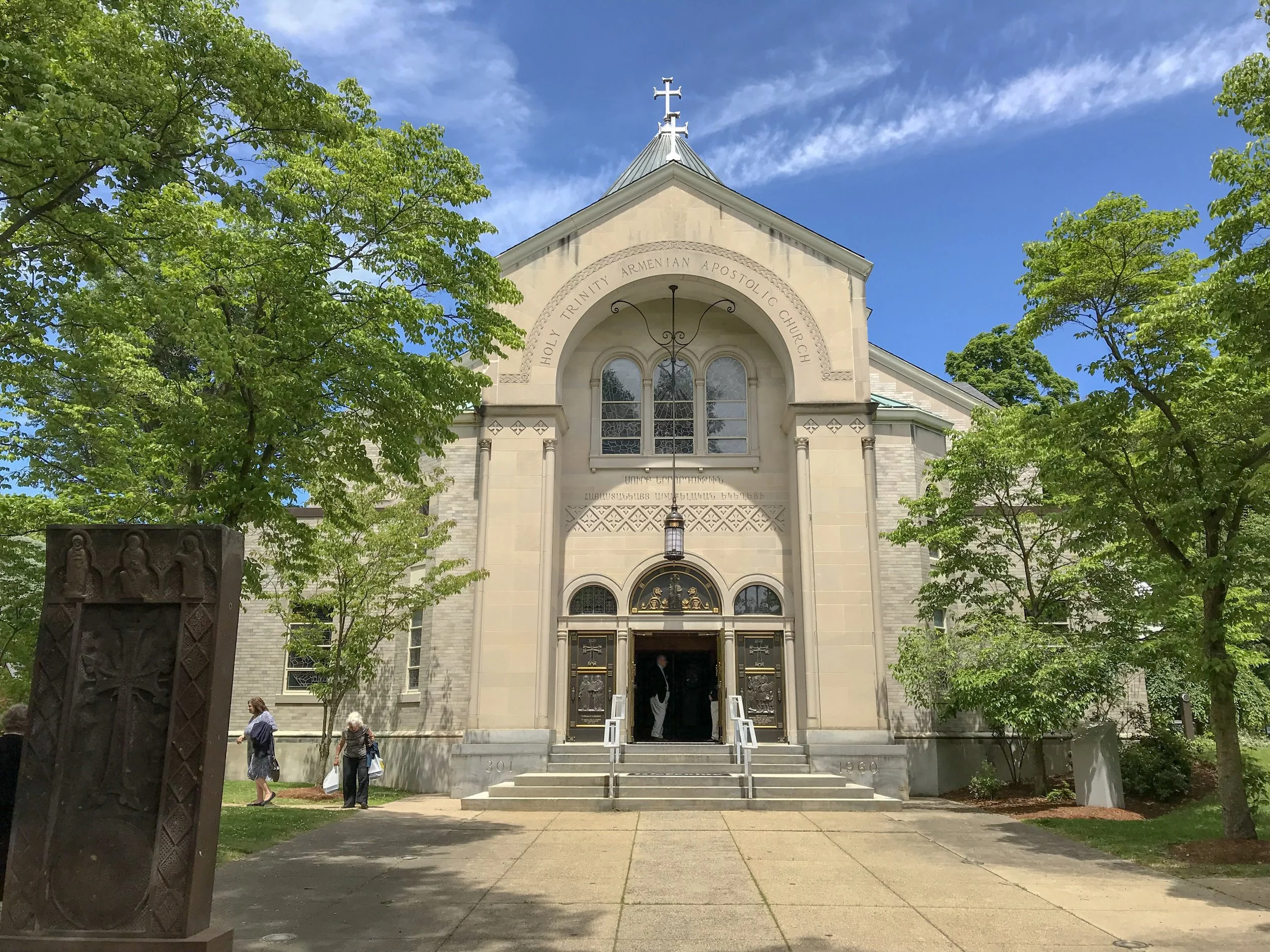
Holy Trinity replaced its failing 1950s radiant heating system with modern high-efficiency boilers, smart zoning, and new in-floor radiant piping, cutting heating costs by 40%, reducing water use, and greatly improving comfort and reliability.

