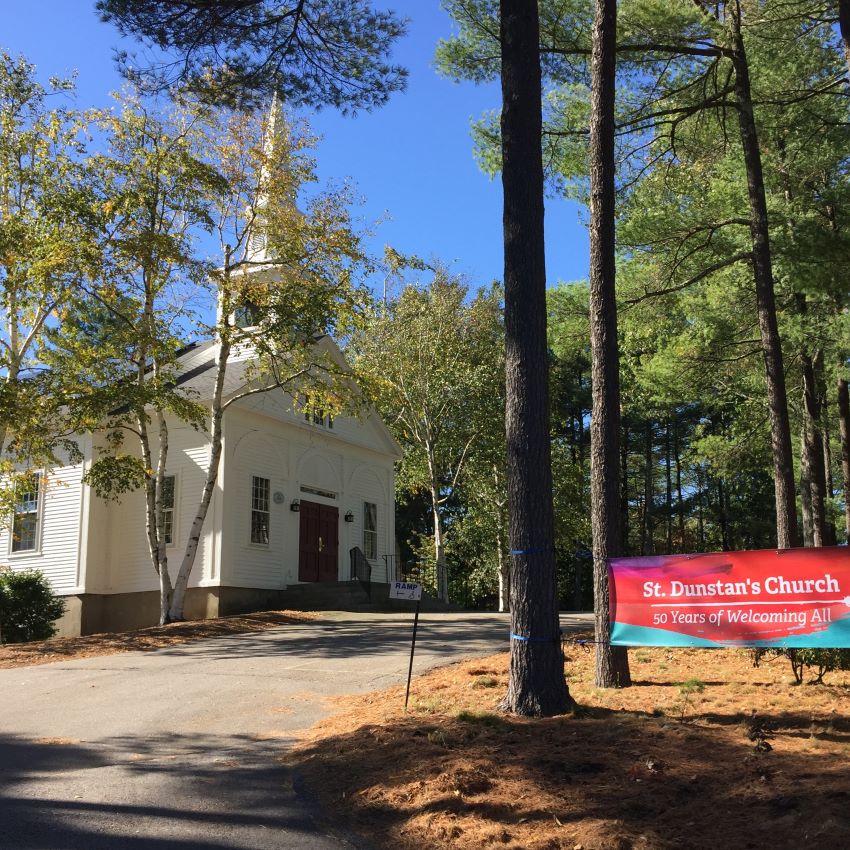


St. Dunstan's has a long history of environmental stewardship, first forming an Environmental Stewardship Committee in 1992. Over the years they instituted recycling, installed dual-flush converter kits on toilets, and minimized use of disposable cups, plates, etc.
Youth group mission trips to New Orleans after Hurricane Katrina made them aware of the impact of global warming and spurred them to think about ways to reduce their carbon footprint. They began by understanding their energy use: in 2008 they used 42,000 kilowatt hours of electricity and 725 gallons of propane. Their carbon footprint was 20 metric tons— 75% due to electricity, 25% due to propane.
Electricity, being such a large portion of their energy use and carbon footprint, was their initial focus, with an emphasis on energy conservation. Much of their building is heated by electric baseboards controlled by 17 thermostats. The church documented the times each area of the building was in use and then programmed each thermostat accurately for the time of worship services, church school, choir rehearsals, and other activities. The unoccupied temperature in the winter was reduced from 60 to 55 degrees. This reduced electricity use by 15%, about 5,000 kWh annually.
They also found an opportunity to increase efficiency—and comfort—by managing one heating zone. The offices and a meeting room are heated by a propane furnace, but the thermostat for these rooms was in an unheated hallway. Since the hallway would never reach the desired temperature, the furnace continued to run and made the offices sweltering hot. The church replaced the traditional thermostat with one that had a wireless sensor—placing the sensor in the office meant that the office temperature controlled when the furnace ran, achieving better comfort for the staff while reducing propane use by 15%.
Lighting was the next opportunity. The most common lighting type was fluorescent, mainly 4-foot, four-tube fixtures which in many areas provided much more light than was needed; in those areas, 2 tubes were removed, thus reducing electricity use by half. At the same time, the church began to transition to LED lighting over a number of years:
The next big reduction came in 2021–2022 when the church experimented with programming the unoccupied temperature at 50 degrees during the beginning of the heating season (October and November) and again at the end of the heating season (March–April). The church found that the temperature stayed at about 53 degrees, so the heat rarely came on during these months. To compensate for the lower temperature, thermostats were programmed to come on a little earlier before occupied times to ensure the rooms would be comfortable when people arrived. This cut electric use by about another 5,000 kWh. All of this work reduced electricity use to about 23,000 kWh, a 44% reduction from electricity use in 2008.
Meanwhile, the church began considering solar panels. In 2008, estimates ranged from $80,000 to $150,000 and the idea was put on hold. But the idea was not forgotten, and the church returned to it in 2012 when a new opportunity to install solar panels came to the church: a lease program offered through Massachusetts Interfaith Power & Light. The church paid no money upfront, and the annual total of the monthly lease payments was initially about the same as the cost of that amount of electricity from the utility. Electricity prices rose substantially during the lease period, so that by the final year, the lease was 40% less expensive than if the church had bought the electricity from Eversource. Over the ten years of the lease, the church saved over $11,000.
In the first year, the solar panels generated approximately 68% of the church's electricity. Continued energy conservation measures resulted in the panels meeting nearly all of the church's electrical needs by 2020.
After the Paris climate conference in 2015, Interfaith Power & Light urged members to support this international agreement by pledging to reduce their carbon emissions 50% by 2030 and be carbon neutral by 2050. Given the progress St. Dunstan's had already made, the Vestry adopted the following, more aggressive commitment:
That St. Dunstan's commit to the Paris Pledge to become carbon neutral by 2050, with the intention of achieving this goal by 2025.
To meet this goal, it became clear that purchasing the solar panels would be important: during the lease, not only did the church not own the panels, but they also didn't own the carbon reduction credits. The lease included a provision that after 10 years, the church could purchase the system at 20% of the original cost, about $21,000. The church included money for the solar panel purchase in a capital campaign that was launched in 2020; in 2023 the church acquired the system. Since then, the electricity is essentially free and the church owns not only the panels, but the carbon emissions reductions, meaning the electricity is carbon-free.
Finally, in 2024, when the MassSave program increased their incentives for insulation in houses of worship, the church installed spray foam insulation in two attics; the MassSave program paid the entire cost of this upgrade. The church also used the MassSave program to purchase WiFi-enabled thermostats that will allow even better control of heating schedules.
In 2024, St. Dunstan's carbon footprint was 1.1 tons, close to the goal of being carbon neutral. The bulk of the church's carbon footprint now comes from the propane furnaces which heat the offices and Fellowship Hall. Over the next couple of years, these will be replaced with heat pumps.
When a condemned boiler left First Congregational Church scrambling through one cold winter, the congregation turned the crisis into a decision: a high-efficiency heat pump system that moves the historic 1860 church off fossil fuels and toward a low-carbon future.
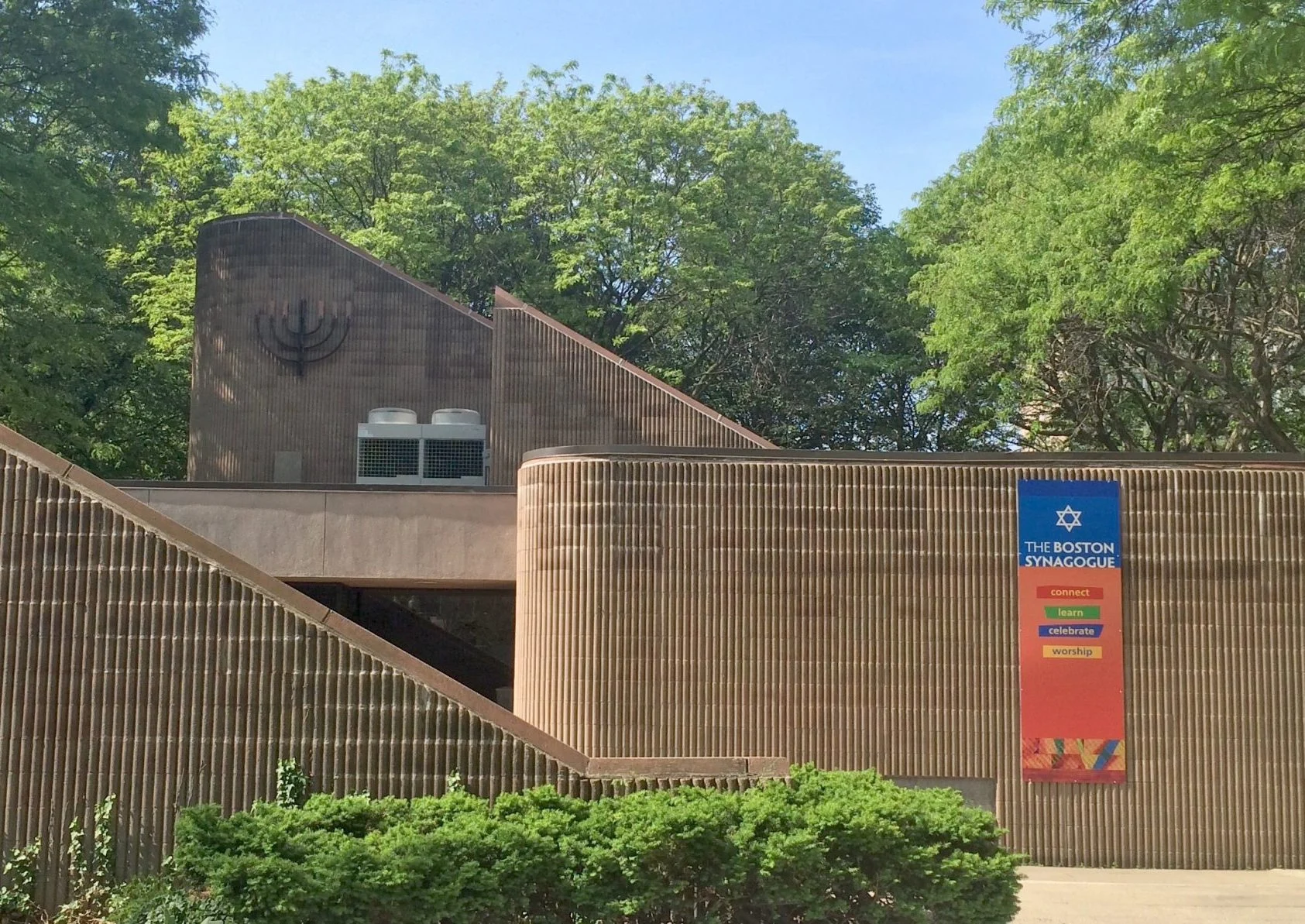
Boston Synagogue dramatically cut its carbon emissions and energy costs by replacing an outdated district steam system with efficient air-source heat pumps and other upgrades, reflecting both practical stewardship and the Jewish principle of tikkun olam.
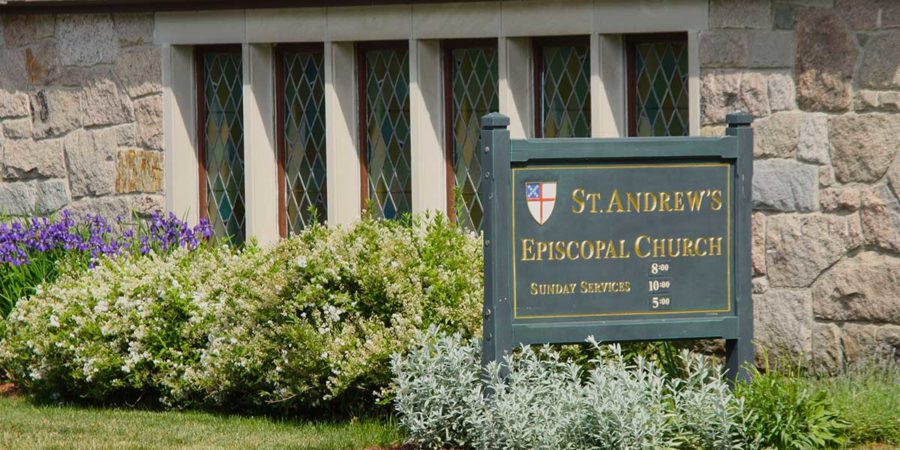
By replacing its old oil-fired steam system with high-efficiency gas boilers, new windows, and smart heating controls, St. Andrew's Episcopal Church in Wellesley cut heating costs by 67% and reduced carbon emissions by 188,000 pounds.

