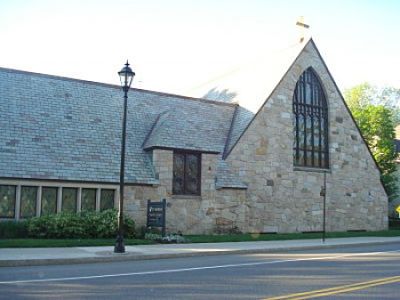


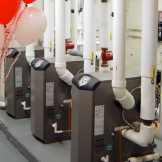
In 2007, leaks in its steam heat distribution system had cost St. Andrew's over $60,000 over a two-year period. Energy costs were also rising every year. St. Andrew's formed a Property Task Force and retained MassIPL to provide an Environmental Stewardship Assessment. MassIPL recommended that the inefficient oil-fired steam heating system be replaced. Single-pane window systems and lack of zone controls also added to huge energy costs. St. Andrew's accepted MassIPL's advice. With the assistance of a MassIPL project manager, the church retained an engineering firm, initiated design, and selected contractors. The work was paid for from funds obtained through a capital campaign and was completed over a two-year period. All projects were completed on time and under budget.
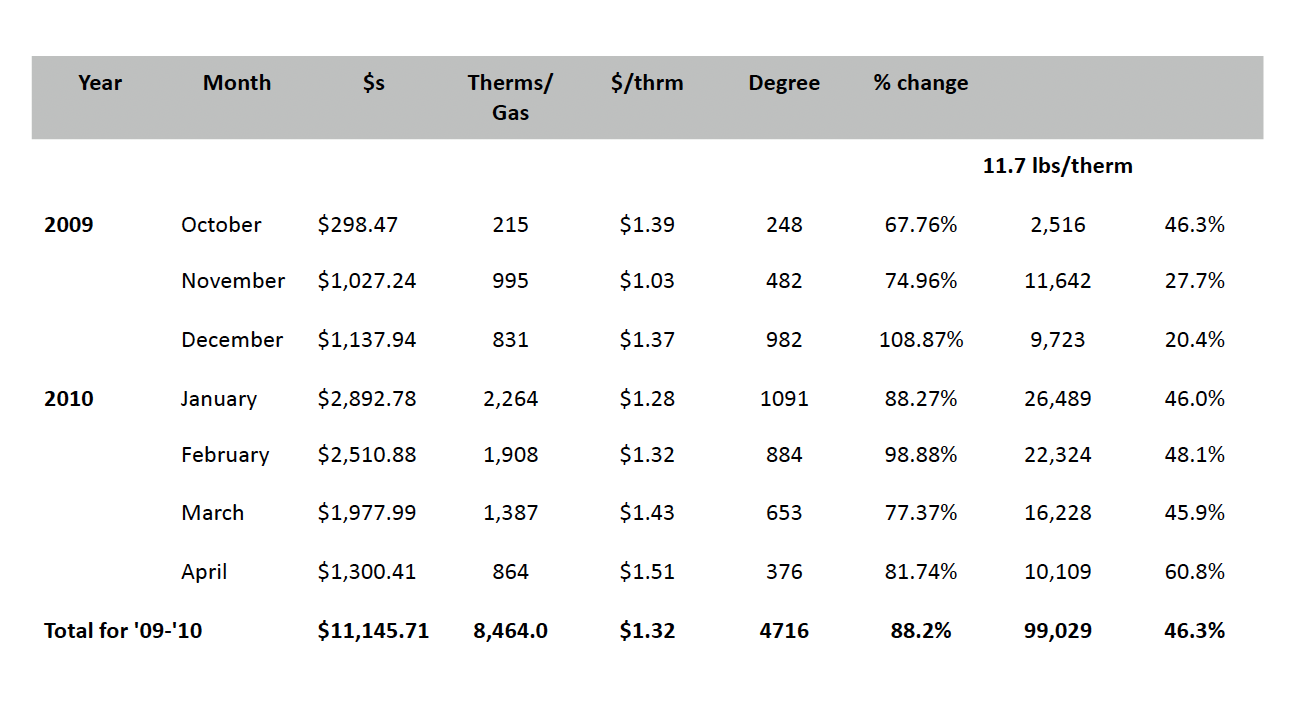
CO2 Savings — Carbon dioxide emissions were reduced by 60%, or by about 188,000 lbs. This is the equivalent of taking 15.3 cars that get 20 mpg off the road every year, or saving 13,152 New England trees, or about 18.8 acres.
Cost Savings — Energy costs were lowered by $21,764. Total 2009–10 heating season fuel cost was $11,145 compared to $32,910 in 2007–2008, before the heating system and High E windows were installed — a 67% reduction!
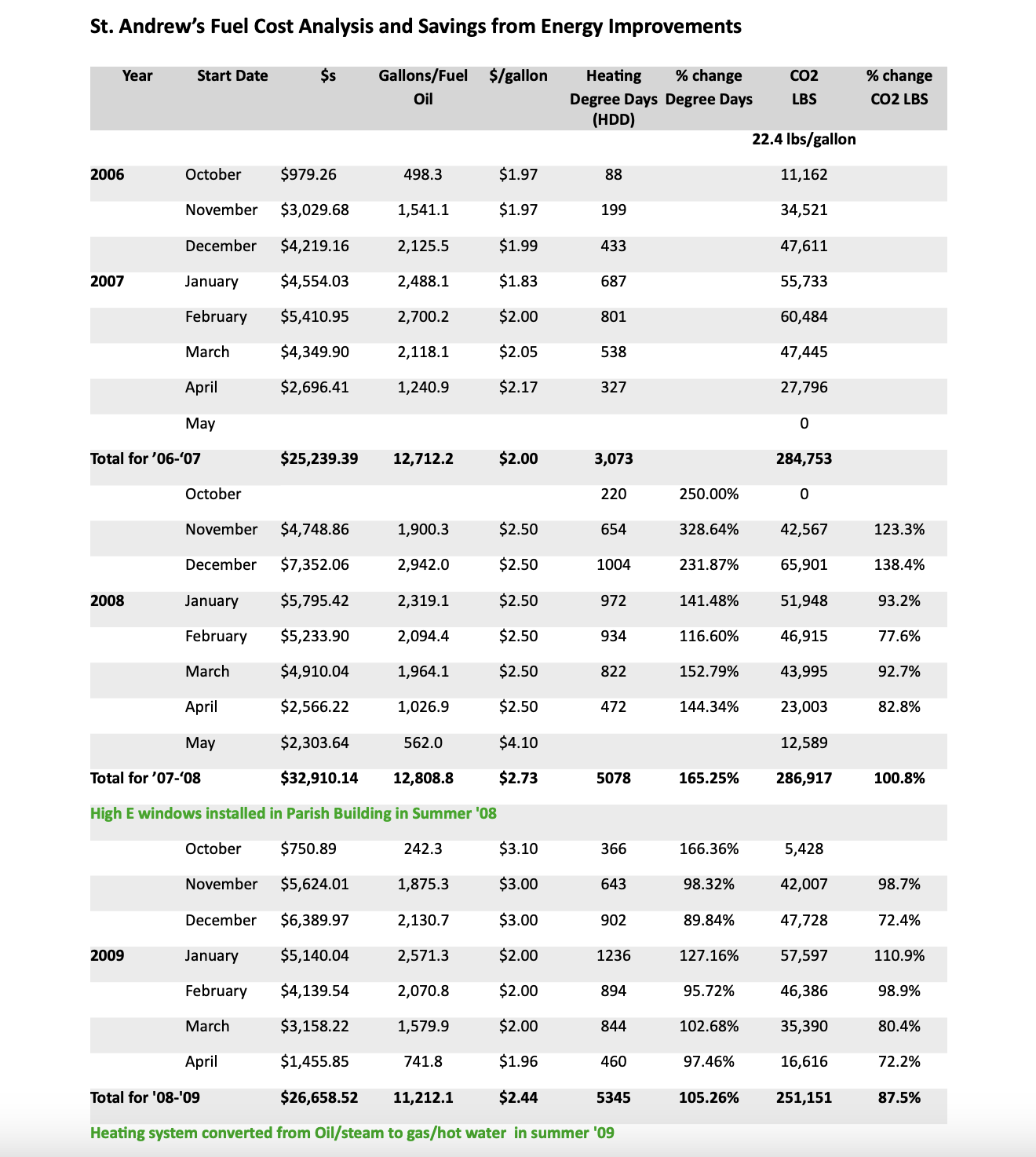
Heating fuel cost savings
Carbon dioxide savings
August 2010. Updated January 2022.
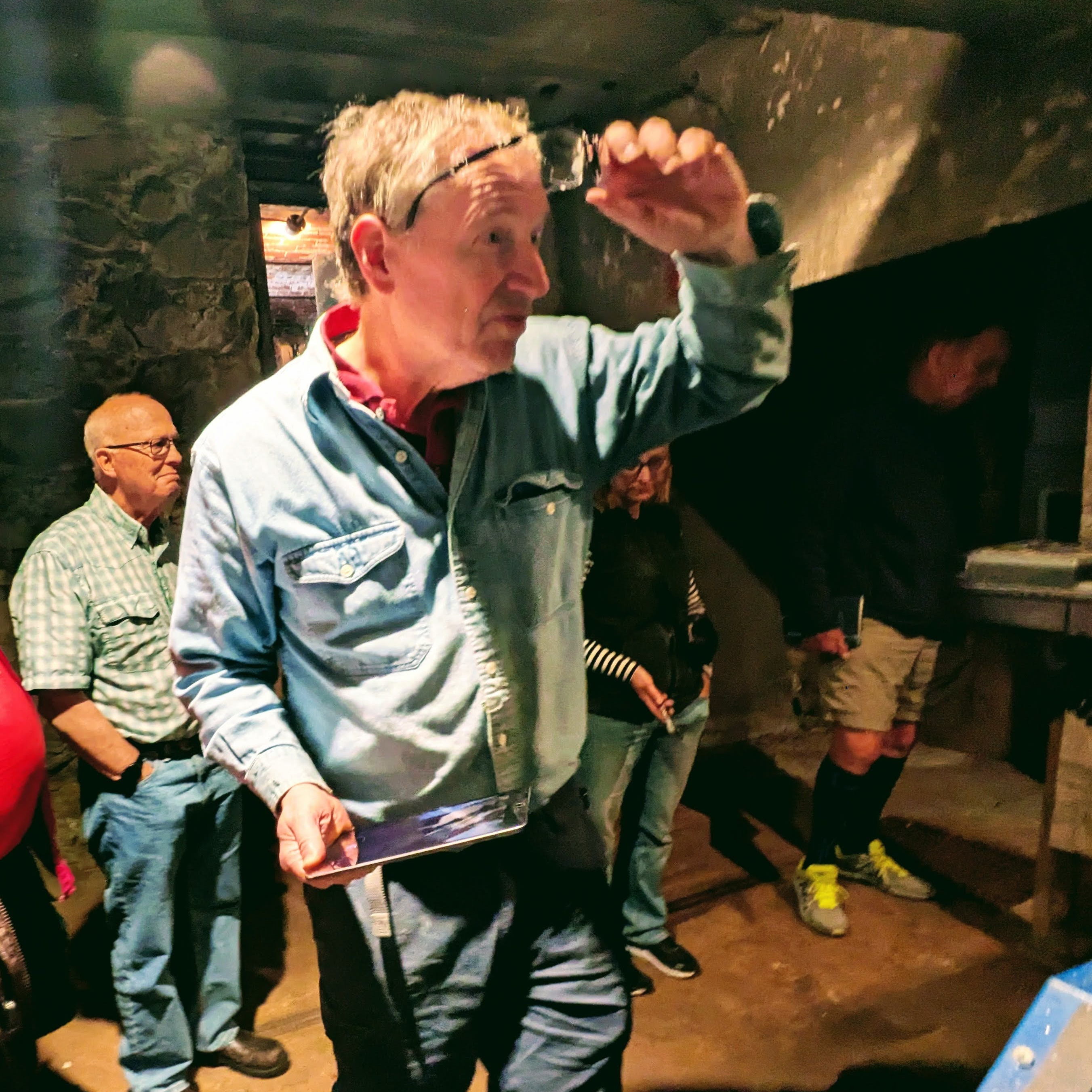
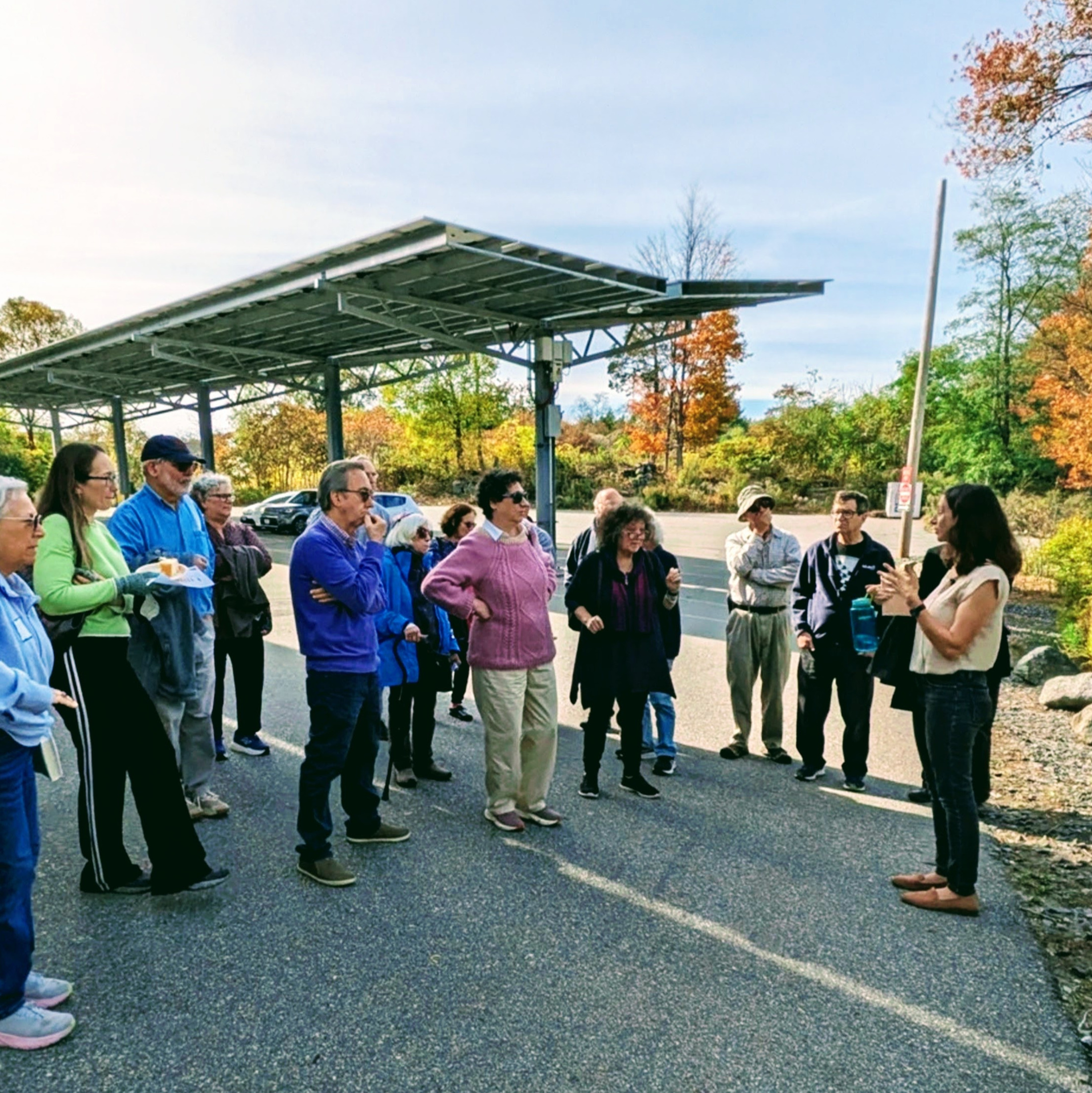
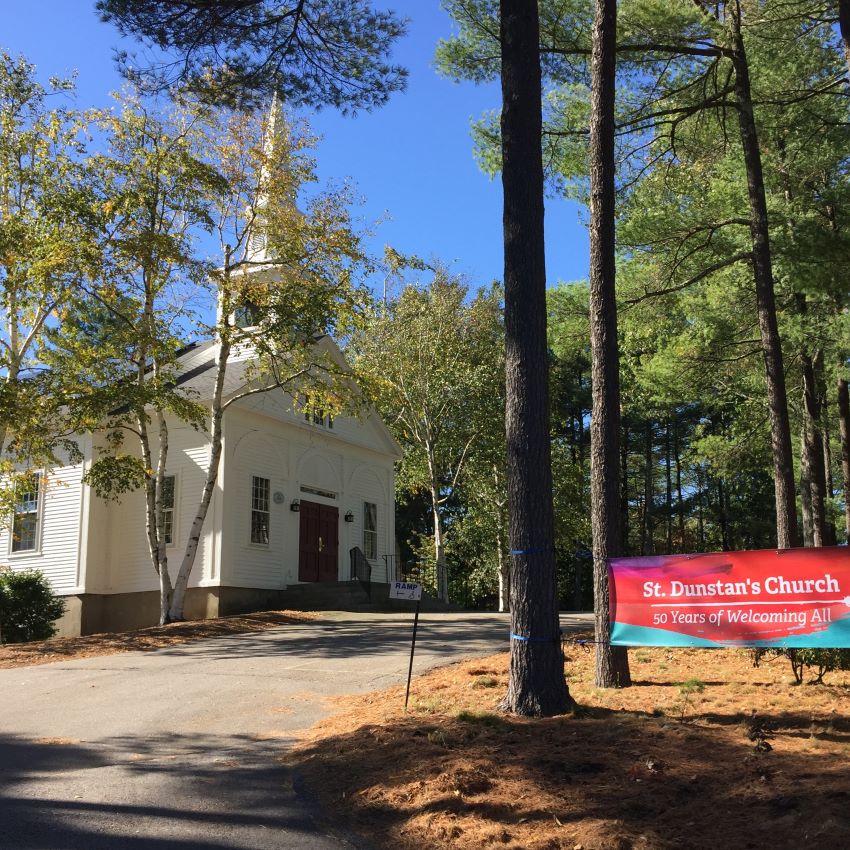
St. Dunstan's Episcopal Church reached near–carbon neutrality through a steady, decades-long effort combining smart energy management, LED lighting, insulation upgrades, and solar panels, cutting electricity use by 44% and now producing nearly all its power carbon-free.
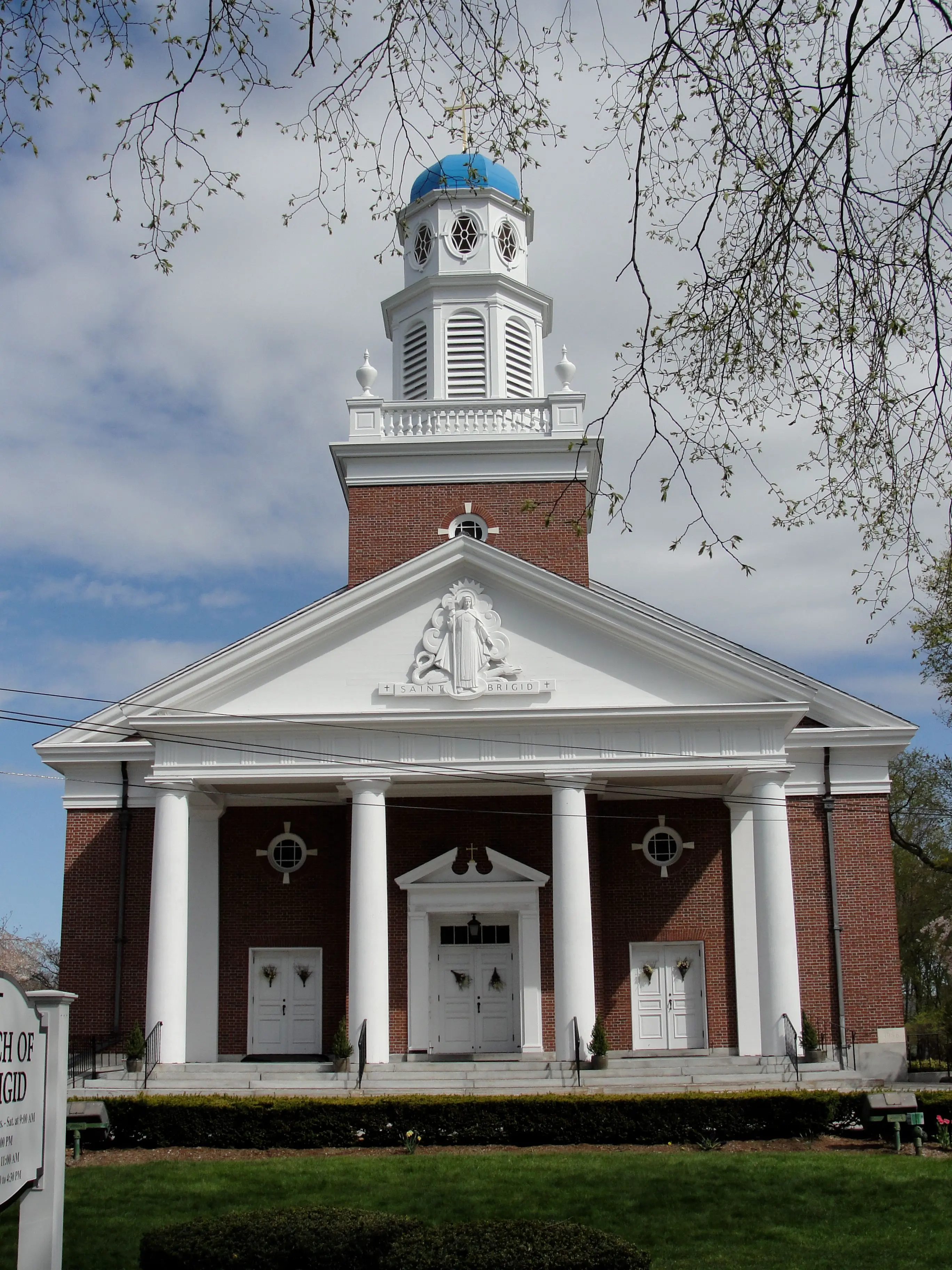
Since 2011, St. Brigid's Parish in Lexington has cut its carbon footprint and energy costs sharply, lowering heating expenses by more than 50%, reducing emissions by 53 metric tons a year, and saving $32,000 annually through insulation, efficient lighting, and cleaner heating systems.
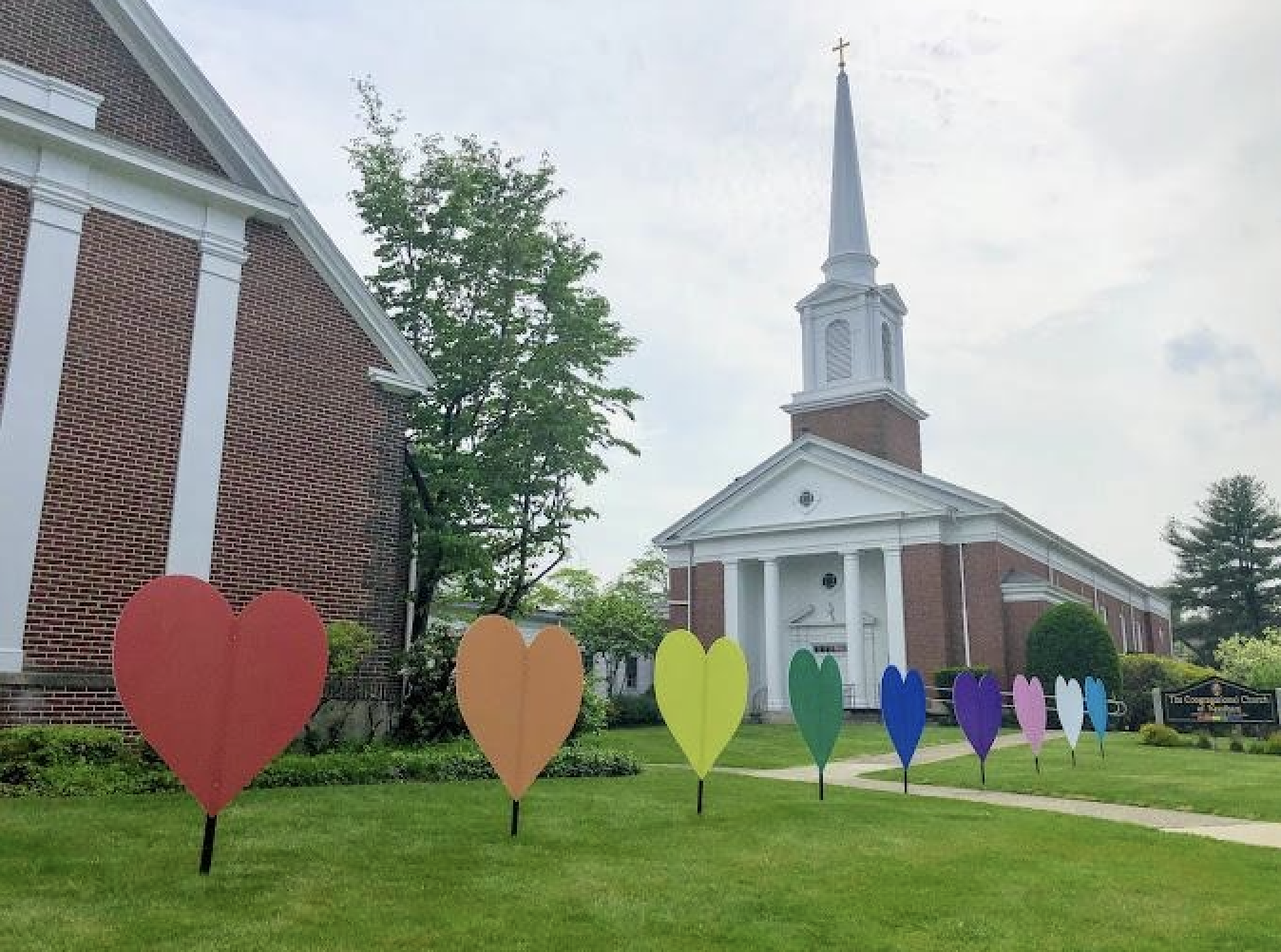
The Congregational Church of Needham cut its carbon footprint by 58%, soon to reach 64% with solar, through insulation, LED upgrades, high-efficiency boilers, and persistent, faith-driven leadership that brought sustainability into every decision.

