

in houses of worship across Massachusetts
in qualifying incentives for houses of worship
Of service and support in the Commonwealth
of C02 avoided by MA congregations
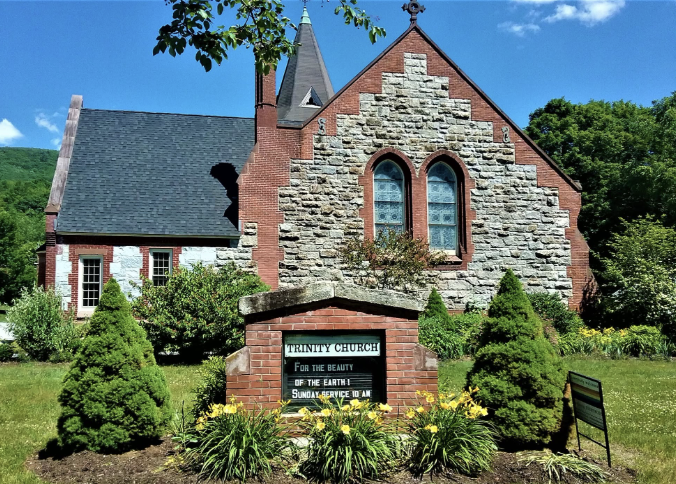
In flood-prone Shelburne Falls, Trinity Church is turning its building into a climate resilience hub, adding solar, weatherization, heat pumps, EV chargers, and a commercial generator so it can shelter, power, and feed neighbors when disaster strikes.
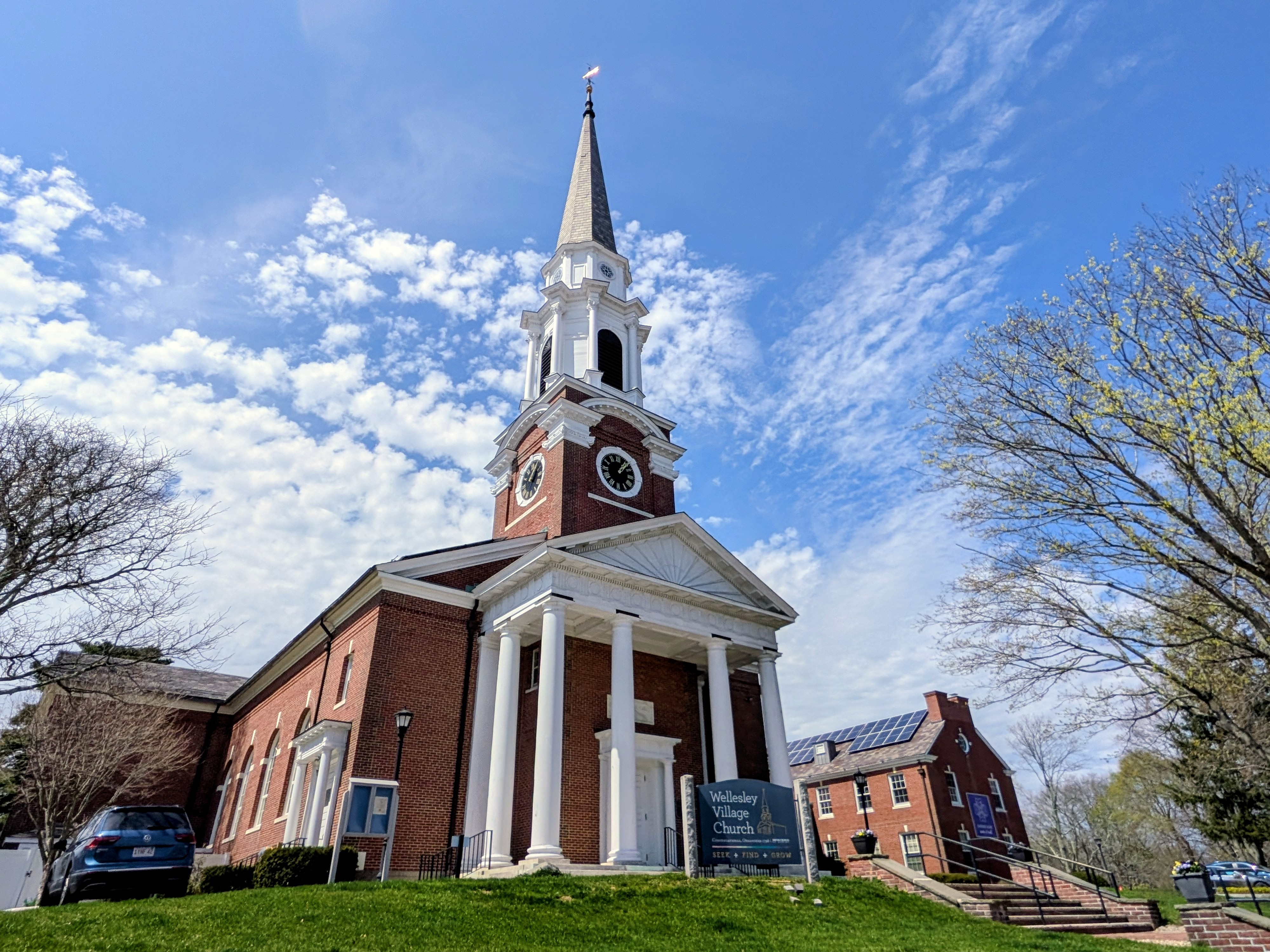
Wellesley Village Church completed a monumental project to meet 100% of its heating and cooling needs with geothermal energy, becoming a leader others across the state and country now look to follow.
.png)
FUUSN modernized its historic 1906 building with HVAC upgrades, smart controls, and data-driven planning, cutting energy use and emissions over 20% while aligning its facilities with its mission.
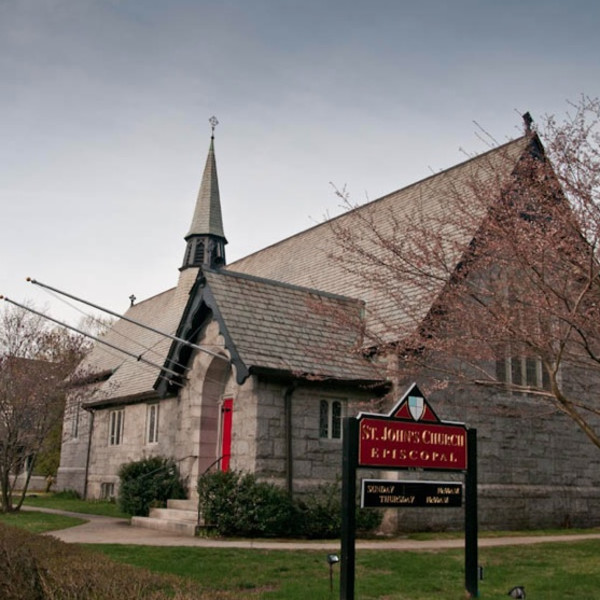
St. John's Episcopal Church in Newtonville turned a heating crisis into climate leadership. Through upgrades and careful planning, St. John's cut carbon emissions 58% since 2012 while preserving its historic building and improving year-round comfort.
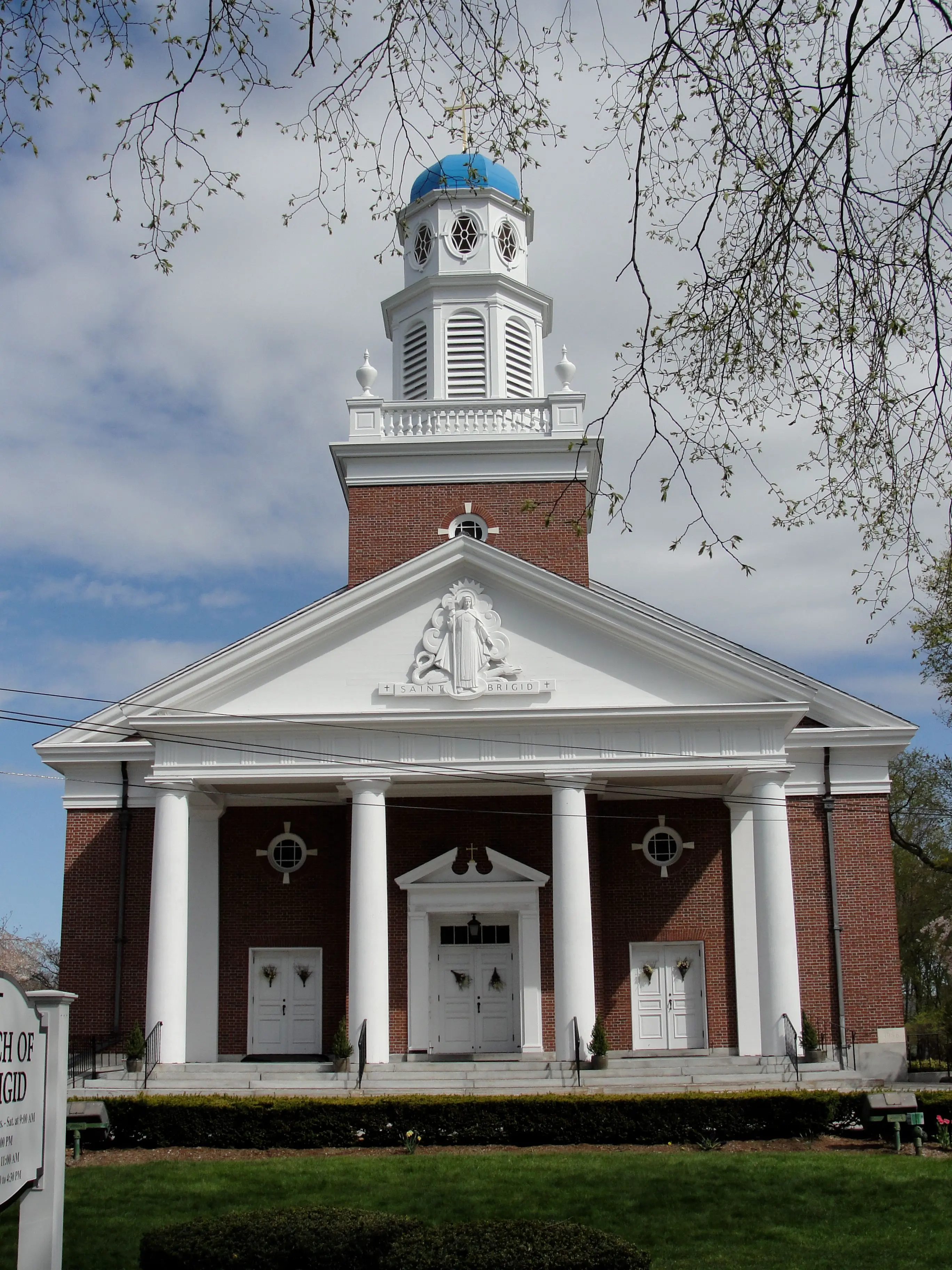
Since 2011, St. Brigid's Parish in Lexington has cut its carbon footprint and energy costs sharply, lowering heating expenses by more than 50%, reducing emissions by 53 metric tons a year, and saving $32,000 annually through insulation, efficient lighting, and cleaner heating systems.
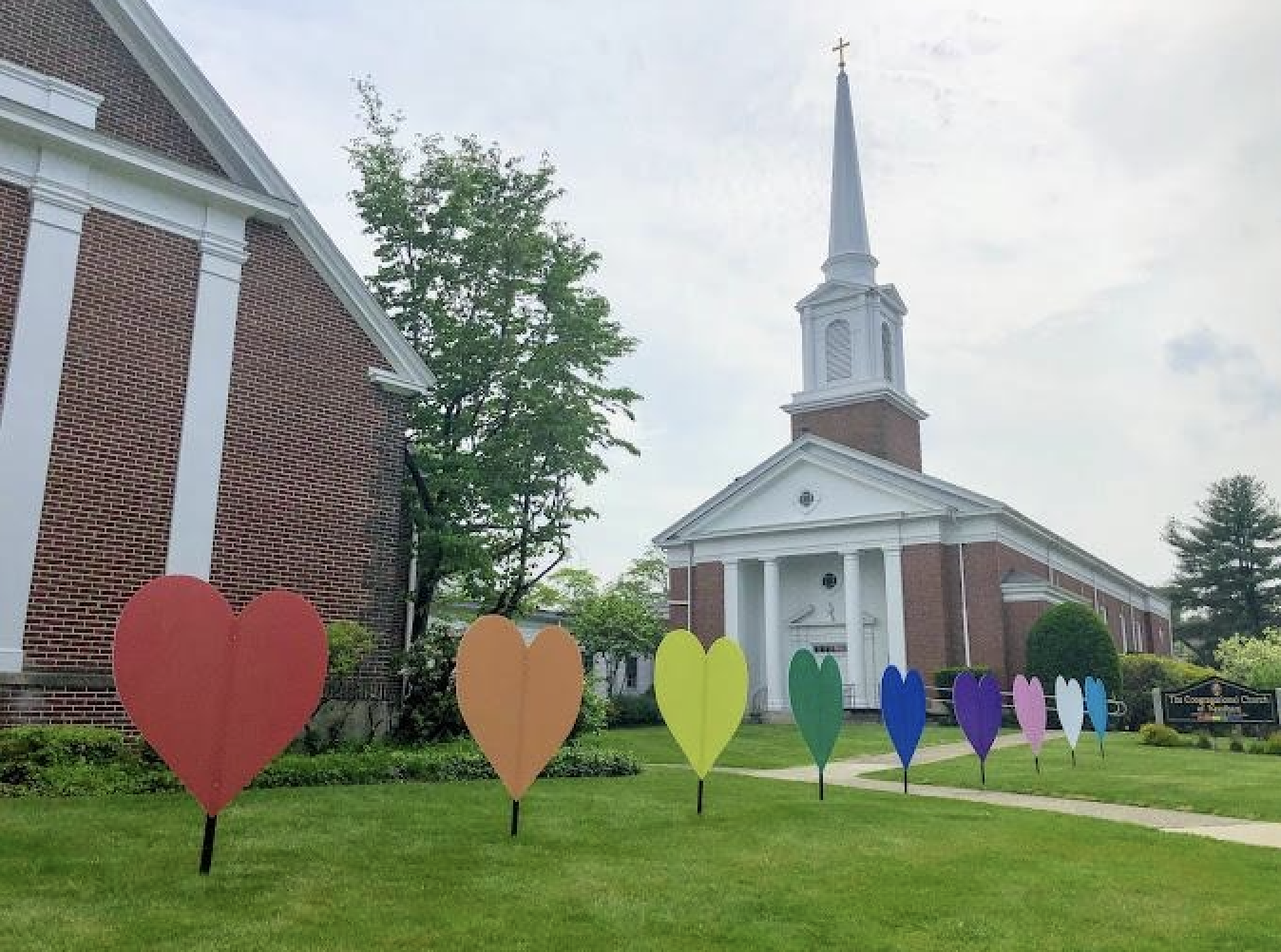
The Congregational Church of Needham cut its carbon footprint by 58%, soon to reach 64% with solar, through insulation, LED upgrades, high-efficiency boilers, and persistent, faith-driven leadership that brought sustainability into every decision.

