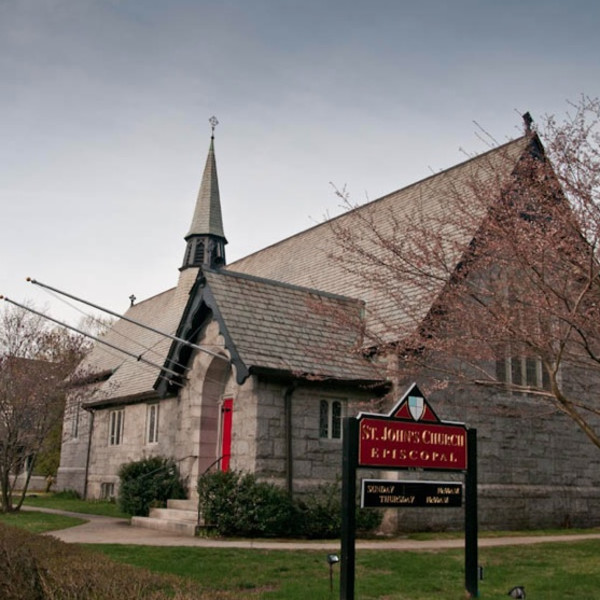


St. John's Episcopal Church in Newtonville, built in stages beginning in 1902, is a historic stone structure cherished by its small but active congregation. The church engaged Massachusetts Interfaith Power & Light for its first Environmental Stewardship Assessment (ESA) in 2013 and implemented a number of its recommendations over the next ten years, reducing their carbon emissions 25%.
A failing boiler confronted the church with an immediate challenge but also an opportunity to accelerate its transition to a more sustainable future. Guided by moral responsibility to reduce climate impact, practical needs for comfort and efficiency, and the reality of limited financial resources, St. John's conducted a multi-path evaluation.
The church's heating system was an aging mix: a 2013 Buderus high-efficiency boiler for part of the building and a steam boiler installed in 2018. In 2023, when the steam boiler began to fail after only six years, leaders faced a choice: stick with fossil fuel or seize the chance to go green.
While repairing the boiler would have been the least disruptive path, it wasn't clear that repair would be more than a short-term fix. Plus, with the steam pipes over 100 years old and so past their expected useful life, the likelihood of expensive pipe replacements in the future weighed against this choice and focused the Green Team on a full replacement of the heating system.
While the Green Team and Vestry began exploring options for new heating systems, MassSave increased its incentives for insulation, paying up to 100% of the cost. No matter what heating system would ultimately be chosen, reducing the need for heating would save money and lower carbon emissions for years to come.
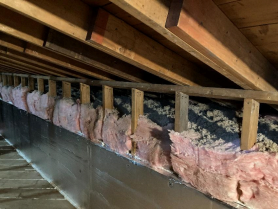
The church solicited proposals from two insulation contractors, selecting Rogers Insulation due to their attention to the unique challenges of the building. They installed a mix of loose- and dense-packed cellulose, foam board, and fiberglass batts in attics and crawlspaces, with a small amount of spray foam to air seal key junctures. In addition, all doors were weatherstripped. MassSave estimates these improvements will reduce heating energy use by 15%. The benefits were felt even before seeing the lower bills, as one leader said: “It's the best thing we ever did—rooms stay at consistent temperatures now.”
Replacing a steam system was a more complex decision involving many interrelated decisions. At the same time, parish leaders wanted flexibility for multiple spaces and aesthetics that respected the building's historic charm. In order to inform these decisions, the Green Team consulted widely:
Options and issues that were considered included:
The final design included 4 high-efficiency condensers, 9 ductless mini-split heads, and 3 thermostatically controlled zones. This resulted in two small rooms (used primarily for storage) not having heads, instead relying on air circulation to heat them, while a small electric resistance baseboard was added to another small office, which is used for few hours during the week.
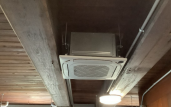
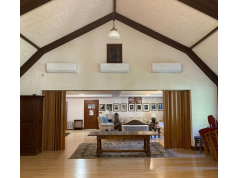
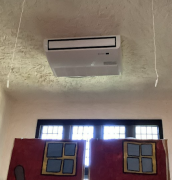
A mix of mini-split head types was used to balance efficiency, comfort, and aesthetics, including low-profile wall-mounted units (below left), underceiling units (below center), and ceiling cassettes (below right), where appropriate.
With over a year of research and planning, the journey encountered some hurdles. As one leader told us, “Scope creep is inevitable.” Some of the unexpected issues that occurred included:
But there were wins too:
In total, all this work cost about $140,000. The church received about $65,000 in rebates from MassSave. The balance was covered by unused Covid funds and a low-interest loan from the Episcopal Diocese.
St. John's is starting to explore solar PV and community solar options to offset electricity costs. Smart thermostats, smart circuit boards, and energy monitoring are on the horizon. With this transformation, the church is not only stewarding its historic building but also modeling climate leadership for the future.

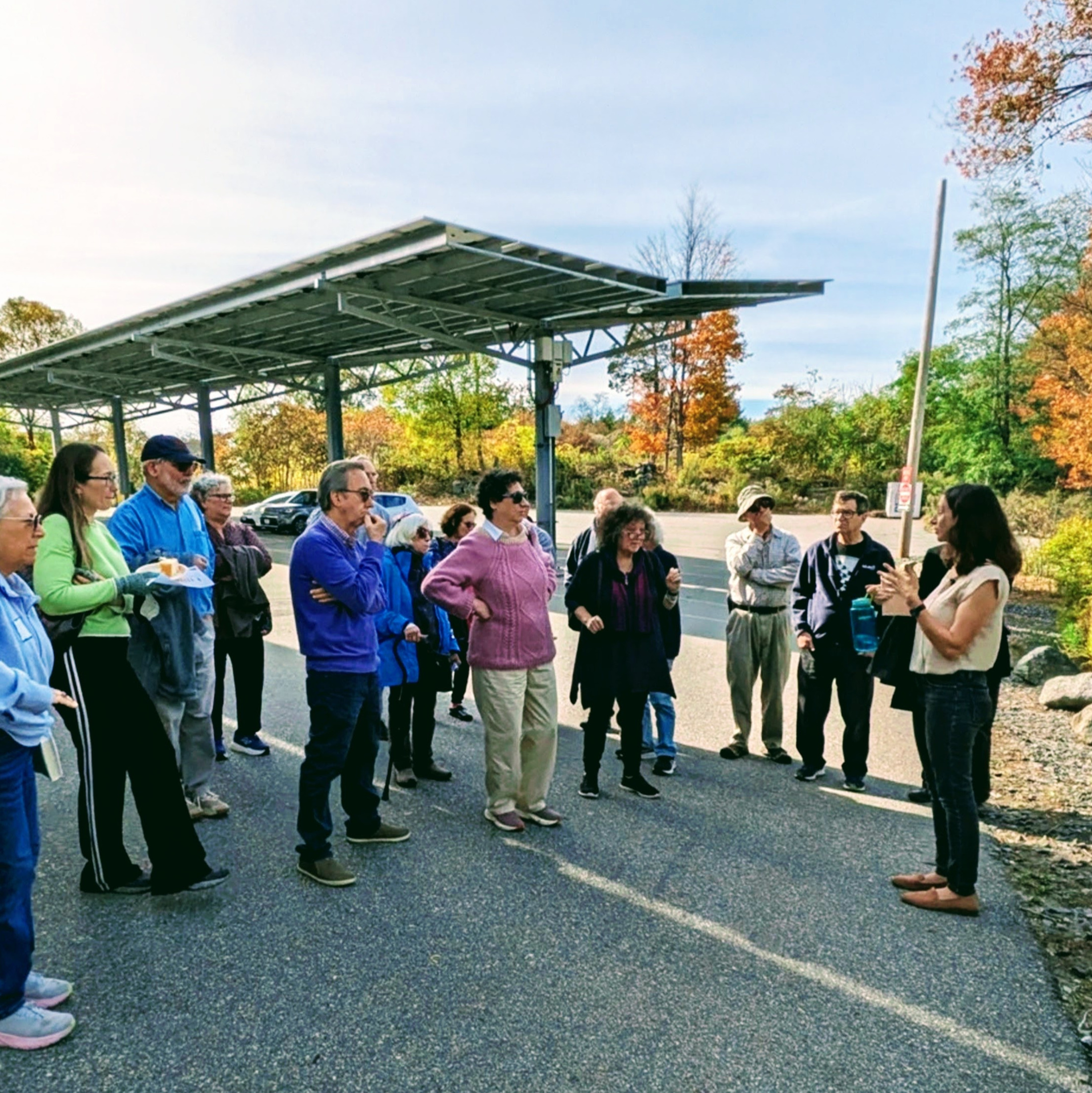
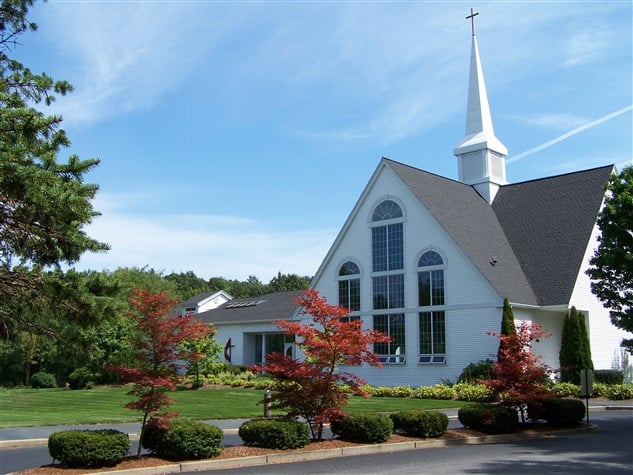
St. Matthew's United Methodist Church improved insulation, sealed leaks, promoted energy-saving behaviors, and added solar lighting, cutting heating costs by 19%, electricity use by 8%, and overall carbon emissions by 22%.
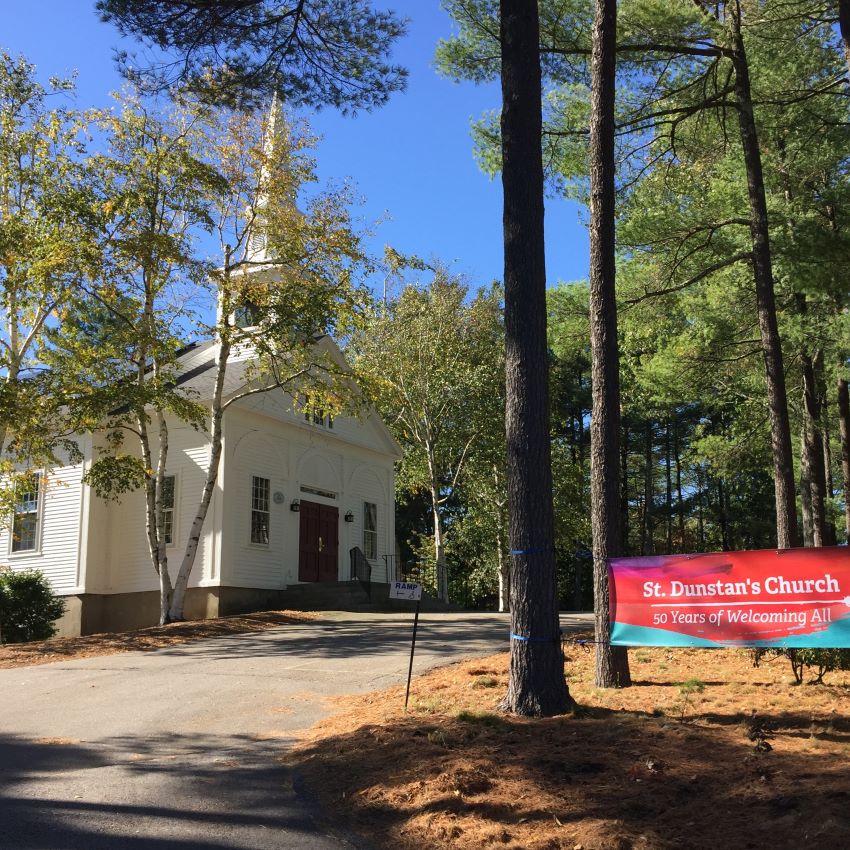
St. Dunstan's Episcopal Church reached near–carbon neutrality through a steady, decades-long effort combining smart energy management, LED lighting, insulation upgrades, and solar panels, cutting electricity use by 44% and now producing nearly all its power carbon-free.
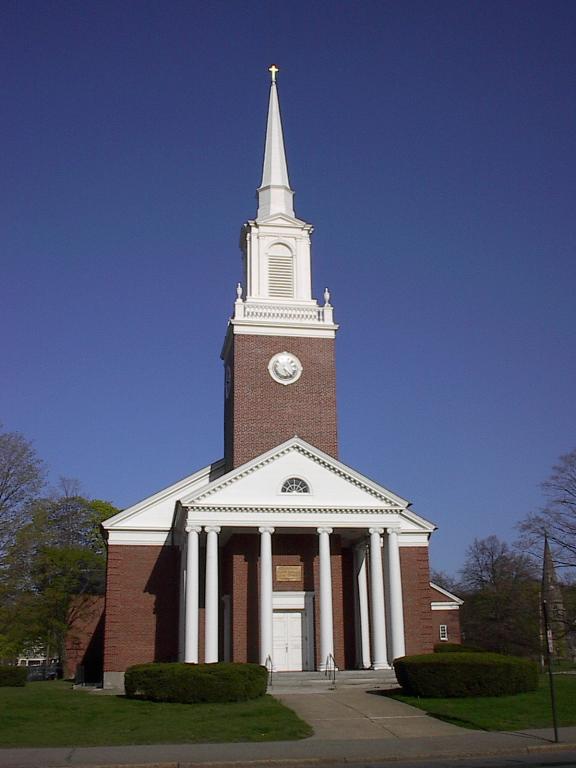
Eliot Church in Newton transformed its historic 1845 building into an ENERGY STAR®–certified, solar-powered, highly efficient facility, cutting energy use and carbon emissions by over 40% while engaging its congregation and community in climate action and advocacy.

