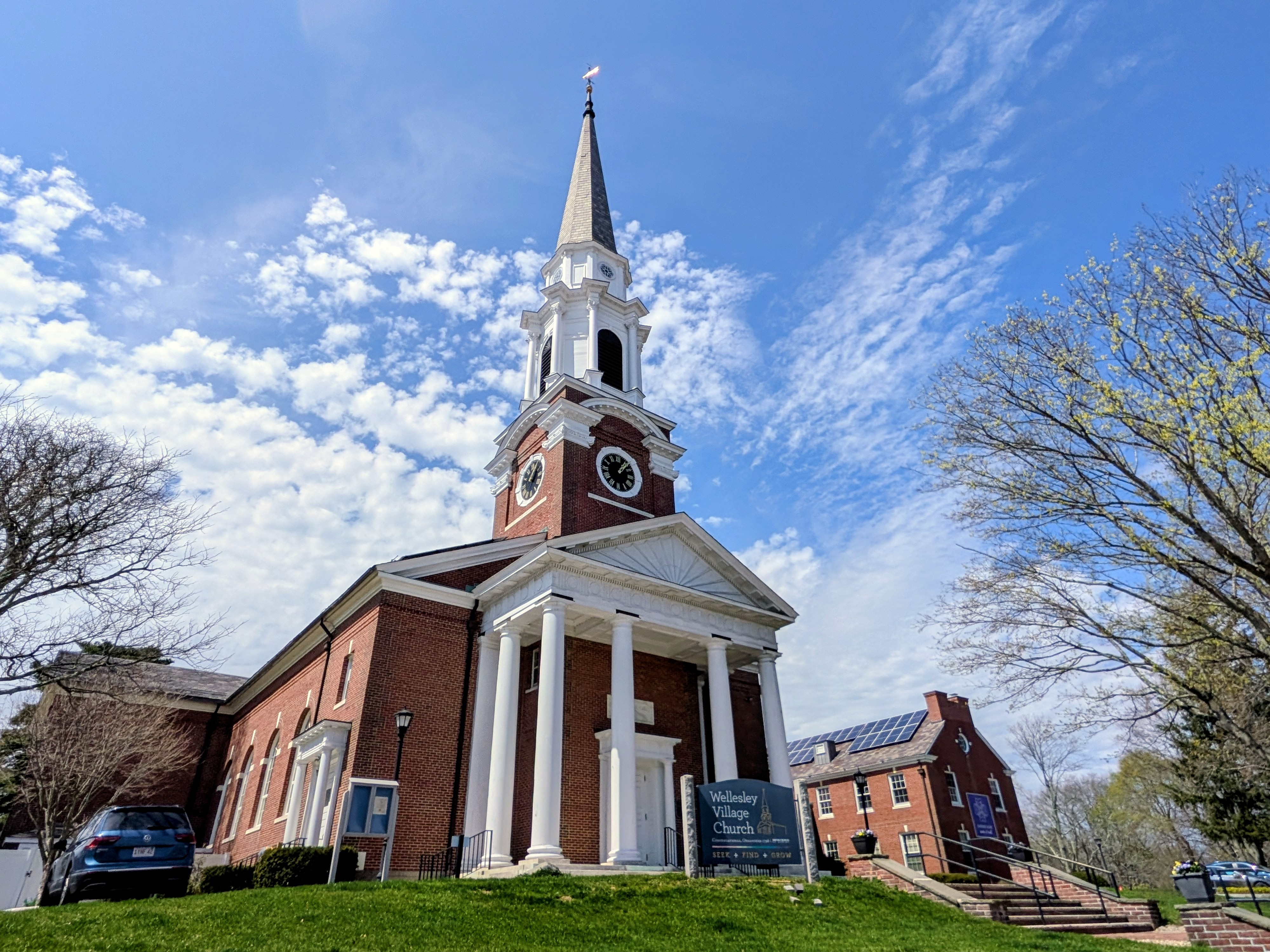


Wellesley Village Church in Wellesley, MA has just completed a monumental project to meet 100% of their building's heating and cooling needs using geothermal energy. In the process of completing this historic project, Wellesley Village has upheld their congregation's commitment to sustainability, a core value for their community. Not only has the church demonstrated moral and just leadership in their own community, they have generously shared their learnings with other congregations across the state and country looking to follow in their footsteps, making them a leader in geothermal energy.
Wellesley Village Church's process began in 2014, when they allotted $400,000 to environmental stewardship during a capital campaign. The congregation used this initial money for a number of projects to begin reducing their energy use and prepare for the HVAC replacement project they knew would be required in the 2020s: partial conversion to LED lighting, installing a solar array, improving the insulation and air sealing of the building, updating some HVAC equipment and doing initial investigation of geothermal in preparation for a bigger system update.
By 2022, it was clear that the congregation needed to act on replacement. Their 55,000 square foot building had two oil-fired boilers and 7 roof top units, all of which were past the end of their expected useful life. Choosing a replacement heating and cooling system required a two-step decision making process: first, a new HVAC task force investigated a wide range of options, then the evaluations and recommendations were brought to the congregation for final approval.
Step one of the decision making process, determining the available options, required a balance of the congregation's interests and concerns. Advances in HVAC technology provided several options that would allow moving away from oil-fired equipment. Three options would result in a more sustainable system: switching from oil to (1) natural gas, (2) air source heat pumps, or (3) moving to a ground source heat pump design.
Some key conclusions of evaluating the different heating and cooling options included:
Sustainability has been a clear, longstanding value for Wellesley Village Church and spurred the church to expand their options to consider geothermal. Unlike oil and gas heating, which just require the "drop-in" of a few components and are easy to get a quote on, geothermal requires a more comprehensive system design, including thermal wells and piping that are tailored to fit the needs of the building and the specifications of the property. The congregation's greening committee had been exploring geothermal as a sustainable and resilient heating option. In order to get a quote on a geothermal system, Wellesley Village invested $70,000 into an initial design for a geothermal system for their building.
Besides sustainability, geothermal also was found to have other advantages:
Like most congregations, the church must not only be environmentally sustainable, but financially sustainable. The evaluation of different heating and cooling options required a detailed financial analysis of the installation costs, the annual cost of fuel, state and federal incentives available, and the long-term capital cost.
Initially, the costs for geothermal were 30% higher than oil and gas, which would likely have ruled out geothermal. However, with the passage of the Inflation Reduction Act in 2022, nonprofits and houses of worship became eligible for a 30% direct refund of geothermal project costs from the Federal government, with an additional 10% for sourcing materials domestically. Despite some rollbacks on other forms of renewable energy incentives by the Trump administration, geothermal incentives remained in place. A 40% decrease in project costs suddenly brought the cost of a geothermal system in line with other options and elevated it to the realistic choice.
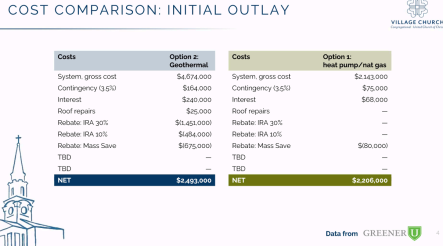
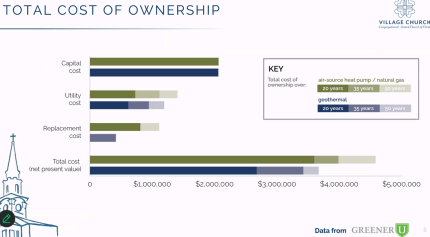
While the initial installation cost was important, the church also evaluated the long-term costs over 20, 35 and 50 year periods, since whatever system they chose would be in place for many years. This analysis combined the initial installation cost with the utility costs and the replacement costs based on the expected useful life of each type of equipment. This analysis identified geothermal as having the lowest long-term total cost of ownership, increasing its appeal.
The next factor in the financial feasibility of the project was the negotiation of a fixed price contract. The congregation had experience with a prior project that had gone over budget and strained their finances, and they wished to avoid repeating this experience. In addition, since geothermal is a relatively new technology, there was concern about unknown conditions they might encounter that would increase the costs during installation. They invested an additional $100,000 to further develop the initial design study. This included room-by-room calculations of the heating and cooling needs and detailed plans for adapting existing radiators and duct work to ensure the system would deliver 100% of the building's heating and cooling needs. This enabled the contractor, GreenerU, to offer a fixed price contract, meaning that if there were unanticipated costs or the project went over budget, it would be the responsibility of the contractor. The fixed price contract alleviated some financial concerns for the congregation. Obtaining a fixed price contract was one of the key factors that gave the congregation confidence in the geothermal proposal.
After proposals were gathered, it was time for part two of the decision making process: bringing the analysis and recommendations to the entire congregation who would have to vote and ultimately financially support the project. The committee presented both the natural gas and geothermal options to the congregation. In order to shepherd the congregation through the decision making process, the leaders of the project worked intensively for two months, meeting weekly, attending the monthly church leadership council meeting, and engaging the congregation through education on the geothermal process and its merits and challenges. The committee worked with GreenerU, the project manager whose communications specialist developed clear and helpful materials on how geothermal works, its benefits, and how much the project would cost that the committee distributed to the congregation so that they could be well informed. The committee also hosted a few Sunday information sessions, which a representative from GreenerU attended to answer any questions from congregants.
The decision between natural gas and geothermal generated serious debate and discussion within the congregation. At the final meeting to make a decision, debate was still ongoing. Mark Lenci, one of the two co-leads on the project, credits a young member of the church for pushing the geothermal option forward. Mark recalls how this young member stood up in front of the church and brought up the point that the next time the boiler would have to be replaced, it would likely be unconscionable to use fossil fuels, and that not making the switch to geothermal now would be kicking the can down the road. When the vote was taken, 85% voted in favor of geothermal, and the project moved into the next phase.
The gross cost for the geothermal project was $4.67 million, but after federal rebates, as well as state incentives from MassSave, the project cost was $2.49 million. In order to fund this project, the church undertook a capital campaign. This campaign, titled "Empowering the Future," had geothermal as the centerpiece, but also included funds to support other important ministries: an endowment for their youth and children's program, expanded community outreach, securing the property reserve, and greening a second worship space owned by the church.
In addition to GreenerU's technical expertise, Wellesley Village hired a capital campaign advisor to help them manage the complexity and the speed with which they wanted to conduct the campaign. Analyzing the flow of donations to the campaign and the invoicing of different milestones of the geothermal project was important to successfully financing the project.
Since the federal direct pay and MassSave incentives were also integral to the finances of the project, the church needed appropriate documentation to comply with the different requirements of these programs. Here again the partnership with GreenerU was instrumental to success since they frequently work with these programs and understand the requirements in depth. For example, GreenerU worked closely with MassSave engineers to ensure the design of the system complied with MassSave's sizing guidelines.
The general contractor chosen for this project was GreenerU, who the congregation highlighted as "a real partner," and not just a vendor for parts. GreenerU, who also managed the design of the system, oversaw all facets of the installation: drilling the 18 thermal wells each 850 ft. deep, installing the 6 miles of piping, and working with HVAC contractors who installed the rooftop air handling units and the basement heat pumps. Church leaders on the project emphasize that working with GreenerU was one of the best decisions they made on the entire process. GreenerU also loved working with Wellesley Village Church. Speaking as a guest in front of the congregation, GreenerU CEO Rob Durning said that the church's geothermal project was "one of finest examples of meeting GreenerU's vision of helping organizations combat climate change thoughtfully, with integrity, and with hope in the 16 years GreenerU has been a company."
The education of the community did not stop after a decision was made. During the process of installing the geothermal system, Wellesley Village created a series of short videos documenting the construction process in order to provide the congregation updates and explain how geothermal works. These excellent videos are available for all to watch on the church's geothermal webpage: https://wellesleyvillagechurch.org/empoweringthefuture/.
GreenerU's involvement continued after the installation was complete and the system was activated in November 2025. GreenerU continued to educate church staff and volunteers about the system, the energy management interface and, in a process known in the HVAC industry as "commissioning," worked alongside the church team to ensure the system performed as intended, adjusting settings and fine-tuning components of the system as needed.
The winter of 2025–2026 was the first full heating season for the system. It was a colder winter than New England had seen in at least 10 years, ranking as the 9th snowiest and 19th coldest season on record. But the system had no trouble providing all the heat the building needed. As the heating season has turned into the cooling season, the church is seeing that the system uses less electricity than anticipated: since the water comes out of the ground at around 55 degrees, there is little need to cool it further before sending it to the air handlers. Thus, the only electricity used is for the pumps to circulate the water and none is needed to run compressors to further chill the water. The church has observed that when outside temperatures exceed 90 degrees, supplemental cooling using the heat pumps is needed.
.png)
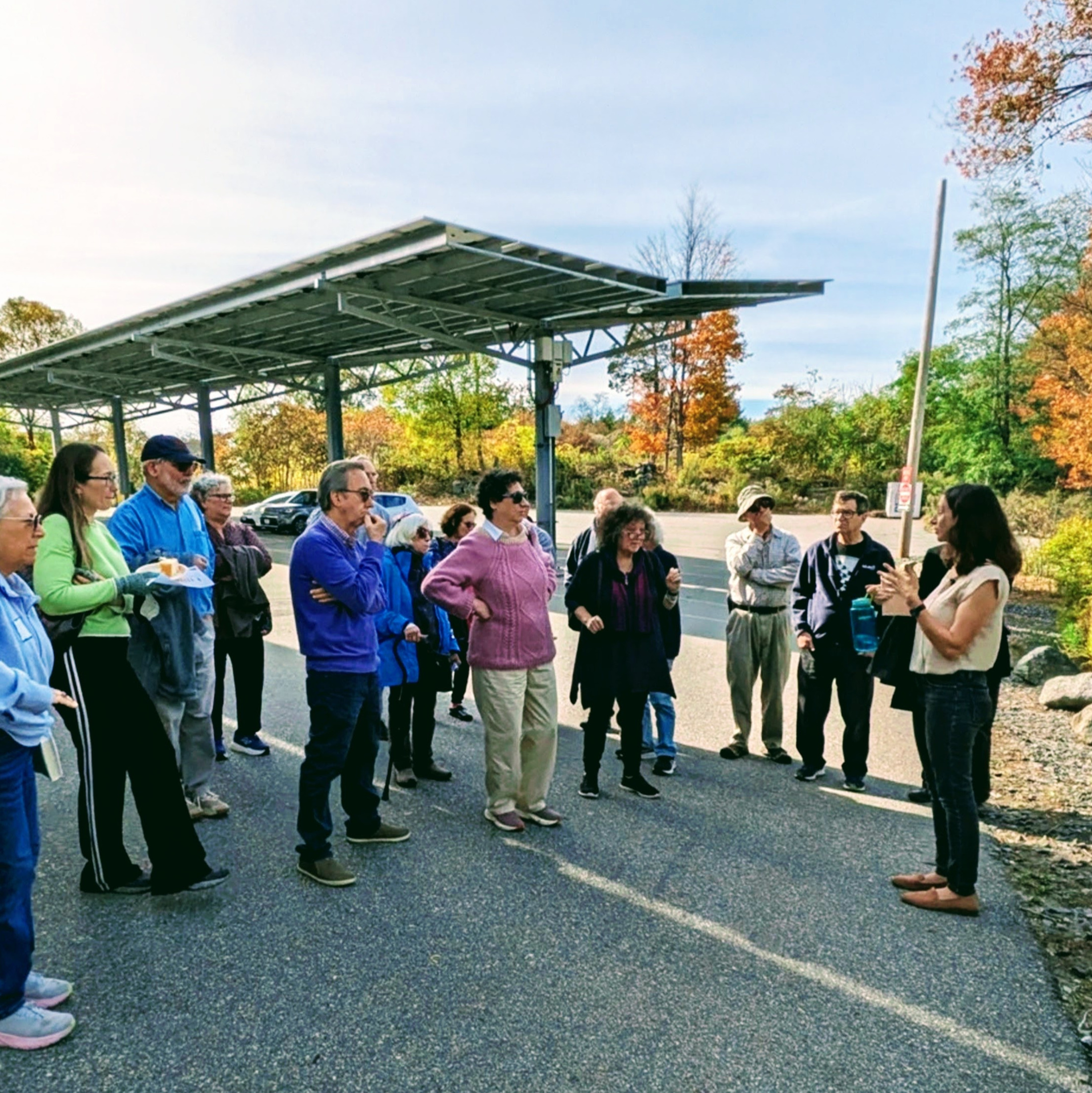
FUUSN modernized its historic 1906 building with HVAC upgrades, smart controls, and data-driven planning, cutting energy use and emissions over 20% while aligning its facilities with its mission.
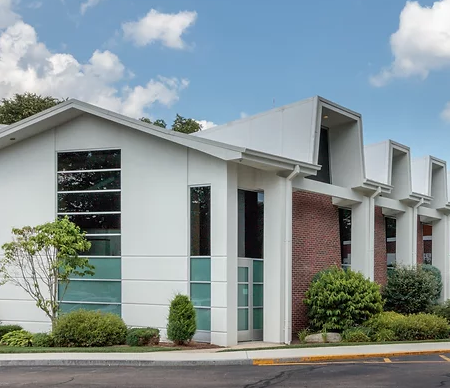
Temple Beth Shalom in Needham has cut its energy use and carbon footprint through major building upgrades, efficient heating and lighting, waste reduction, and active environmental education and engagement within its community.
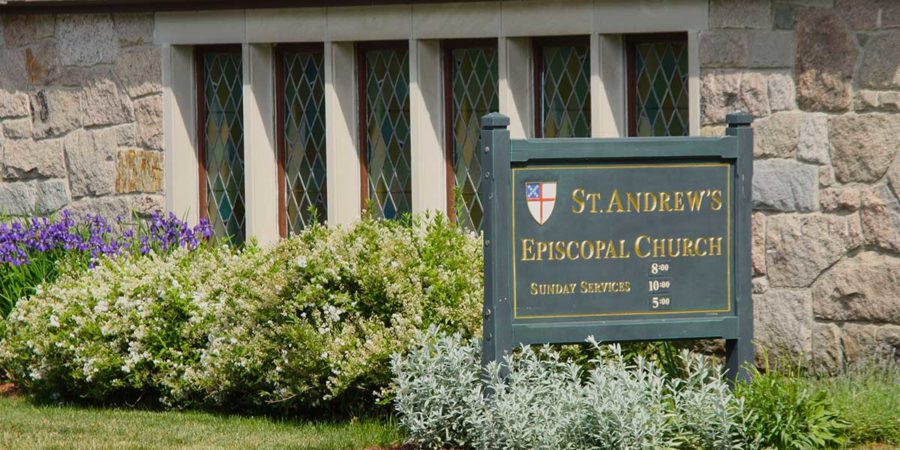
By replacing its old oil-fired steam system with high-efficiency gas boilers, new windows, and smart heating controls, St. Andrew's Episcopal Church in Wellesley cut heating costs by 67% and reduced carbon emissions by 188,000 pounds.

