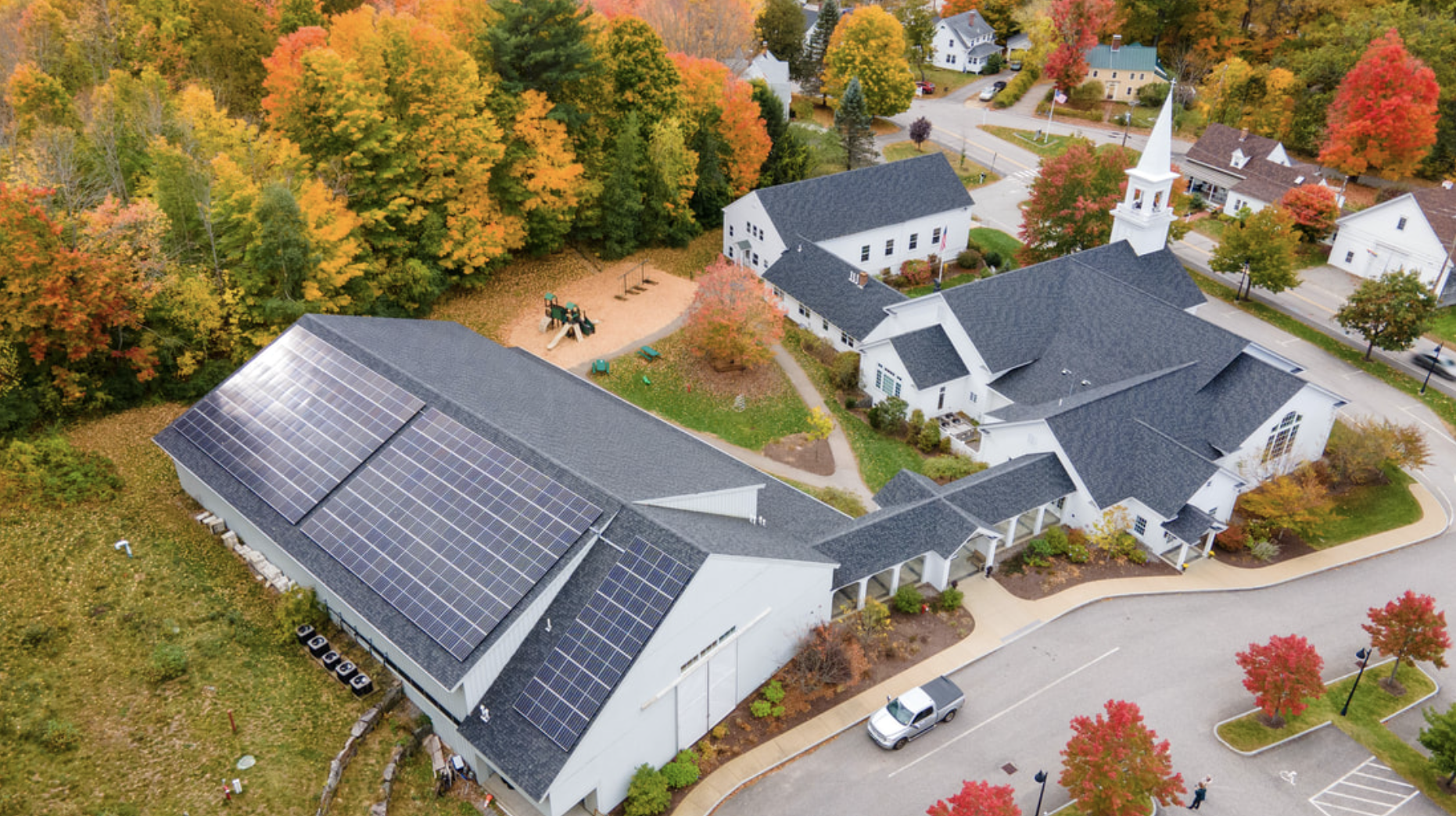


Solar power is clean, environmentally friendly, energy producing, and extremely cool. Almost 200 houses of worship in Massachusetts host solar panels. Solar panels can supplement or provide all of your home's or house of worship's electricity. Over the past 10 years, the cost of solar panels has dropped significantly and typically will pay back their cost in 10 years, or as little as 5 years depending on the state and federal incentives that you take advantage of.
Solar power uses the sun's energy to produce electricity (DC) which goes through an inverter that converts the current to AC, the kind of electricity used by our lights, appliances, etc. Most often, you remain connected to the grid so you can draw electricity at night or when the panels don't produce all of the electricity the building needs. In Massachusetts, due to a regulation called "net metering", if your panels produce more than you need, the "excess" is sent onto the power grid and your electric account is credited for the cost of that electricity. As batteries improve and become less expensive, they are commonly added to solar installations to provide additional flexibility and resilience in the event of a power outage.
Of all electricity producing sources, solar energy has the smallest environmental impact. Solar panels do not take up land when installed on top of houses or places of worship so they conserve land. PV cells do not require massive strip mining for fuel (coal) or produce toxic byproducts. While some energy – and thus carbon emissions – are created during the manufacturing process, these are offset within the first 1 - 4 years of the panels' operation that creates zero emissions.¹ Over the course of 25 years, a 10-kilowatt solar panel system will prevent approximately 67 metric tons of CO2 from reaching the atmosphere. This is roughly equal to driving 170,000 miles in a car.
Another significant reason to install solar panels is to reduce the amount your home or house of worship pays for electricity. Since 2015, electricity rates in Massachusetts have risen 75%. If you buy the panels, you will eliminate much, if not all, of your electricity bill. A typical solar array on a house of worship costs $75,000 - $100,000.
There are several tax incentives available through the state and federal governments. The North Carolina Clean Energy Technology Center maintains an excellent database of these incentives – Database of State Incentives for Renewables and Efficiency, DSIRE. Click on this link and click on Massachusetts on the map: https://www.dsireusa.org/. With the passage of the Inflation Reduction Act in 2022, non-profits could take advantage of these credits through a provision known as "direct pay"; however, this provision is only available through the end of 2027. But even when this incentive expires, reduced electricity costs will pay back the investment in a solar panel installation in 8 - 9 years.
If your organization can't afford to purchase the panels, financing options such as a lease or a power purchase agreement typically save you 10 - 20% on your electricity bill. (See the MassIPL EES Financing Solar Panels.)
When installing a solar energy system, the two most common approaches are roof-mounted and ground-mounted panels. Each has its own advantages, costs, and design considerations.
Two main components make up a solar array:
Whether for your home or house of worship, there are a few important features the building must have:
The closer you can get to generating 100% of your electricity from your solar panels, the better! Start with understanding how much electricity you use every year – the kWh consumed over the past 12 months can usually be found on your electric bill. Then, the size of your roof is a limiting factor – when a solar installer prepares a proposal, it will show the size of the array and estimate the number of kWh produced annually. Finally, consider how your electricity use might change in the future: Are there energy efficiency projects you can do to decrease usage? Will you install heat pumps to heat and cool the building in the coming years, increasing your electric usage?
If the idea of your house of worship installing solar panels excites you, take the lead in organizing the efforts to make it happen. Here are steps MassIPL recommends:
While installing solar panels on your house of worship is a big project, it has many benefits and is very feasible. MassIPL is here to help you take this important step in combating climate change and caring for Creation.
Want to print, share, or view this article offline? Click the link below to download it as stand-alone file.
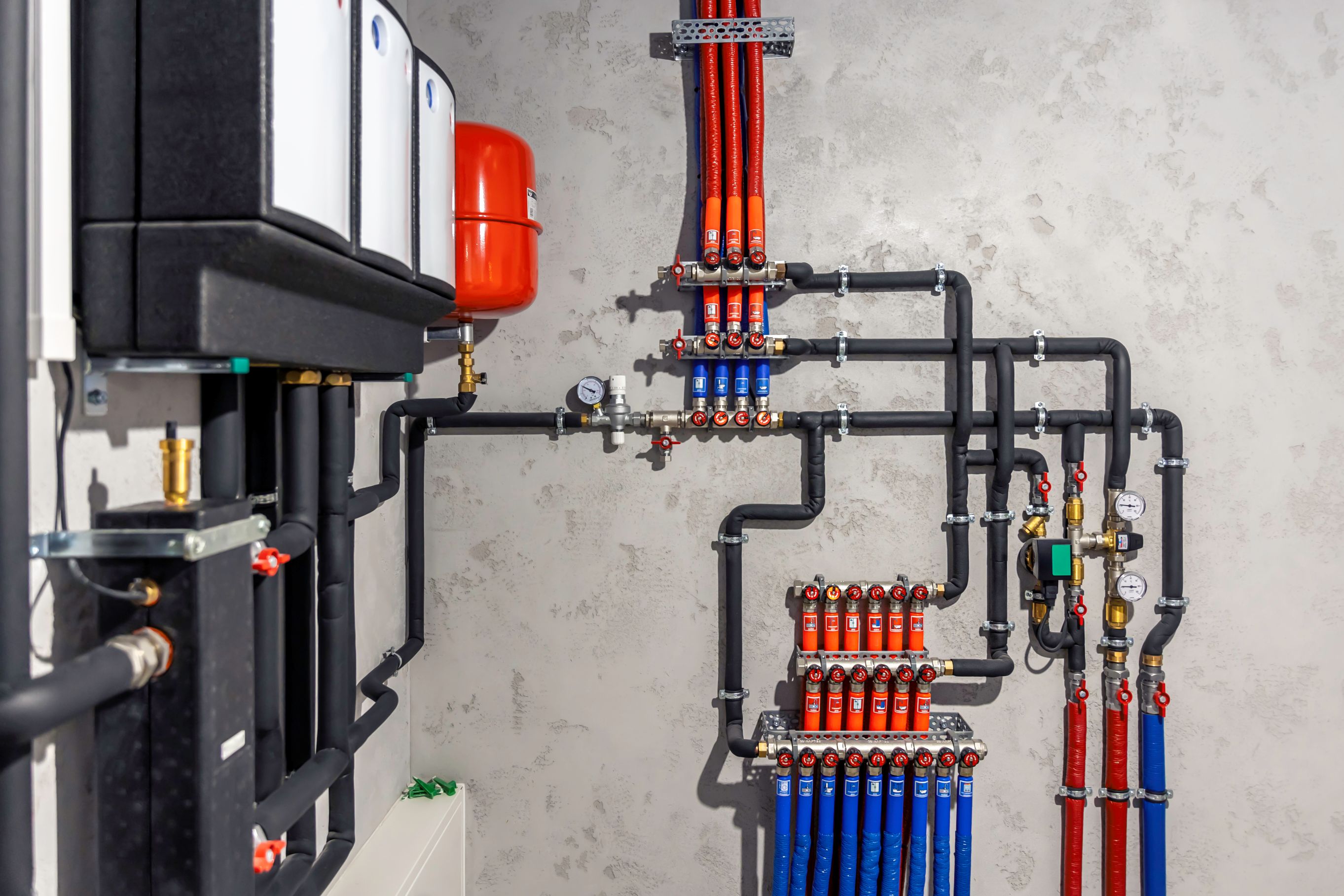
A step-by-step guide to exploring geothermal for your house of worship: how it compares with air-source heat pumps, the incentives that make it affordable, how to get started, what challenges to expect, and where networked geothermal is headed.
.png)
An introduction to how ground-source heat pumps work, how they compare with air-source heat pumps, and why they may offer long-term sustainability and financial benefits.
_page-normal.jpg)
Working through these 24 questions is one of the simplest ways to find where you can cut the most energy for the least effort.

