.png)


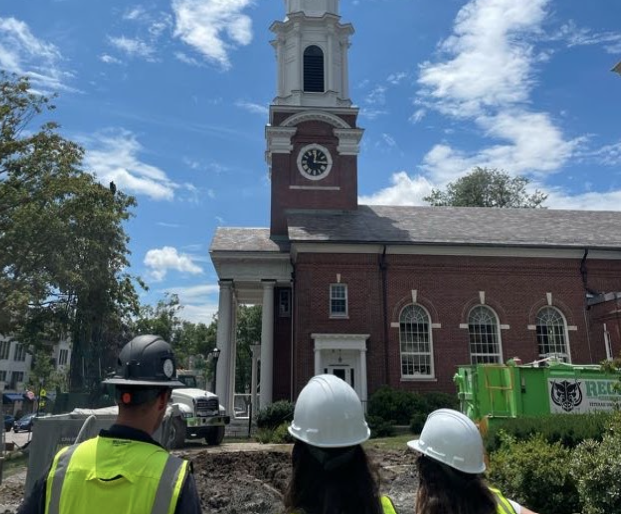
This document and its companion, Geothermal Heating and Cooling Part 2: Step-by-Step, are intended to provide a primer on geothermal for houses of worship interested in exploring and implementing sustainable heating and cooling for their building. This document gives a brief overview of what geothermal is and explains some of its benefits; Part 2 provides greater detail on the considerations and steps for exploring geothermal provides information on organizations that are MassIPL’s geothermal partners, and lists additional helpful resources.
Climate science tells us we must transition away from burning fossil fuels like natural gas and oil as quickly as possible in order to avoid worsening the effects of climate change that we are already seeing: extreme heat waves, massive wildfires, droughts, floods, etc. The Commonwealth of Massachusetts has established the goal of being net zero carbon emissions by 2050. For heating and cooling our buildings, that means replacing existing fossil-fuel-fired furnaces and boilers with heat pumps that run on electricity which, over time, will emit less carbon as more electricity is generated by wind and solar.
There are two main types of heat pumps, with a primary difference being whether heat is exchanged with the air (air source heat pumps) or with the ground (geothermal or ground source heat pumps).
This primer is designed to educate houses of worship on geothermal as an option that may offer long-term sustainability and financial benefits.
Geothermal heating and cooling uses heat pumps to move heat through underground pipes between buildings and relatively shallow parts of the earth. Typically, this involves drilling one or more wells (known as “boreholes”) that may be several hundred feet deep that contain piping to circulate fluid that exchanges heat with the surrounding ground. These systems can be installed in most parts of the United States because temperatures several feet underground stay relatively constant year-round, typically around 50 to 60°F (10 to 16°C) depending on the region, with about 55°F being a common average. (The more accurate technical term for this is “ground source” heating and cooling, but since geothermal is more commonly used, we will stick with it for this article).
Air source heat pumps work similarly, but exchange heat with the air instead of the ground. It is, of course, easier to extract heat from the ground whose temperature is 55 degrees than it is to extract heat from the air when it is in the 20’s or even lower. This means geothermal systems use less electricity and so are more efficient.
If a house of worship has an end-of-life or failing HVAC system, replacing it will cost a significant amount of money regardless of whether they choose some form of heat pump or an updated gas or oil system. Given this expense, MassIPL recommends a thoughtful evaluation of your building’s needs and the available options in light of both financial, environmental, and other concerns.
Sustainability: Geothermal heating and cooling can bring a house of worship to net-zero emissions. No fossil fuels are burned on site for heating, and the energy needed for cooling is significantly lower. Geothermal can emit zero carbon emission when its electricity comes from a renewable electricity source – whether that is solar panels on the house of worship’s roof or renewable electricity acquired from a solar or wind farm. Houses of worship already set moral and ethical standards and serve as sources of inspiration. By adopting geothermal, they become examples and chart a sustainable path the whole community can follow.
Costs: While the initial gross cost of a geothermal system will be higher due to the cost of drilling boreholes, strong federal and state incentives can bring the net install cost roughly in line with conventional options (see Part 2 for more detail about available incentives). Once the system is installed, electricity use will rise, but this is typically more than offset by eliminating oil or gas and lowering cooling costs.
In the long term, geothermal systems are resilient and low maintenance. Air source heat pump equipment has a typical life of 15 - 20 years while ground source heat pump equipment is will have a 20 - 25 year operational life. The underground piping is expected to last 50 to 100 years.
Future-proofing: While buildings can still replace their HVAC systems with gas today, in 20 or so years, when it is time to replace the system again, continuing to rely on gas will be far harder to justify and it is possible it won’t be allowed. Switching to geothermal now avoids kicking the can down the road and lets houses of worship become sustainability leaders in their communities.
Visual Impact: An air source heat pump installation may require several outdoor units depending on the size and complexity of your building. It can be challenging to install them in locations that best meet the building’s needs while minimizing their visibility. As noted above, components of a geothermal system are underground or inside the building, so are not visible.
The choice of heating and cooling equipment is one that will impact the congregation and the climate for 20 or more years. MassIPL recommends that a congregation consider the decision in the context of this longer time frame, not just what system is least expensive to purchase and install today. MassIPL recommends that as you evaluate options, you consider the long-term implications on your utility bills, maintenance costs, and the expected life of the equipment you select to determine the best overall system. The next part of this primer, Geothermal Heating and Cooling Part 2: Step-by-Step, provides guidance on how to approach considering a geothermal heating and cooling system in this long-term context.
Want to print, share, or view this article offline? Click the link below to download it as stand-alone file.
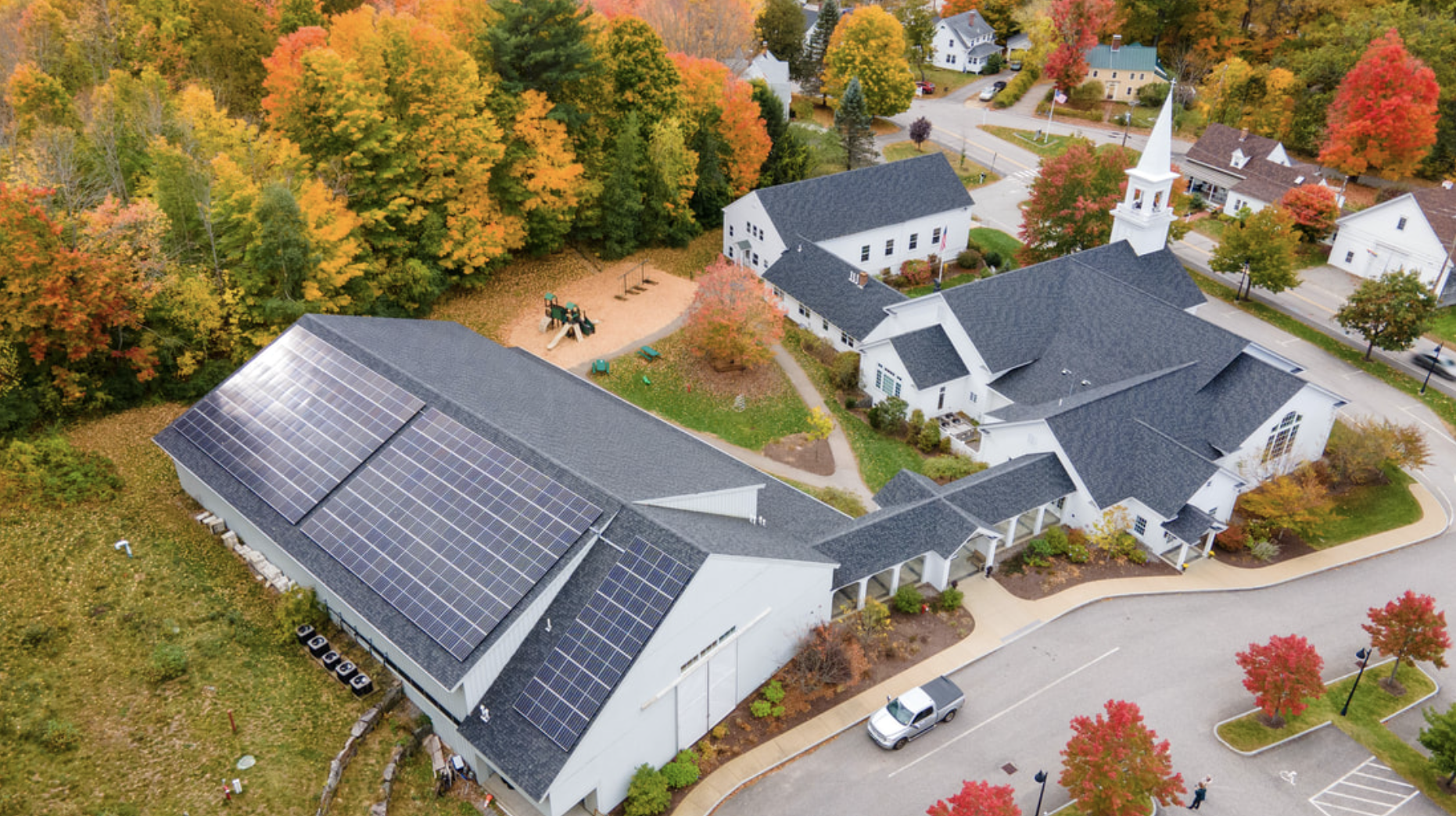
The key characteristics of solar photovoltaic systems and what makes a building a good fit.
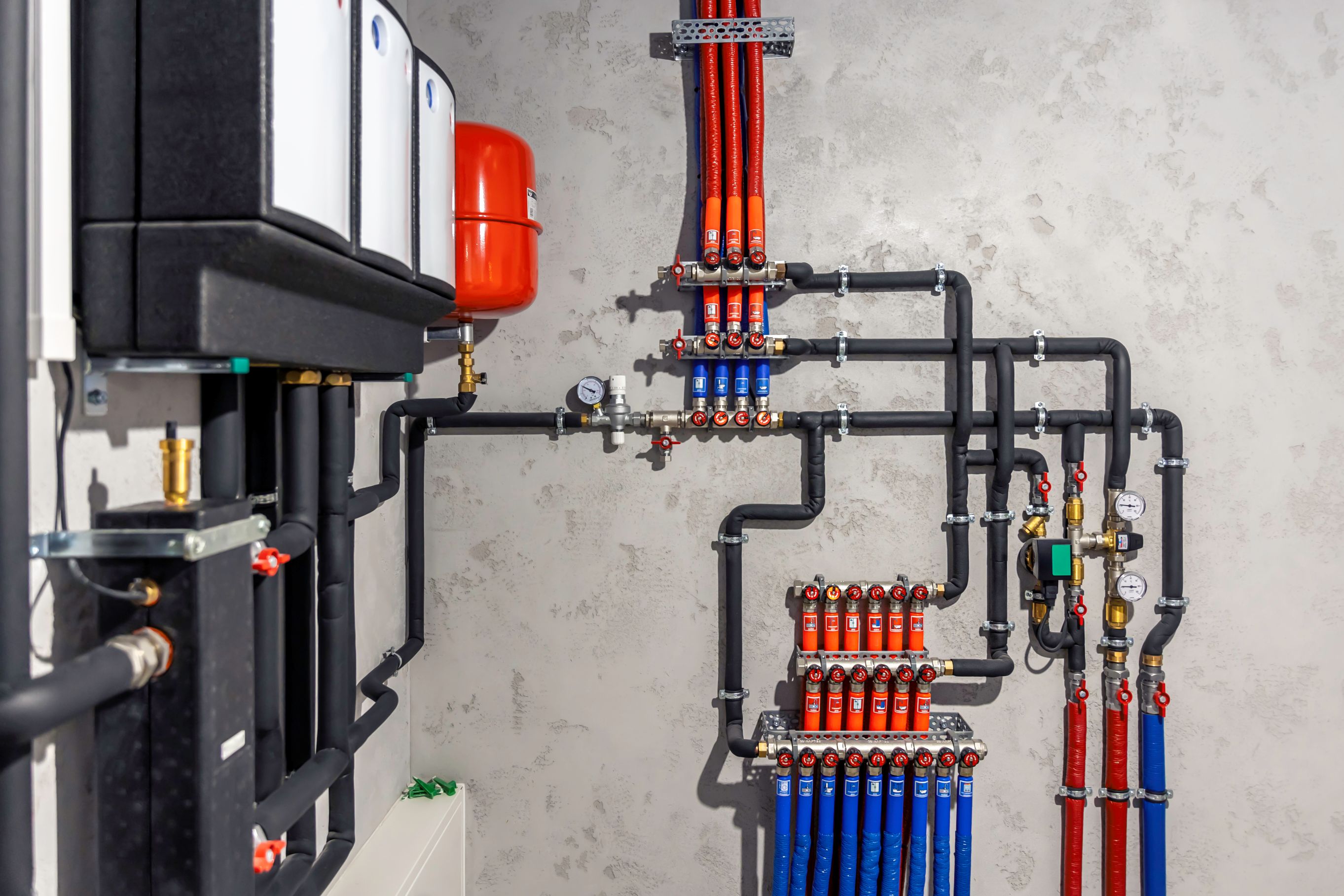
A step-by-step guide to exploring geothermal for your house of worship: how it compares with air-source heat pumps, the incentives that make it affordable, how to get started, what challenges to expect, and where networked geothermal is headed.
_page-normal.jpg)
Working through these 24 questions is one of the simplest ways to find where you can cut the most energy for the least effort.

