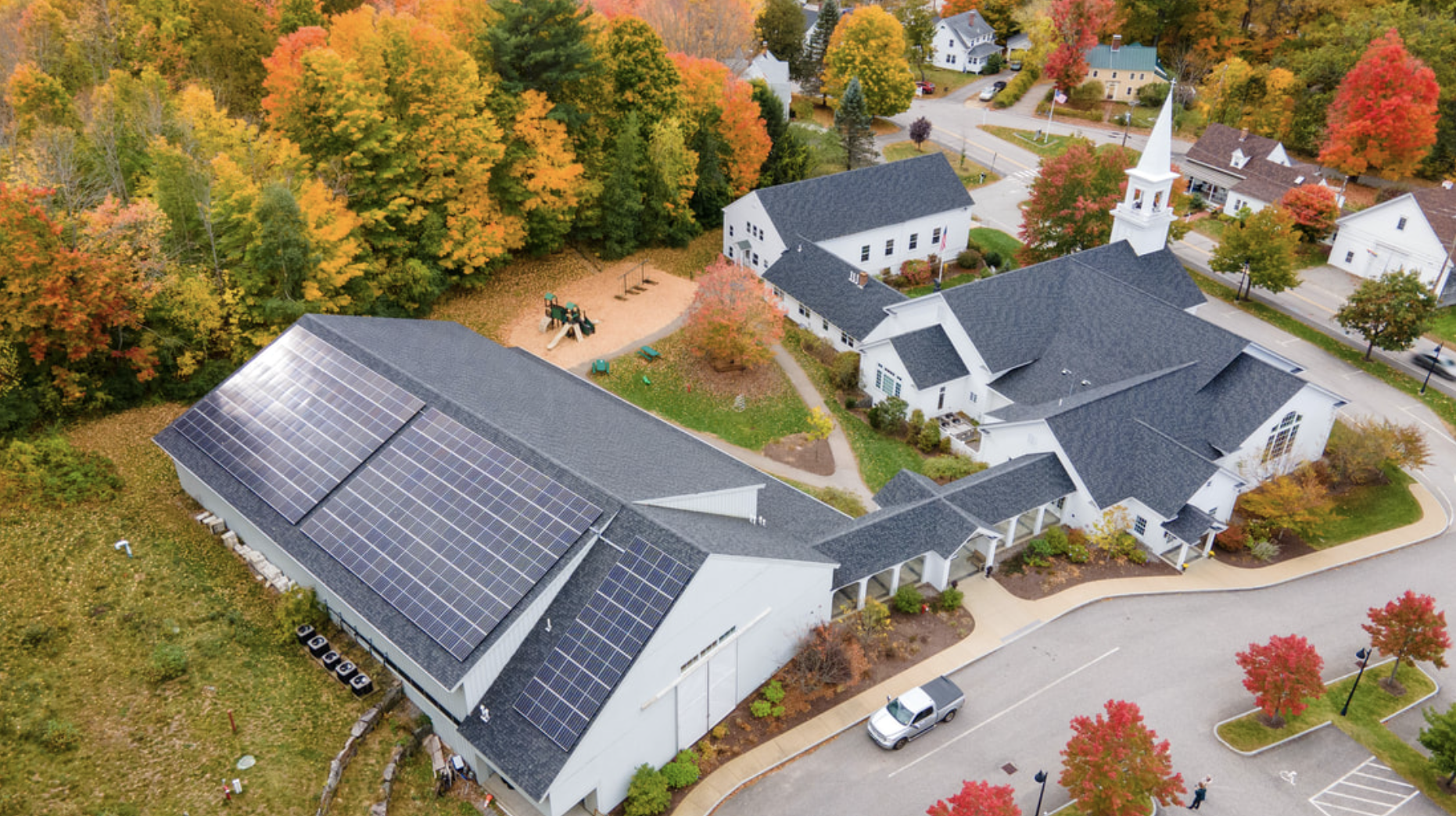


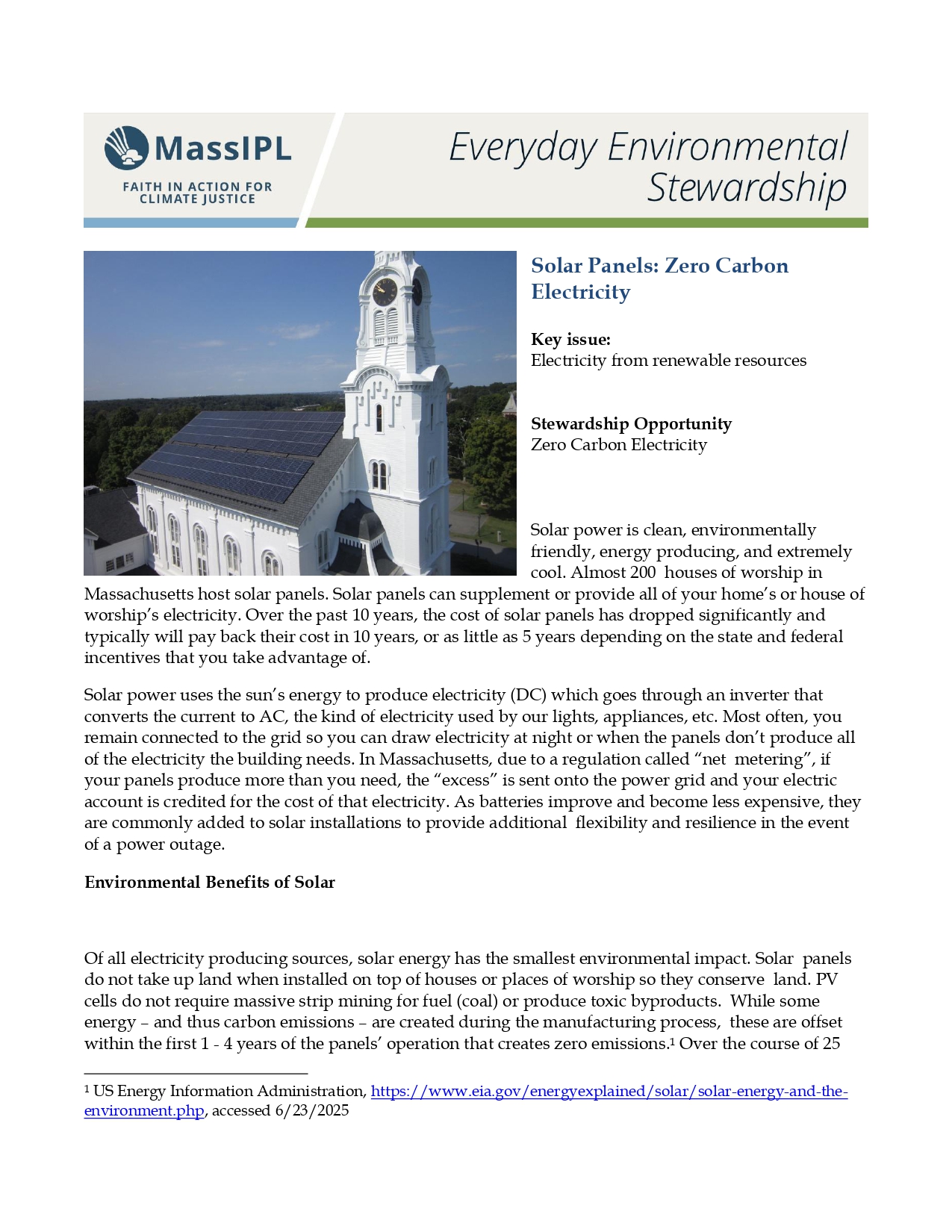
La energía solar es limpia, respetuosa con el medio ambiente, productora de energía y sumamente innovadora. Casi 200 lugares de culto en Massachusetts cuentan con paneles solares. Estos pueden complementar o proporcionar la totalidad de la electricidad de su hogar o lugar de culto. En los últimos 10 años, el costo de los paneles solares ha disminuido significativamente y, por lo general, la inversión se recupera en 10 años, o incluso en tan solo 5, dependiendo de los incentivos estatales y federales a los que pueda acceder.
La energía solar utiliza la luz del sol para producir electricidad (corriente continua), la cual pasa por un inversor que la convierte en corriente alterna, el tipo de electricidad que utilizan nuestras luces, electrodomésticos, etc. Por lo general, usted permanece conectado a la red eléctrica, lo que le permite obtener energía durante la noche o cuando los paneles no producen toda la electricidad que el edificio necesita. En Massachusetts, gracias a una normativa llamada "medición neta" (net metering), si sus paneles producen más de lo que usted consume, el "exceso" se envía a la red eléctrica y se abona el costo de esa electricidad en su cuenta. A medida que las baterías mejoran y se vuelven más económicas, se añaden frecuentemente a las instalaciones solares para proporcionar mayor flexibilidad y resiliencia en caso de un corte de energía.
De todas las fuentes de producción de electricidad, la energía solar tiene el menor impacto ambiental. Los paneles solares no ocupan terreno cuando se instalan sobre casas o lugares de culto, por lo que ayudan a conservar el suelo. Las células fotovoltaicas no requieren minería a cielo abierto a gran escala para obtener combustible (carbón) ni producen subproductos tóxicos. Aunque durante el proceso de fabricación se genera algo de energía —y, por tanto, emisiones de carbono—, estas se compensan durante los primeros 1 a 4 años de funcionamiento de los paneles, que generan cero emisiones.¹ A lo largo de 25 años, un sistema de paneles solares de 10 kilovatios evitará que aproximadamente 67 toneladas métricas de CO2 lleguen a la atmósfera. Esto equivale aproximadamente a conducir 170,000 millas en un automóvil.
Otra razón importante para instalar paneles solares es reducir el gasto de electricidad de su hogar o lugar de culto. Desde 2015, las tarifas eléctricas en Massachusetts han aumentado un 75%. Si usted adquiere los paneles, eliminará gran parte, si no la totalidad, de su factura eléctrica. Un sistema solar típico para un lugar de culto cuesta entre $75,000 y $100,000.
Existen varios incentivos fiscales disponibles a través de los gobiernos estatal y federal. El Centro de Tecnología de Energía Limpia de Carolina del Norte mantiene una excelente base de datos de estos incentivos: la Base de Datos de Incentivos Estatales para Energías Renovables y Eficiencia (DSIRE). Haga clic en este enlace y seleccione Massachusetts en el mapa: https://www.dsireusa.org/. Con la aprobación de la Ley de Reducción de la Inflación en 2022, las organizaciones sin fines de lucro pudieron aprovechar estos créditos mediante una disposición conocida como "pago directo"; sin embargo, esta disposición solo está disponible hasta finales de 2027. Pero incluso cuando este incentivo expire, la reducción en los costos de electricidad permitirá recuperar la inversión en una instalación de paneles solares en un plazo de 8 a 9 años.
Si su organización no puede costear la compra de los paneles, las opciones de financiamiento, como un arrendamiento o un acuerdo de compra de energía, suelen ahorrarle entre un 10% y un 20% en su factura eléctrica. (Consulte el recurso de MassIPL sobre Financiamiento de paneles solares.)
Al instalar un sistema de energía solar, los dos enfoques más comunes son los paneles montados en el techo y los montados en el suelo. Cada uno tiene sus propias ventajas, costos y consideraciones de diseño.
Un sistema solar consta de dos componentes principales:
Ya sea para su hogar o su lugar de culto, existen algunas características importantes que el edificio debe reunir:
¡Cuanto más cerca pueda estar de generar el 100% de su electricidad a partir de sus paneles solares, mejor! Comience por comprender cuánta electricidad consume cada año; el consumo en kWh de los últimos 12 meses suele aparecer en su factura eléctrica. Luego, el tamaño de su techo es un factor limitante: cuando un instalador solar prepare una propuesta, mostrará el tamaño del sistema y estimará la cantidad de kWh producidos anualmente. Finalmente, considere cómo podría cambiar su uso de electricidad en el futuro: ¿hay proyectos de eficiencia energética que pueda realizar para reducir el consumo? ¿Instalará bombas de calor para climatizar el edificio en los próximos años, lo que aumentará su consumo eléctrico?
Si le entusiasma la idea de que su lugar de culto instale paneles solares, tome la iniciativa para organizar los esfuerzos necesarios. Estos son los pasos que recomienda MassIPL:
Aunque instalar paneles solares en su lugar de culto es un proyecto importante, tiene muchos beneficios y es muy viable. MassIPL está aquí para ayudarle a dar este paso fundamental en la lucha contra el cambio climático y el cuidado de la Creación.
¿Desea imprimir, compartir o ver este artículo sin conexión? Haga clic en el enlace a continuación para descargarlo como un archivo independiente.
.png)
Las recientes mejoras en eficiencia hacen que las bombas de calor de fuente de aire sean una excelente opción al momento de reemplazar una caldera o un horno. Descubra cómo se comparan sus costos y su huella de carbono con los del petróleo o el gas.
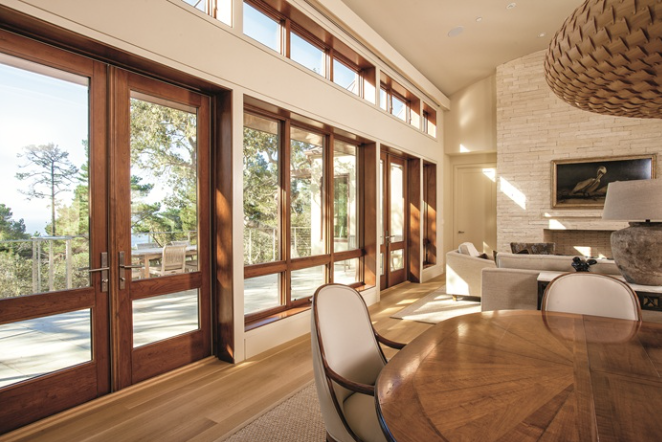
Guía paso a paso para instalar ventanas contra tormentas cuando reemplazar una ventana es imposible, poco práctico o costoso.
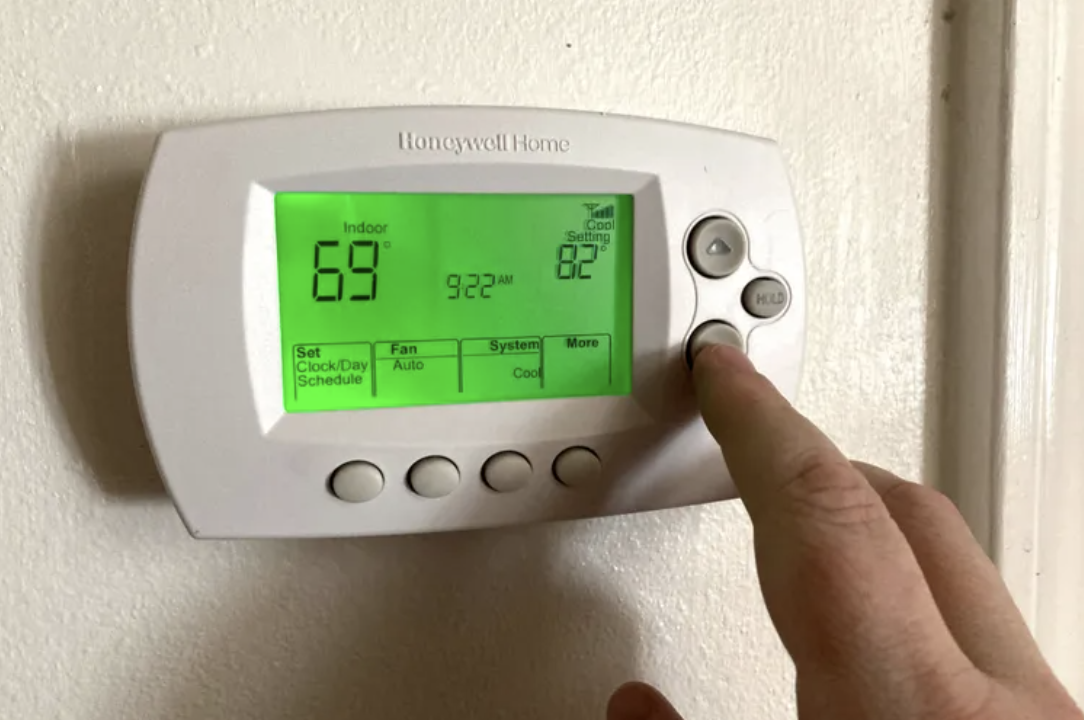
Una forma sencilla y eficaz de reducir los costes de calefacción y refrigeración de su edificio.

