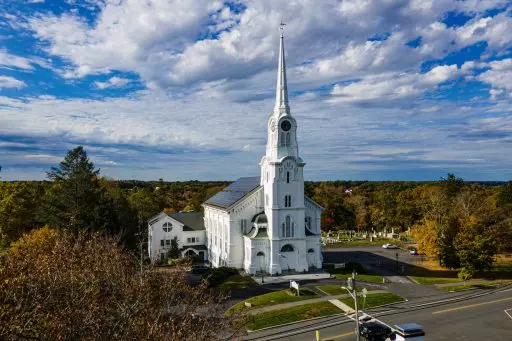


For many years, South Church has had an active Green Team which promotes creation care. From bringing renowned author and environmental activist Bill McKibben in to speak, to working with environmental interns from Andover High School, the Green Team is invested in building working relationships with the broader community. In this vein, members of South Church were instrumental in guiding the Town to install a solar panel on the roof of Doherty Middle School several years ago, made possible with funds provided by the former Mass. Technology Collaborative.
In October 2011, South Church began to look closely at installing solar photovoltaic (PV) panels on their roof to generate electricity. Vendors had started to advertise systems with Power Purchase Agreements (PPAs) in which the host (the church) simply provided the space and agreed to purchase the solar power produced, at a discounted rate. The owner paid for the system—designed, installed, and maintained it—and collected the tax benefits and the Solar Renewable Energy Certificates (SRECs).
South Church contacted Massachusetts Interfaith Power & Light, who recommended several contractors with expertise in installing solar PV systems. South Church then requested proposals from three contractors and evaluated them for cost savings, the experience and reputation of the designer/installer, the quality of the equipment, and the warranties. They selected SunBug Solar, and have been completely satisfied with their service.
As soon as South Church had preliminary proposals in hand, relevant church boards were brought into a conversation regarding the various benefits and risks, and members of the congregation were consulted in order to determine the best option. In April 2012, a proposal was selected. South Church obtained approval from the Historic Commission to move forward, and the system was then installed.
The results thus far are impressive, both from a creation care and a cost-saving standpoint!
The system produces about 92% of South Church's electricity needs. When it produces more than the church needs, the utility gives them a credit on their bill for other months.
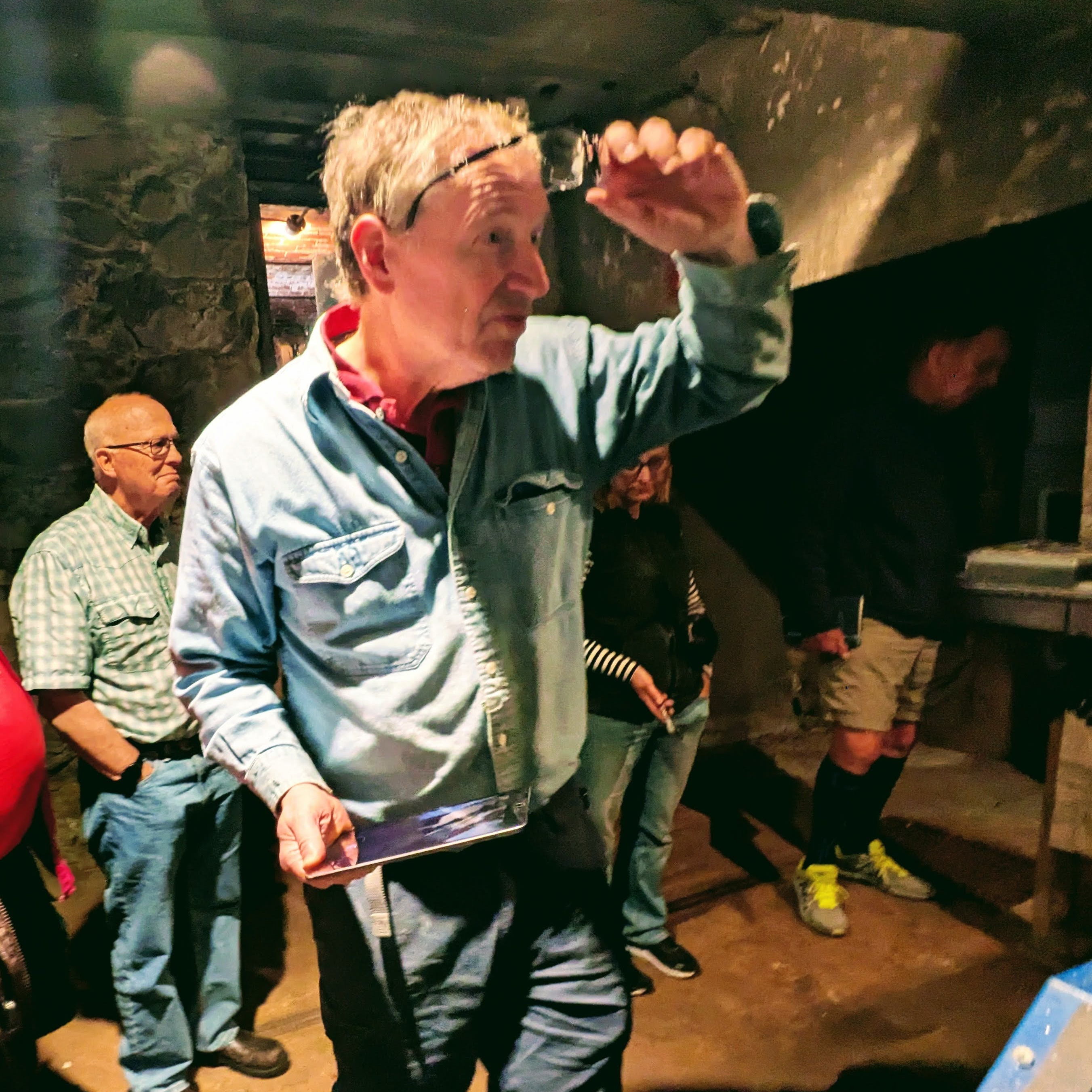
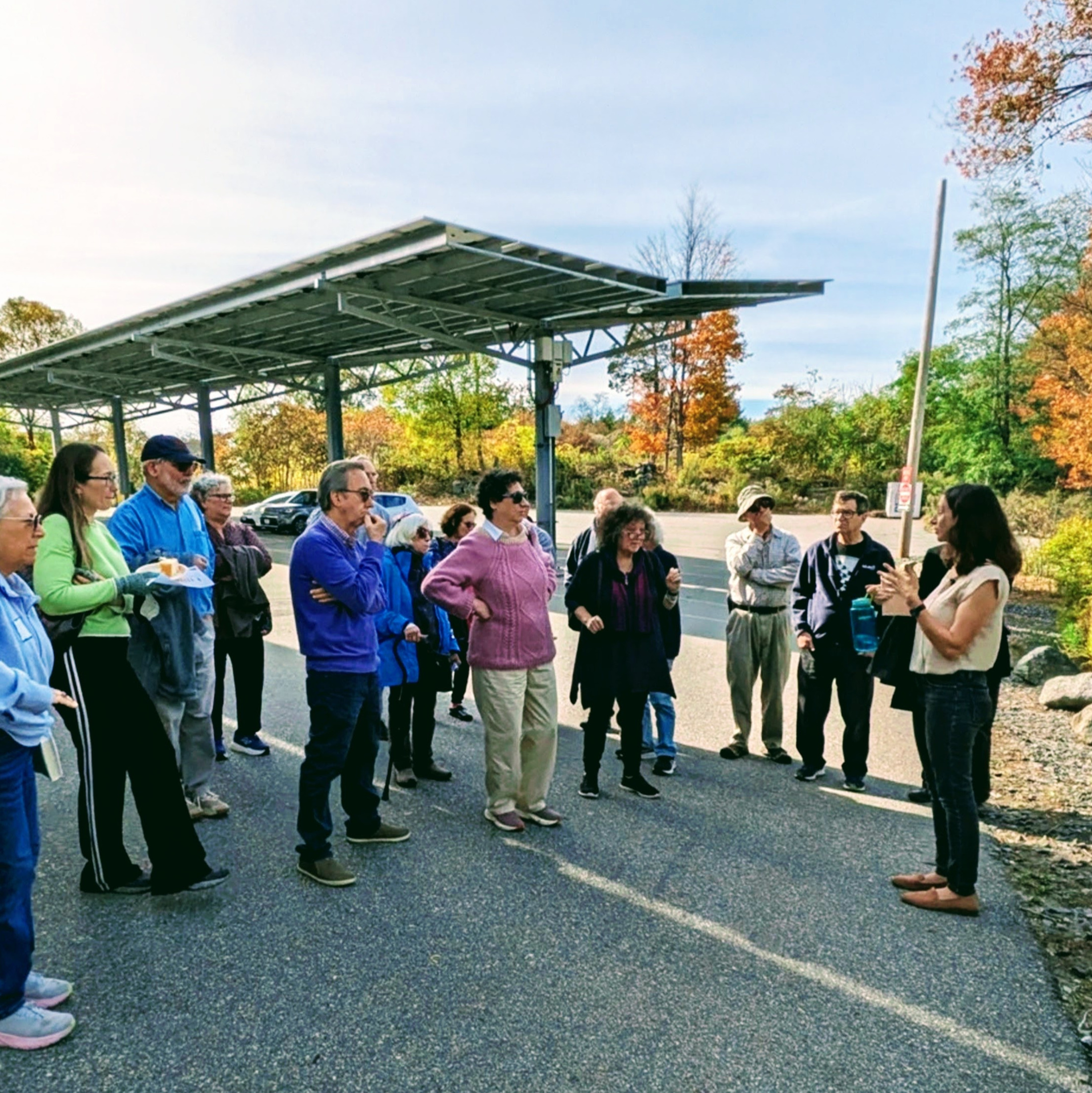
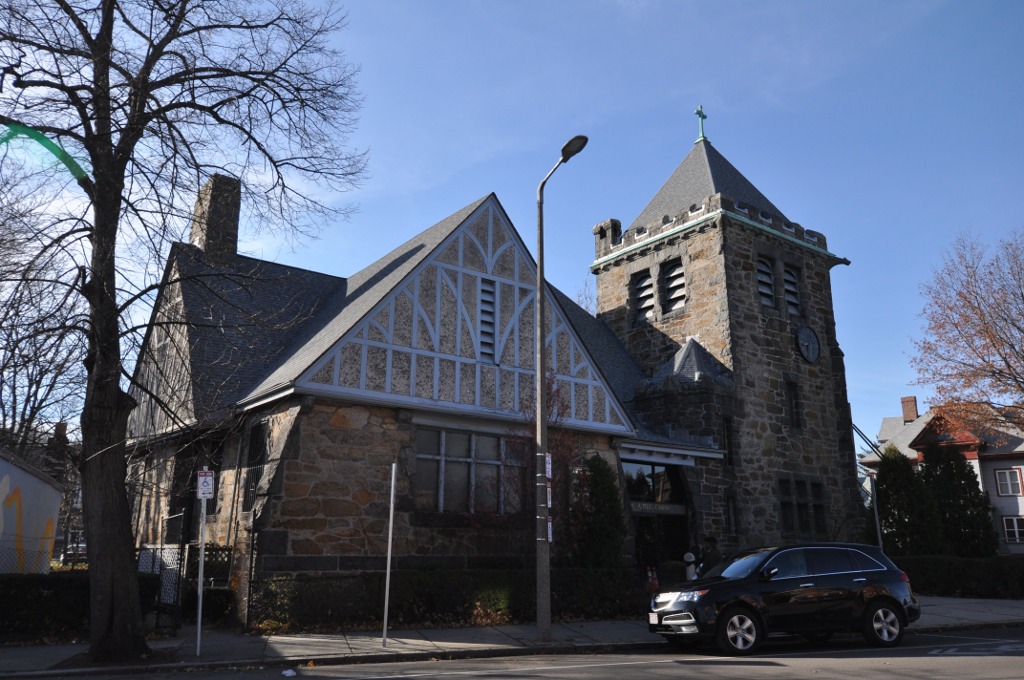
Charles Street AME Church began its environmental journey by improving energy efficiency in its historic building, starting with practical upgrades like insulation, storm windows, efficient lighting, and hot water adjustments to reduce both costs and environmental impact.
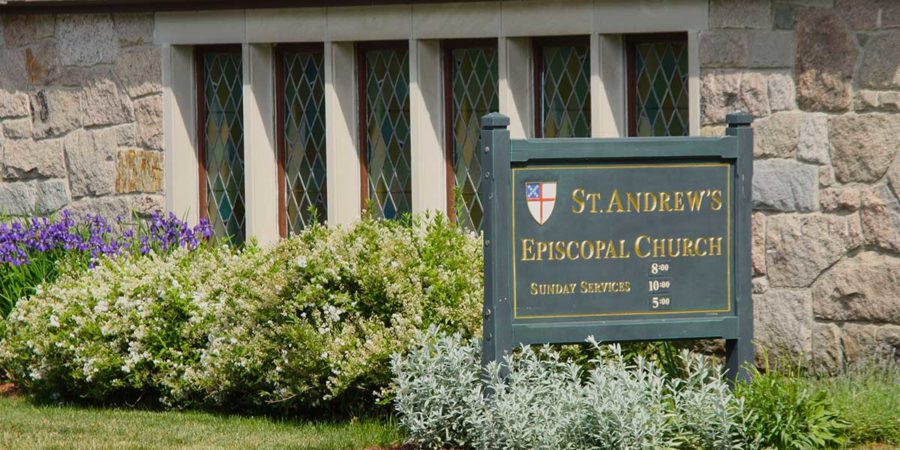
By replacing its old oil-fired steam system with high-efficiency gas boilers, new windows, and smart heating controls, St. Andrew's Episcopal Church in Wellesley cut heating costs by 67% and reduced carbon emissions by 188,000 pounds.
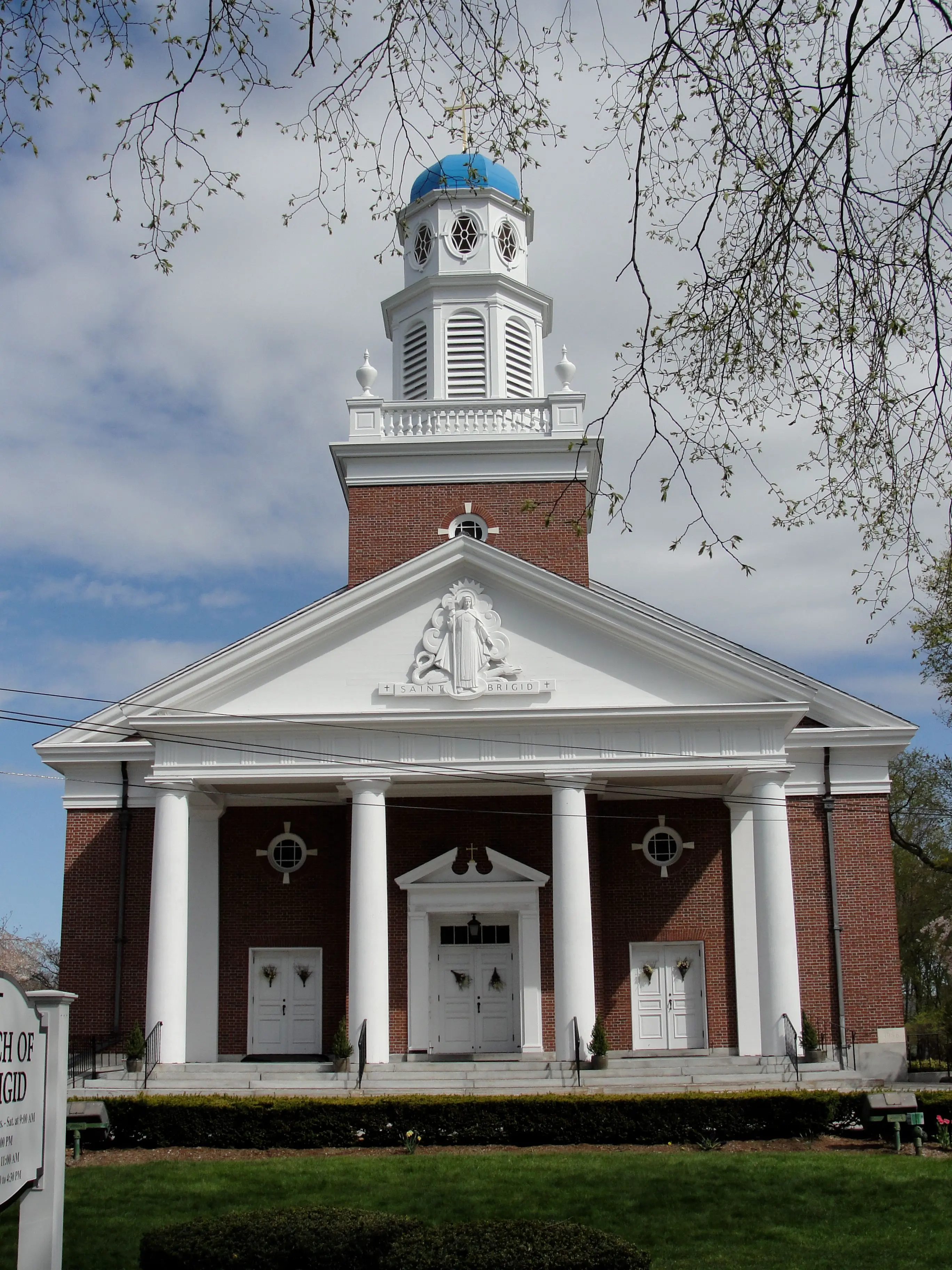
Since 2011, St. Brigid's Parish in Lexington has cut its carbon footprint and energy costs sharply, lowering heating expenses by more than 50%, reducing emissions by 53 metric tons a year, and saving $32,000 annually through insulation, efficient lighting, and cleaner heating systems.

