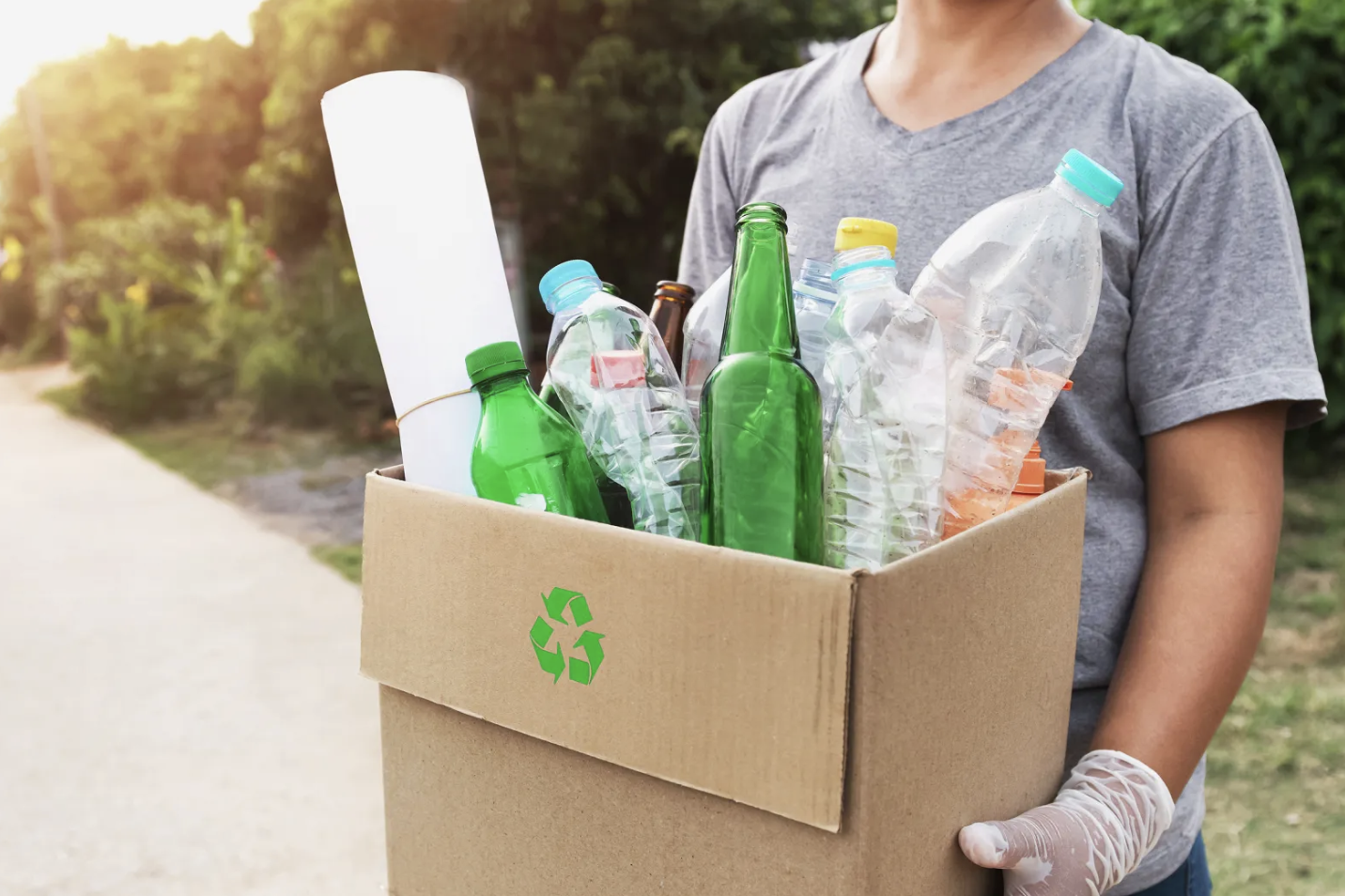


The Earth does not have an endless supply of raw materials. Unfortunately, modern consumerism does not take this fact into consideration. The average American consumer will throw out 1,825 pounds of trash per year, making the United States the largest producer of trash in the world. First and foremost, it is important to make efforts to reduce our consumption. Reducing the amount we buy reduces the amount of waste we produce, especially since not all waste can be recycled. Even when materials are recyclable, recycling is still a process that takes energy and resources. Only once we have made efforts to reduce our consumption and reuse existing materials should we look to recycle all waste that can be recycled.
Recycling is by no means a new concept. Humans have been doing it for centuries, although most recycling took place during times of war and recession. However, recycling has recently become much easier and widespread, thanks to new technologies, new methods of transportation, and awareness campaigns.
When resources are recycled, there is less demand for exhuming raw materials from the Earth, causing less disruption and damage to the environment. Currently only 32% of waste in the US is recycled or composted, leaving a huge opportunity for saving resources and reducing landfill area.
Many towns in Massachusetts now have curbside single-stream recycling. Residents sort their waste into trash and recycling (and sometimes compost!) and a company truck comes weekly to pick up the recycling. Sometimes towns pay for waste hauling. If your town does not provide waste hauling, you can pay a private company to haul your waste, or bring it to a local recycling facility yourself. Waste haulers transport recycling to a materials recovery facility, where it gets sorted, processed, and eventually sold as recycled material.
Unfortunately, the cost of recycling has increased in recent years. Increases in cost are in part due to changing markets for recycled materials. Another huge source of increased costs for recyclers is contamination. Contamination of recycled materials occurs when consumers throw dirty items in the recycling, such as food containers that still have food on them. Any can or jar that one wants to recycle should be rinsed clean before recycling it. Another source of contamination is "wish-cycling." Wish-cycling occurs when consumers do not know if a product can be recycled or not, and choose to throw the item in the recycling. If the item cannot be recycled, it contaminates the whole batch of recycling, and the batch must be transported to a landfill. Wish-cycling increases costs and contributes to more material being landfilled than is necessary.
In order to keep recycling feasible and take care of our waste responsibly, it is vital to sort waste correctly. Labels on products are not a reliable way to determine what is recyclable. Because the recycling symbol is not regulated, any company can put it on their product to seem eco-friendly, regardless of if the product is recyclable or not. Further, different cities and towns in different parts of the country are able to recycle different materials. Look for information from your town or local recycling facility for help on what you can recycle. In Massachusetts, go to https://recyclesmartma.org/ for helpful information on recycling.

All Massachusetts recycling programs accept metal cans, plastic bottles, jars, jugs, and tubs, glass bottles and jars, and mixed paper, cardboard, and newspaper. Replacing the cap on plastic jars, bottles, and tubs is important for the recycling process, both to help identify objects and because most plastic caps are too small to recycle on their own and will gum up the works of sorting and processing machines.
Every item that cannot be recycled should not automatically go to the trash. Some materials are hazardous and cannot be disposed of with other trash materials. Examples of hazardous waste products include appliances, batteries, electronics such as computers and cell phones, fluorescent bulbs, paint, propane, auto oil, antifreeze, ink cartridges, prescription medications, and more. Aerosol cans can usually be thrown in the trash, but only if they are completely empty. Most towns have certain days or facilities for hazardous waste disposal. Look up information from your town, or go to https://www.mass.gov/info-details/safely-manage-household-hazardous-products for more information on hazardous waste disposal. Improper disposal of hazardous waste can be highly dangerous to waste treatment workers and can cause serious environmental contamination.
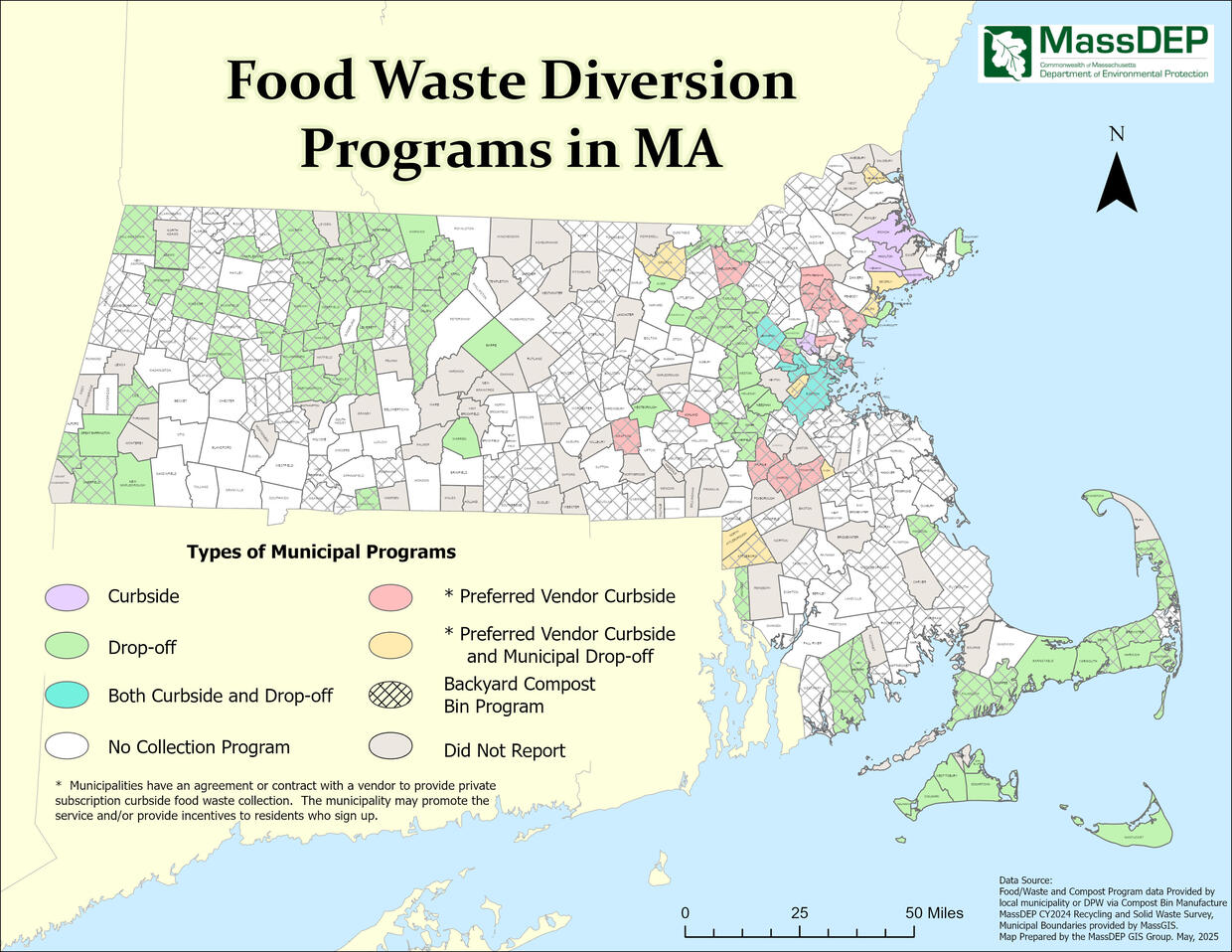
Another way to divert waste from landfills is to compost food waste. The average American throws out 325 pounds of food every year. Food is the biggest component of US landfills, yet it can be disposed of in a much more regenerative way. Compost is nutrient-rich fertilizer that can be used in farms and gardens instead of artificial fertilizers that pollute waters by causing algal blooms due to runoff. Some municipalities have curbside compost pickup, and some have town facilities where one can drop their compost. If your town has drop-off compost, simply buying a 5-gallon bucket and some compost bags can be an easy way to collect and drop off compost. Composting also does not require an industrial facility! Using a compost bin, you can create your own compost that you can use in a garden or give to your friends and family with a green thumb. To see if you can receive a compost bin at a reduced cost, go to https://www.mass.gov/info-details/ask-your-municipality-about-a-low-cost-compost-bin.
The most important step we can take to manage our waste is to create less of it! Once we have made genuine efforts to lower our consumption and production of waste, it is important to sort our waste diligently into recycling, compost, hazardous materials, and trash.
Want to print, share, or view this article offline? Click the link below to download it as stand-alone file.
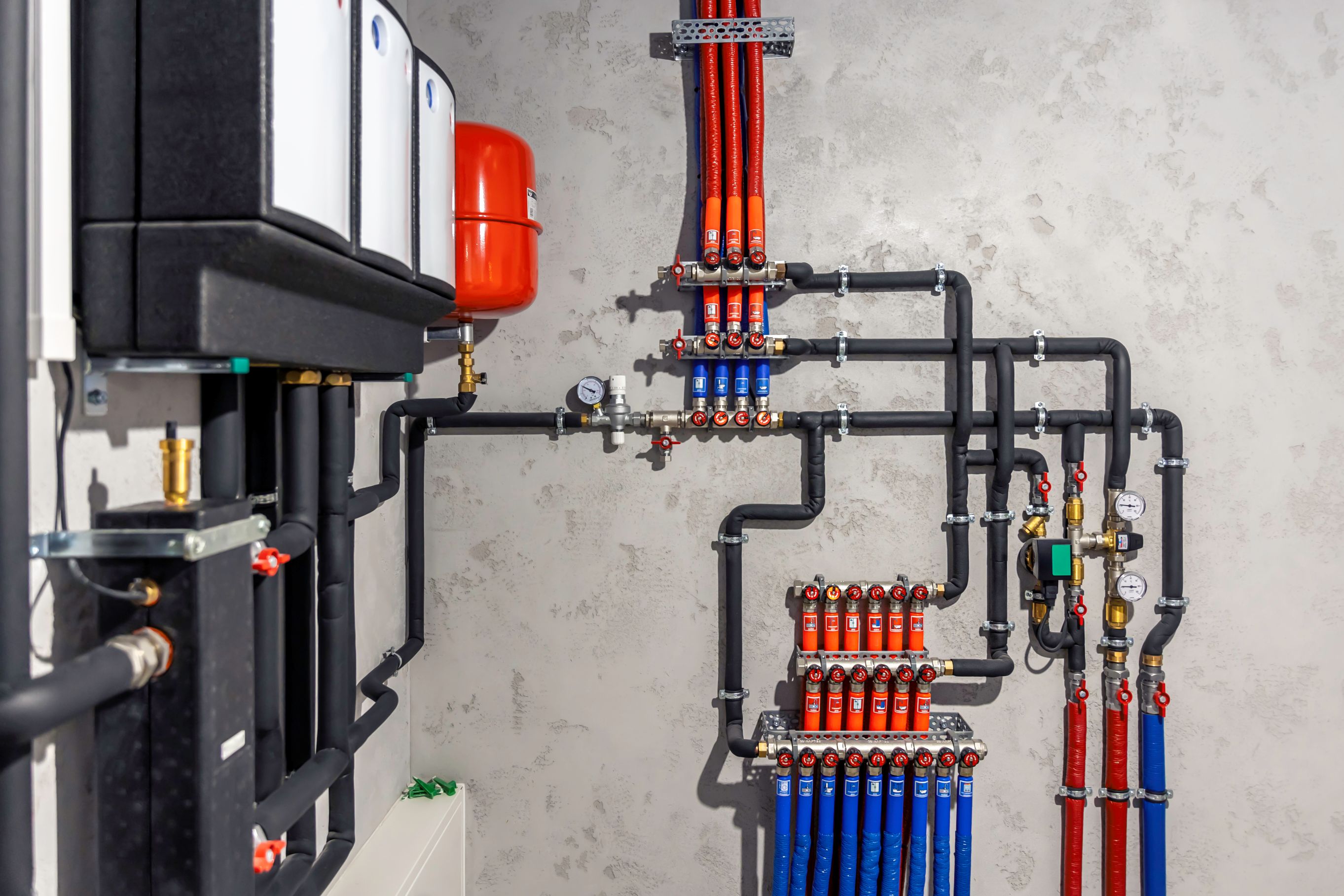
A step-by-step guide to exploring geothermal for your house of worship: how it compares with air-source heat pumps, the incentives that make it affordable, how to get started, what challenges to expect, and where networked geothermal is headed.
.png)
An introduction to how ground-source heat pumps work, how they compare with air-source heat pumps, and why they may offer long-term sustainability and financial benefits.
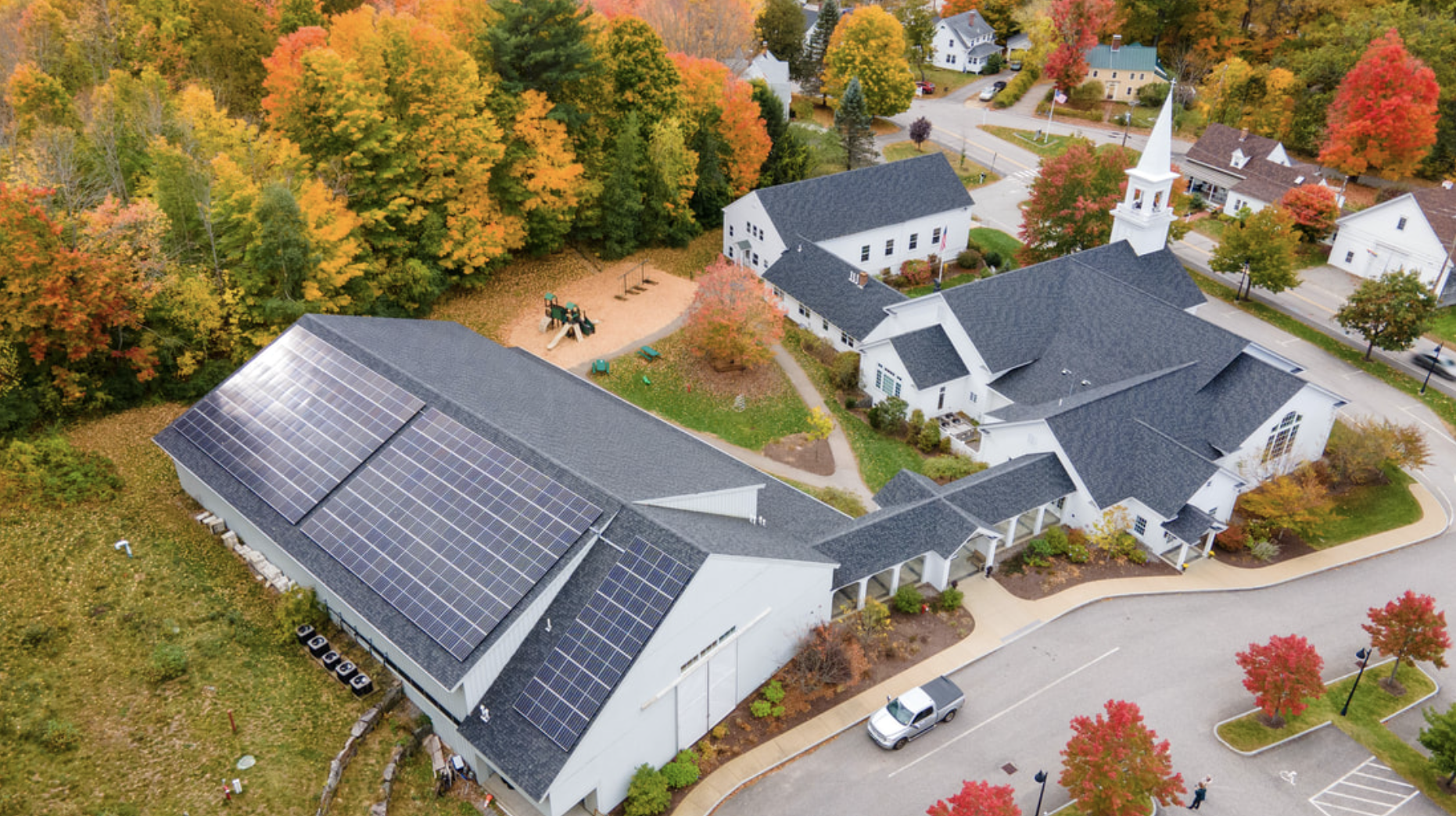
The key characteristics of solar photovoltaic systems and what makes a building a good fit.

