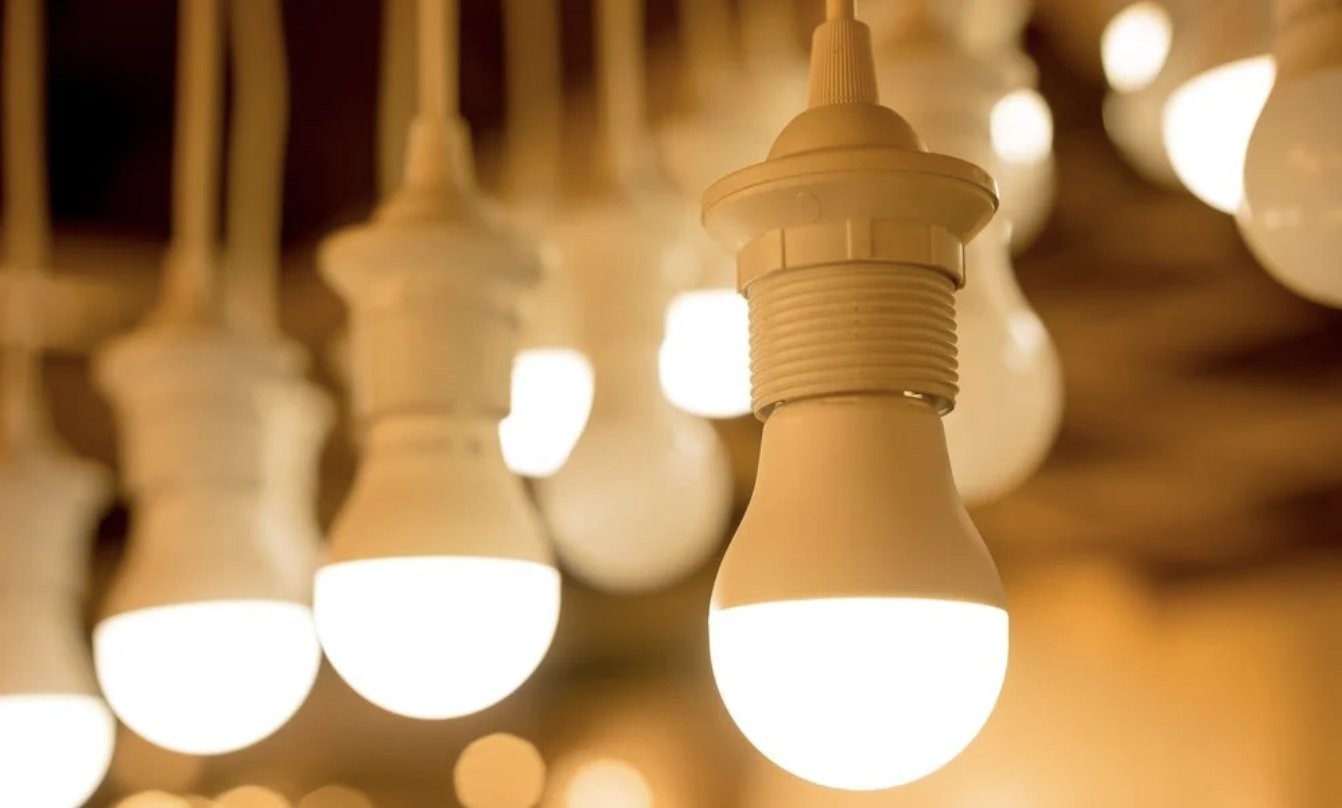


Since the start of the century, LED lighting has dominated the lighting market. LED bulbs (an acronym for Light-Emitting Diodes) have become popular due to their energy efficiency, long lifespan, and cost effectiveness. Although many houses of worship are old, historic buildings that may have once used halogen, incandescent, or fluorescent bulbs, it is very easy, not to mention cost effective and environmentally friendly, to switch old bulbs out for LEDs.
Incandescent bulbs produce light when an electric current runs through a wire inside the bulb’s glass globe. The current causes the wire to heat up and glow. Fluorescent bulbs (including CFLs) emit light when electricity excites a mix of gases inside the bulb, creating invisible ultraviolet light that is absorbed by the bulb’s fluorescent coating and transformed into visible light. LED bulbs (Light-Emitting Diodes) generate light when electricity flows through an electronic component called a diode. Since LEDs do not scatter light and energy, they are more light and energy efficient than either incandescent or fluorescent bulbs.
Due to their high energy inefficiency, certain types of incandescent and fluorescent bulbs have been phased out due to local and state regulations. Currently, LED bulbs are the most common bulbs for both commercial and residential purposes. LEDs come in an extremely wide variety of forms, allowing them to meet the specifications of virtually any fixture.
LED lights can be up to 90% more efficient than incandescent lights, and 80% more efficient than fluorescent lights. Whereas older bulbs lose most of the energy they consume to heat, LEDs use about 95% of the energy they consume to produce light. Due to this high efficiency, LEDs save money in electricity costs as they use less electricity to produce the same amount of light. These energy savings also help reduce carbon emissions if your electricity comes from fossil fuels. If your electricity is renewable, it places less demand on your renewable sources.
LED bulbs also last much longer than other types of bulbs, reducing the time, effort, and cost of replacing burned-out bulbs. LED bulbs can last 10–25 times as long as incandescent and halogen bulbs, and 3–5 times longer than fluorescent bulbs. While LED bulbs tend to be a few dollars more expensive than incandescent bulbs used to be when they were on the market, this cost is quickly recouped by the fact that LED bulbs do not have to be replaced nearly as often. Beyond the replacement cost of the bulbs, less frequent need for replacement is particularly helpful in houses of worship, which may have very high ceilings and fixtures in difficult-to-reach places.
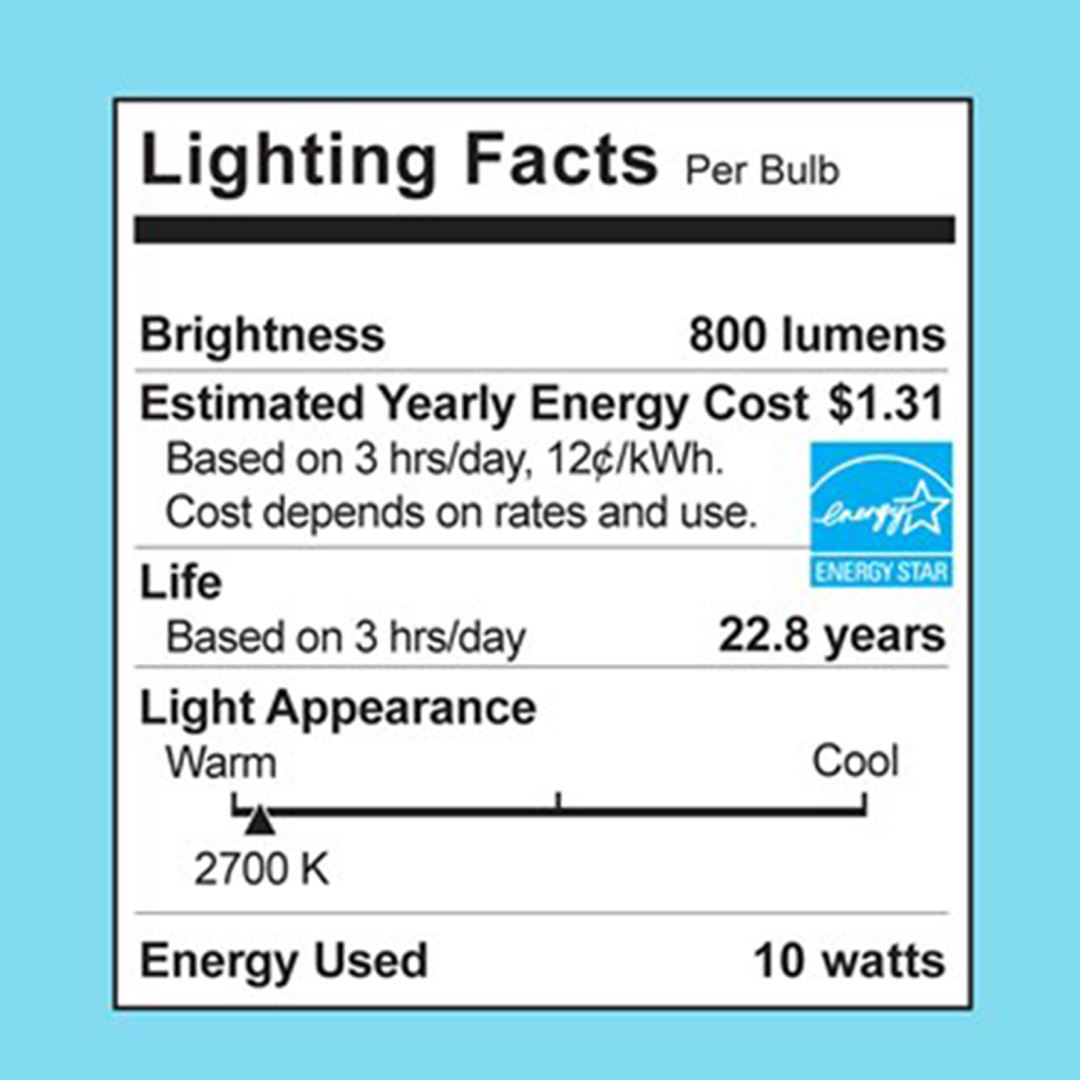
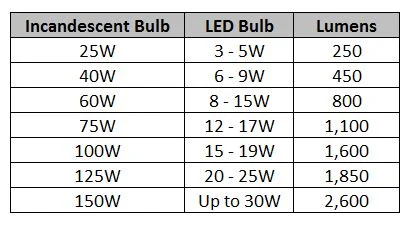
When replacing an older incandescent or fluorescent bulb with an LED, it can be difficult to figure out which bulb to buy since LED bulbs use different metrics to describe brightness. In incandescent bulbs, wattage is a stand-in for the brightness of a bulb, even though wattage actually measures the power consumed by the bulb. Lumens measures the brightness of a bulb, and is the best metric to use for LEDs. Finally, Kelvin is used to measure the color of light given off, with lower Kelvin indicating warmer, orange- and yellow-toned light, and higher Kelvin indicating bluer light. All lightbulbs should have a “Lighting Facts” panel that contains all the information about the bulb.
In order to convert wattage from an older bulb to lumens, use this guide:
When choosing the light appearance/color of a bulb, consider what the space you are lighting is being used for. Sanctuaries or chapels might call for softer warm lighting, while offices, kitchens, or classrooms might call for brighter, cooler light, which is better in areas where precise tasks and clear vision are necessary.
Finally, different fixtures have different ways to attach bulbs. When buying a bulb, make sure that the base of the bulb fits your fixture.
Recently, some have expressed concerns over exposure to blue light, which may be intensified coming from LEDs. However, a literature survey published in 2023 in the journal Ophthalmology and Therapy wrote that there is no conclusive evidence that blue light exposure from LEDs at current domestic levels is harmful to one’s eyes. More concerning for eye health is blue light exposure from looking at electronic devices such as cell phones or laptops.
Last Updated: 8/5/2026
Want to print, share, or view this article offline? Click the link below to download it as stand-alone file.
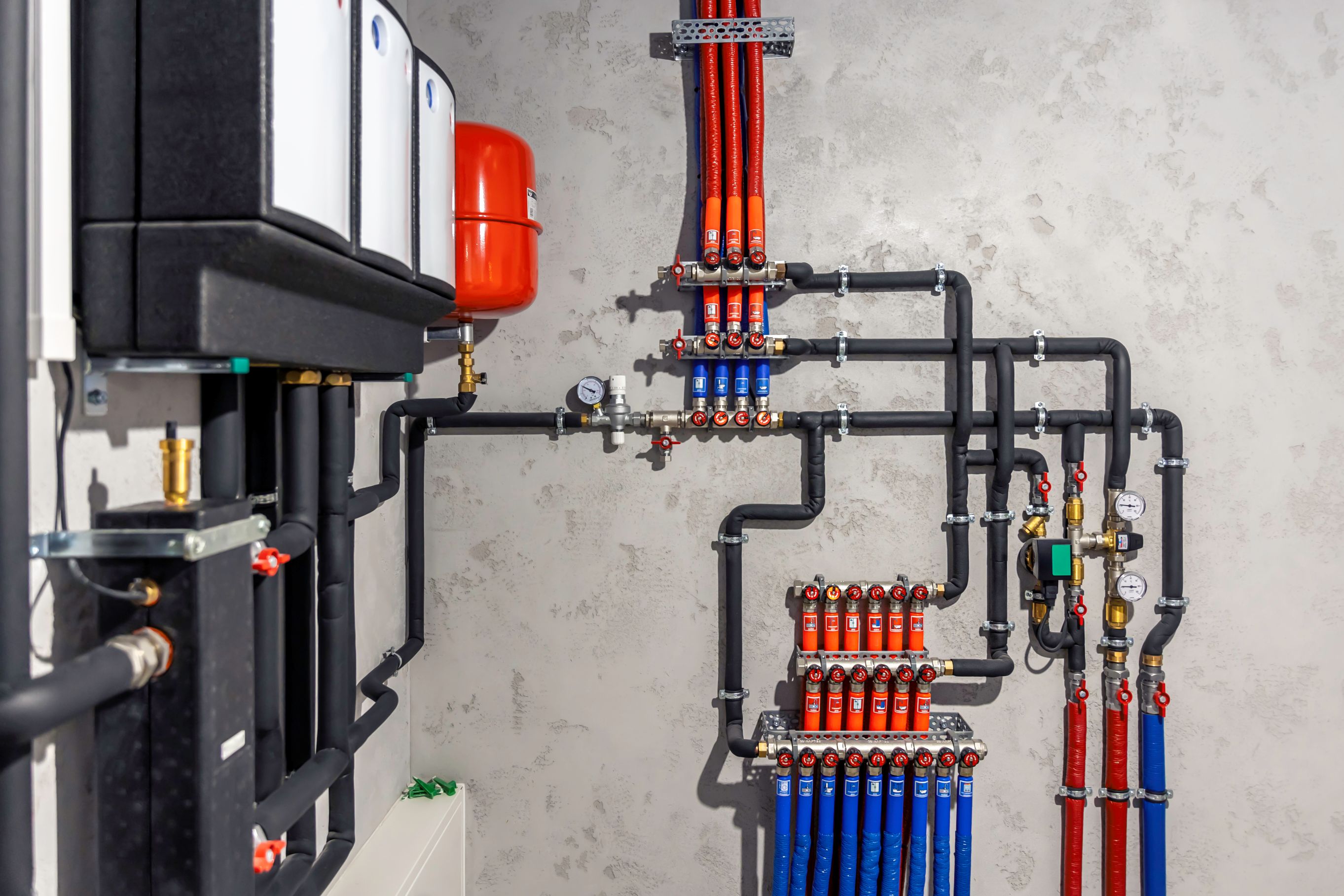
A step-by-step guide to exploring geothermal for your house of worship: how it compares with air-source heat pumps, the incentives that make it affordable, how to get started, what challenges to expect, and where networked geothermal is headed.
.png)
An introduction to how ground-source heat pumps work, how they compare with air-source heat pumps, and why they may offer long-term sustainability and financial benefits.
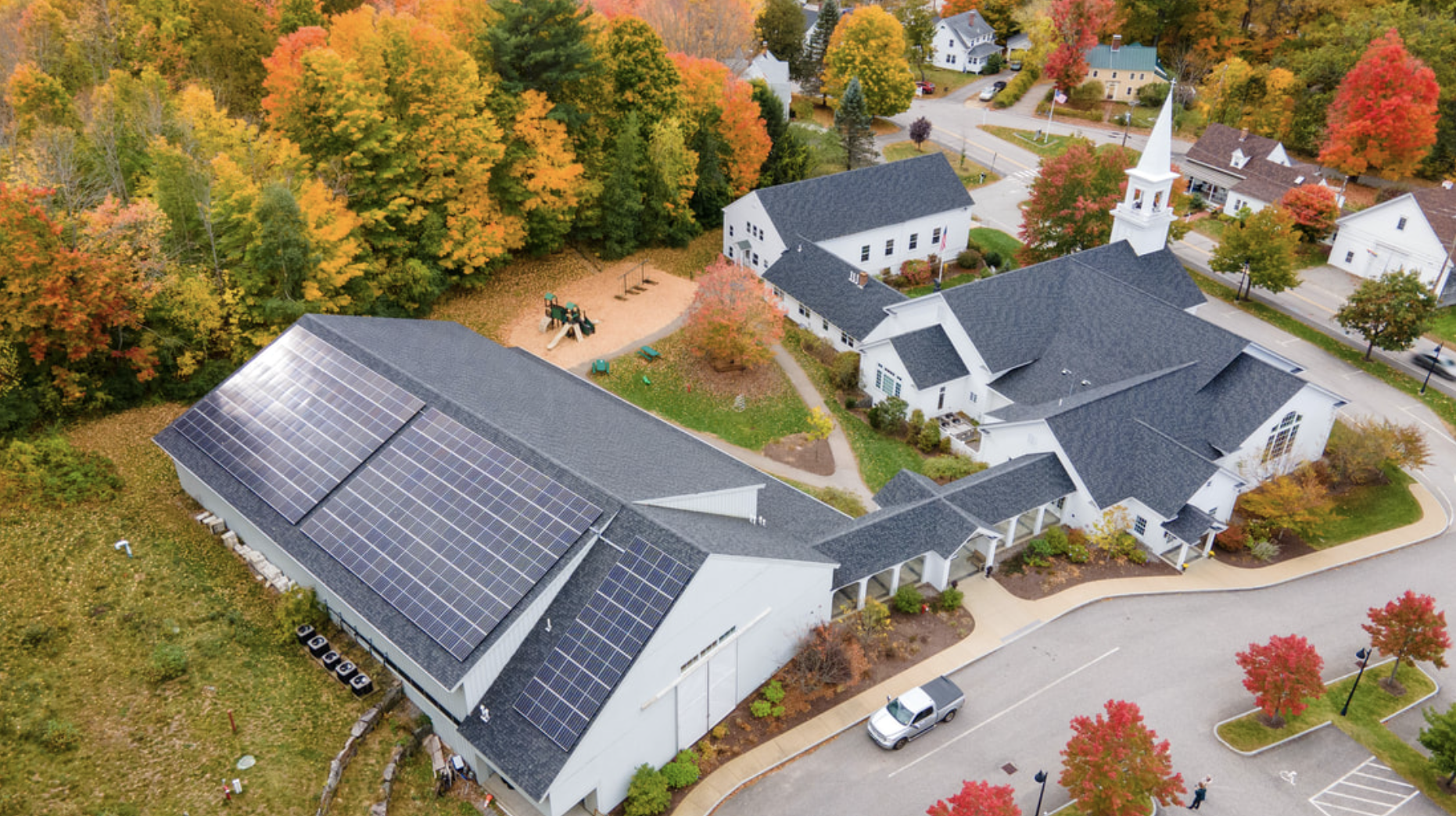
The key characteristics of solar photovoltaic systems and what makes a building a good fit.

