

A carbon footprint is the measure of your impact on the climate, measured in the amount of CO2 produced by each of your daily actions. The carbon footprint of your house of worship is the amount of carbon dioxide produced by running your house of worship, from heating and cooling to lighting and powering electrical appliances. In order to reduce the impacts on the environment we have as individuals and faith communities, we want to get as close to carbon neutral as possible, meaning that the amount of carbon we are putting out into the environment is the same as the amount of carbon that we are absorbing. Because the vast majority of us are not making any direct efforts to absorb carbon, we want to reduce our carbon footprint as much as possible.
There are many ways to decrease our carbon footprints, both as individuals and as houses of worship. MassIPL has many guides and congregational success stories detailing how to switch to renewable electricity, sustainably heat and cool buildings, and choose energy-efficient lighting and appliances. As an individual, you can also consider what food you are eating and where it comes from, and what transportation decisions you are making. MassIPL has a guide to quantifying utility use and costs in order to identify opportunities to reduce your carbon footprint and save costs. As much as you try to reduce your carbon footprint, there will likely be some carbon emissions that are unavoidable. Only once one has made diligent efforts to reduce their footprint as much as possible should carbon offsets be considered.
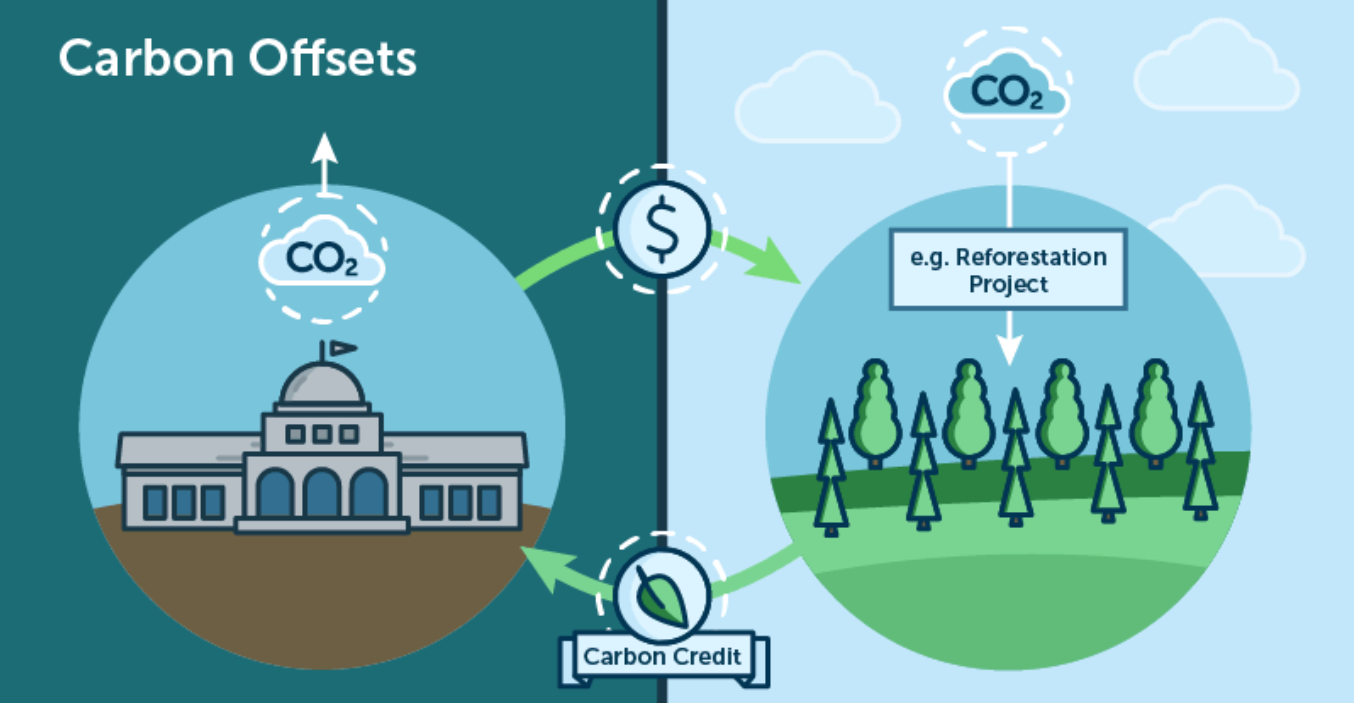
Carbon offsetting is a way to take carbon out of the atmosphere, to make up for the carbon that one is putting into the atmosphere. A basic example of a carbon offset is planting a tree, which takes CO2 out of the atmosphere and stores it. If your home or congregation has the space to plant trees, they can be a great way to take carbon from the atmosphere! However, most carbon offsets come from external companies, where one purchases units of carbon equivalent to the amount of carbon they output, and the company promises to store that amount of carbon.
Carbon offsets have been controversial as they can be a method of “greenwashing”: appearing environmentally friendly while doing little to actually reduce carbon emissions or make a serious effort to reduce environmental impact. Organizations and individuals are able to buy carbon offsets, which are often relatively cheap, and continue emitting as much carbon as they would like while claiming “neutrality” using their offsets. While carbon offsets can be a helpful tool for making an impact, it is important to reduce as much carbon as possible before using offsets. If you do purchase carbon offsets, it is important to make sure that you are purchasing offsets that have strong standards and third-party verification.
There are a number of organizations that provide third-party verification for carbon offsets, helping to ensure that carbon offsets are reputable and that the consumer’s money is going toward the intended purpose of reducing carbon emissions. Some examples of organizations offering certifications include Green-e, Gold Standard, Verra, and the American Carbon Registry. The Integrity Council for the Voluntary Carbon Market (ICVCM) offers 10 criteria that make up a good carbon offset:
Here are some options for reputable offsets, if you choose to use them:
Terrapass: Terrapass offers renewable energy credits (RECs) and carbon offsets to individuals and businesses. Terrapass’ offsets fund projects such as reforestation, landfill gas capture, orphan oil well closure, industrial emission reduction, and residential solar installation. You can view all the projects supported by Terrapass at https://terrapass.com/projects/sustainable-living-projects/. Their offsets adhere to the highest standards for carbon offsets, set by the ICVCM, and have a number of third-party verifications. To learn more about Terrapass, go to terrapass.com.
3Degrees: 3Degrees is another Green-e certified company offering renewable energy credits and carbon credits. 3Degrees allows customers to choose what project they would like to support, including renewable energy development, providing ultra-clean cookstoves to developing countries, methane capture from landfills, and protecting Maine forests. To view all offerings from 3Degrees, go to https://3degreesinc.com/marketplace/products.
Conclusion: The best thing that we can do to reduce the impact of our individual lives and our houses of worship on the environment is to reduce our own emissions as much as possible. Once we have completed every reduction possible, using carbon offsets can be a helpful tool in supporting carbon absorption out of the atmosphere.
Last Updated 8/6/2026
Want to print, share, or view this article offline? Click the link below to download it as stand-alone file.
A step-by-step guide to exploring geothermal for your house of worship: how it compares with air-source heat pumps, the incentives that make it affordable, how to get started, what challenges to expect, and where networked geothermal is headed.
.png)
An introduction to how ground-source heat pumps work, how they compare with air-source heat pumps, and why they may offer long-term sustainability and financial benefits.
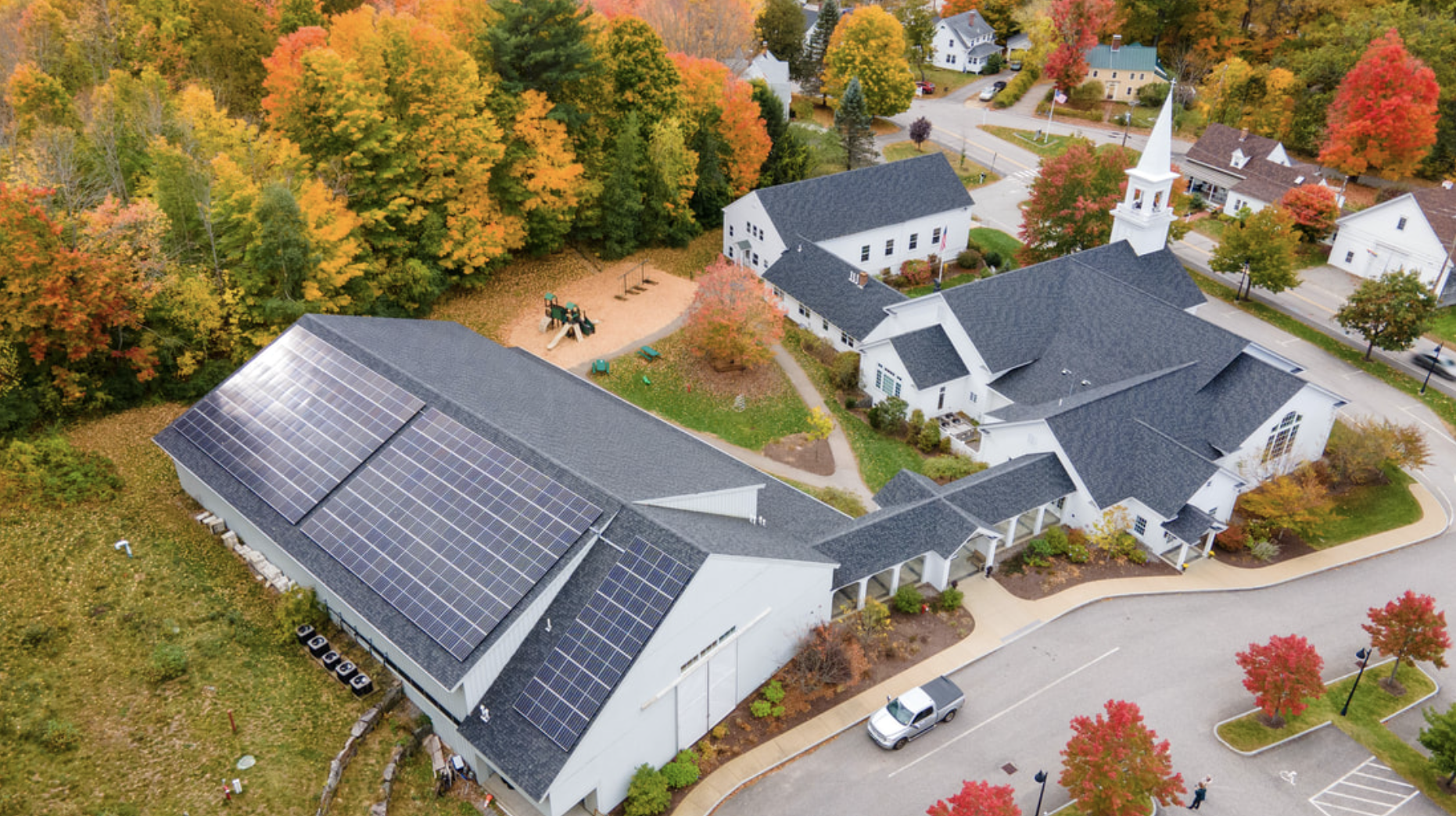
The key characteristics of solar photovoltaic systems and what makes a building a good fit.

