Everything your congregation needs to know about going solar.
.png)


Massachusetts is home to more houses of worship with solar panels than any state in the country except California. Yours could be next. If your community has been wondering whether solar is realistic for a building like yours, the answer is almost certainly yes. Congregations tend to own the kind of buildings solar installers look for — large, simple roofs with decades of useful life still ahead of them — and they plan in the long time horizons that make solar a valuable investment. MassIPL has helped more than 70 churches, synagogues, and other houses of worship across Massachusetts go solar. We can almost certainly help yours.
For congregations that own their systems outright, installations in Massachusetts typically reduce electric bills by 70 to 100% — often tens of thousands of dollars a year redirected from utility bills into ministry. The state's SMART 3.0 program layers a per-kilowatt-hour incentive on top of those savings for ten years, with adders that frequently favor houses of worship. Net metering credits your bill for the power your panels produce on sunny weekdays when sanctuaries are empty. None of this requires anyone in the congregation to become an expert — but it does require starting a conversation with someone who is.
For most of solar's history, federal tax credits excluded nonprofits, since you can't credit a tax bill that doesn't exist. The Inflation Reduction Act changed that. Through Direct Pay (also called Elective Pay), tax-exempt organizations can now receive the 30% federal Investment Tax Credit as a cash payment from the IRS. On a $200,000 system, that's roughly $60,000 back.
The 2025 federal budget bill accelerated the sunset of that credit considerably. Contracted projects for which a deposit has been made by July 4, 2026 can lock in eligibility through a "safe harbor" pathway and have up to four years to complete installation. Projects that miss that window face a tighter deadline of being fully operational by the end of 2027, after which the federal credit is effectively gone for new projects.
Purchasing and owning the system outright — through a capital campaign, reserves, or a green loan — produces the strongest long-term economics by a wide margin, and is the scenario behind the 70–100% bill reduction figures above. Several Massachusetts lenders now offer clean-energy loans where the monthly payment is less than the electric bill the system replaces. A Power Purchase Agreement is a different model entirely: there is no cost to the congregation, a developer owns the system on your roof, and your congregation buys the electricity it produces at a fixed, usually below-market rate. Savings are real but more modest — typically 10 to 20% — but with the project funded by the developer,they enjoy a greater benefit from the long-term economics. Neither approach is wrong; they are different choices for different situations.
Members of our MassIPL leadership team are happy to walk you through the process of going solar. Our leaders serve as technical advisors and trusted, impartial guides, with the goal of assisting you and advancing the green energy transition here in Massachusetts. We are not installers, so our recommendations are based on what makes the most sense for your building and your community. As a coalition of more than 250 Massachusetts congregations, we have walked this road many times and know who to call. We can help your property committee make sense of the incentives, recommend vetted developers and financiers who genuinely understand houses of worship, and work through the questions every congregation eventually asks.
If your congregation is starting to ask whether solar might be possible, send us a note. Email solar@massipl.org or reach out through our contact page. We'll start with the easy questions and work toward the harder ones from there.
Want to go deeper? Read this article from MassIPL Executive Committee member Alan Sherman, called 6 Common Reasons Organizations Delay Going Solar (and How to Overcome Them).
.jpg)
.jpg)
.jpg)
%20(Large).jpg)
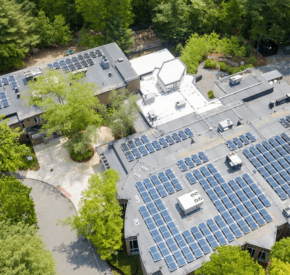

See how houses of worship across Massachusetts are cutting emissions, costs, and carbon footprints.
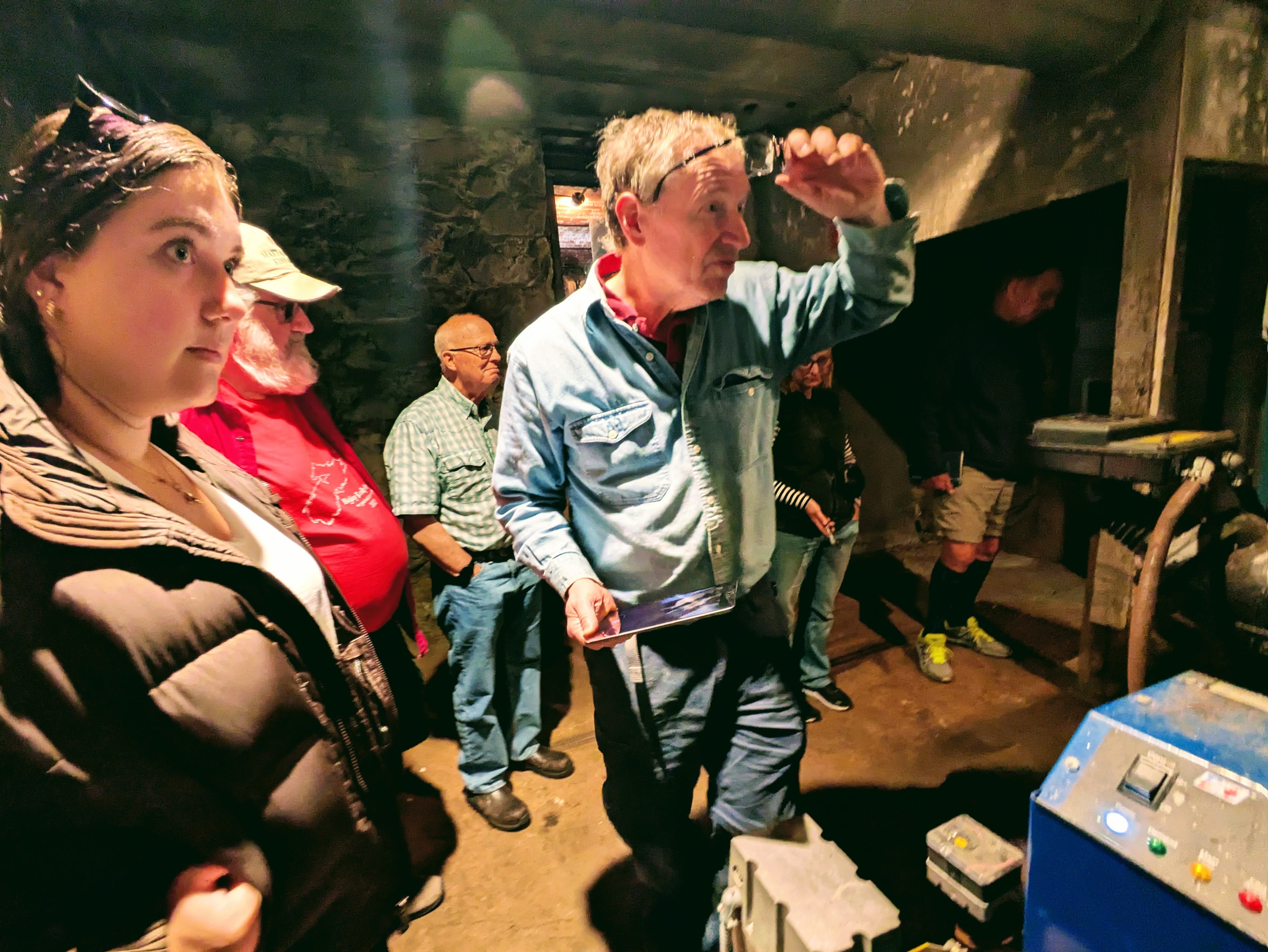
Learn how an Environmental Stewardship Assessment can help your congregation change the environmental impact of your physical building and live out your values at the same time.