Learn how an Environmental Stewardship Assessment can help your congregation change the environmental impact of your physical building and live out your values at the same time.
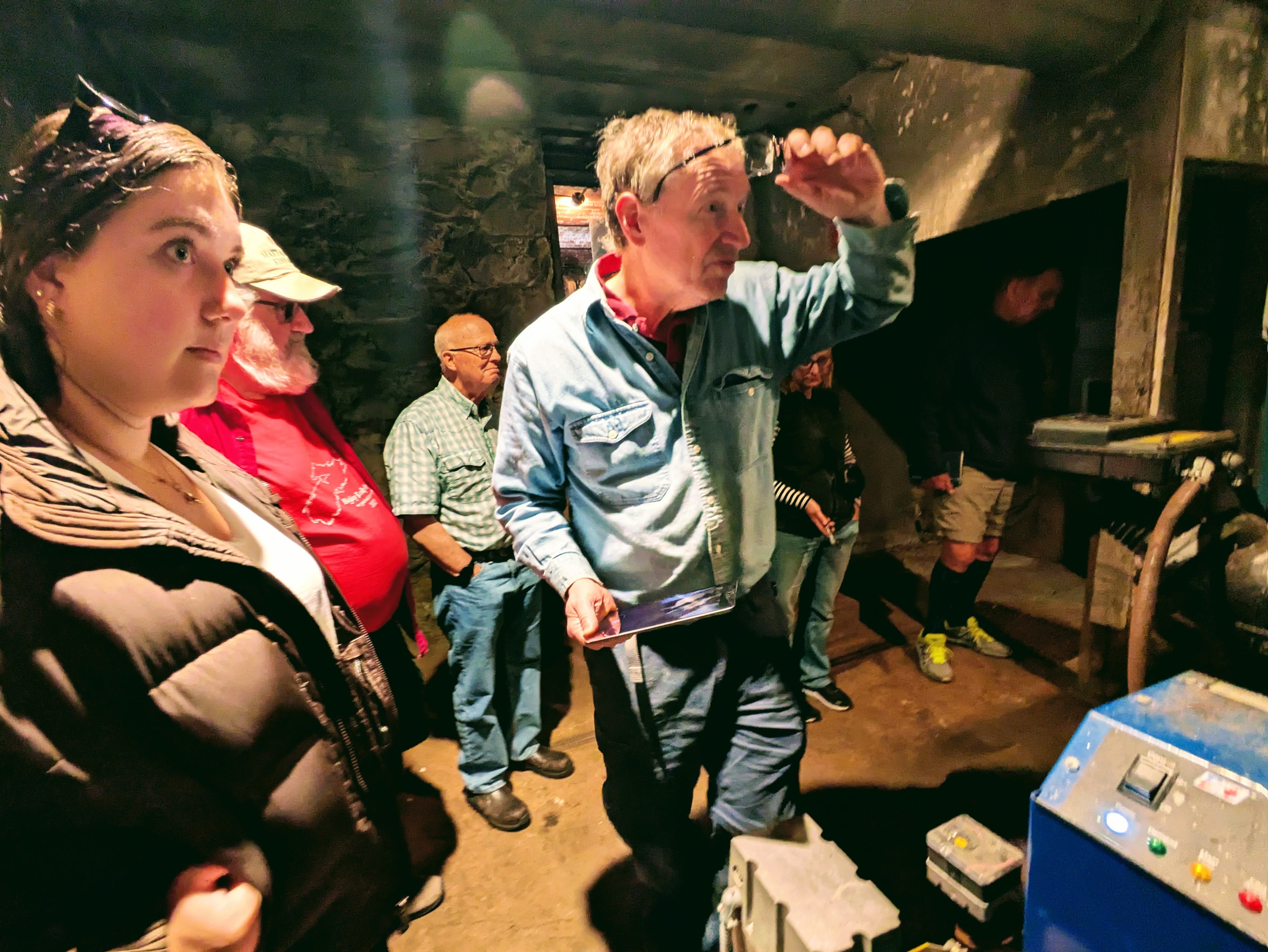


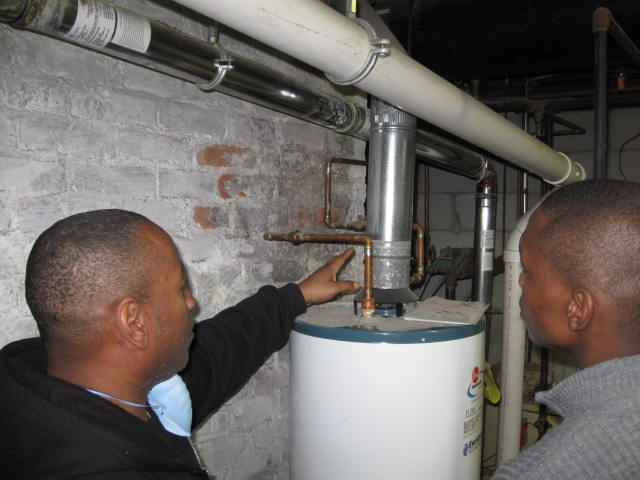
Most of what a house of worship asks of itself happens above ground: in the sanctuary, the social hall, the parking lot, or at coffee hour. The boiler room is the part of the building most people never see, even people who've been attending for thirty years. It is, however, where most of the carbon comes from. If we want our houses of worship to reflect the values of the communities that worship within them, we often need to take a “pilgrimage to the boiler room,” and begin to consider the environmental impact of how we heat, cool, and power our buildings.
However, getting a sense of the energy use of a house of worship isn't easy. They are unique buildings with particular challenges. Often, houses of worship have intermittent occupancy, large sanctuaries and meeting rooms, historic architecture that resists standard retrofits, strong congregational feelings about the windows and other features, and budgets governed by committee. A standard commercial energy audit treats them like small office buildings, which they're not.
Over the years, our MassIPL leadership team has developed our own version of an energy audit for houses of worship. We call it an “Environmental Stewardship Assessment” (ESA). We've done almost 300 of these since the program started more than two decades ago. Our team has looked at everything from colonial meetinghouses to 1960s brick-and-glass mid-century moderns. Over the years, we've developed an assessment that is tailor-made for houses of worship here in New England, written by people who have been through this process with their own faith communities, and assisted in the process with countless others.
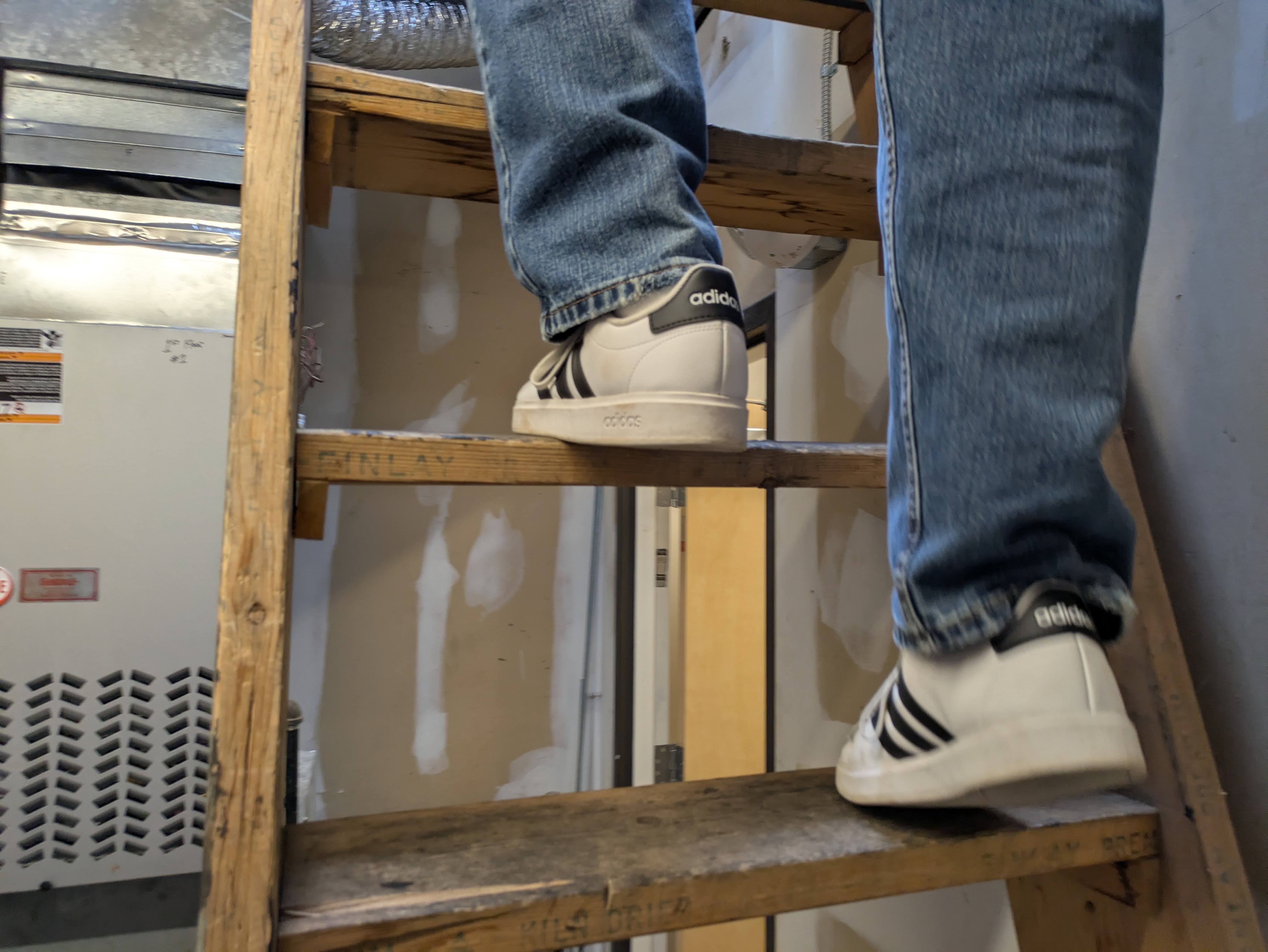
The ESA is for the person at your congregation — perhaps the property committee chair, the buildings-and-grounds volunteer, the clergyperson who understands the connection between sustainability and mission — who keeps asking, "What should we actually do first?" Before you start in on solar panels, heat pumps, or a major capital campaign, you need to know how your facilities use and conserve energy. Members of our MassIPL leadership team will come to your building and investigate all the ways your building creates and uses energy, from the attic to the basement. We’ll send back a report telling you what your building is doing well, what it's doing badly, and what's worth your attention first.
By industry standards, the report sits between an ASHRAE Level 1 and Level 2 audit. We find that it’s the right level of detail for a congregation deciding what to do next.
Before we visit, you'll fill out a short questionnaire and send us 12-24 months of utility bills. From those we calculate your building's energy use intensity (EUI) — a single number that tells us a lot before we've walked through the door.
The site visit runs two to three hours. We walk the whole building and work with you on our 24 Questions, a framework we've refined over two decades. It organizes a building's energy story into four domains:
The report typically arrives a few weeks later. It scores each of the above areas, identifies major findings, and lists recommendations in priority order. It also separates next steps into no-cost behavioral changes, lower-cost immediate improvements, and larger capital projects. Most reports come with a follow-up call to walk through the findings, and we're happy to answer questions from your board, vestry, or property committee.
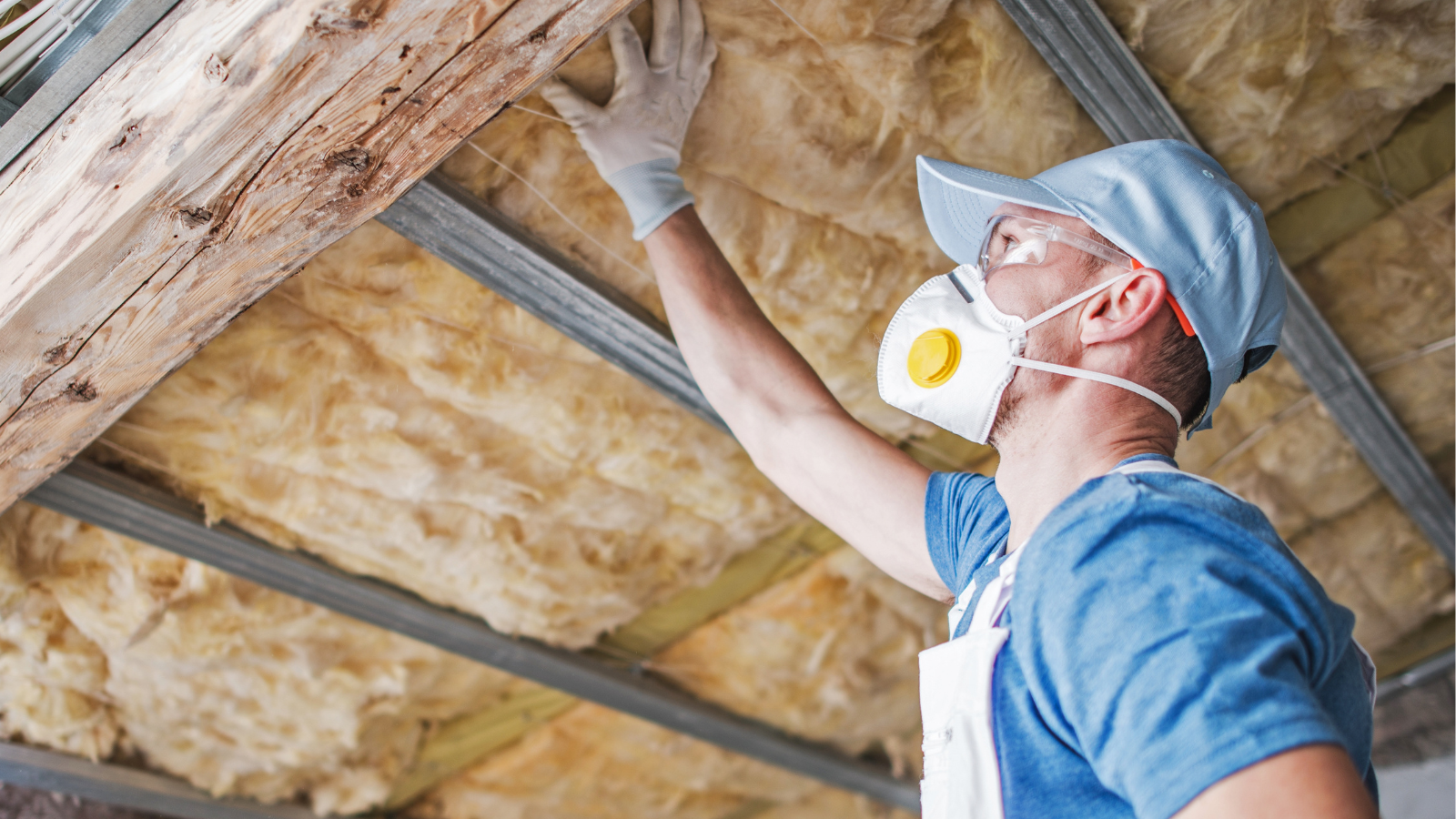
A few patterns show up in almost every assessment. Sometimes, thermostats are heating empty buildings most of the week because nobody has touched the schedule since 2015. In other cases, attics are dramatically under-nsulated, sending money straight through the roof and carbon into the air (sealing and insulating up there is the single highest return on investment available to most congregations). Knowing that the boiler is on life support allows you to plan a sustainable replacement on your terms instead of scrambling when it fails in February.
The ESA puts all this and more on the page for you to thoughtfully work through.
We offer ESAs on a sliding-scale basis, depending on your operating budget:
For context: a single month of heating oil for a typical New England church runs $1,200–$2,500. The report routinely identifies actions that pay back the cost of the assessment within one heating season. If the sliding scale fee is a barrier, please tell us. We are a mission-driven nonprofit and are happy to work with you.
If you've had an ESA before, we also offer a Zero Carbon Assessment Update focused on Massachusetts' statutory targets (50% reduction by 2030, net zero by 2050), offered on the same sliding-scale basis.
When you're ready to get started, please email esa@massipl.org. We'll send the intake form, find a site visit date, and go from there. You do not have to be a MassIPL member congregation to request an ESA.
As well, a few things help the process go smoothly:
The ESA comes with recommendations for specific actions you can take — some big, some small. But we find that many congregations that act on the recommendations cut their emissions — and their energy bills — by up to 50%. It makes a real difference for your congregation and our climate.
If your congregation is interested in an ESA, please contact us at esa@massipl.org. We'd love to hear from you!
The first and biggest improvement most buildings can make to lower bills, get better comfort, and reduce climate pollution.
.png)
Everything your congregation needs to know about going solar.